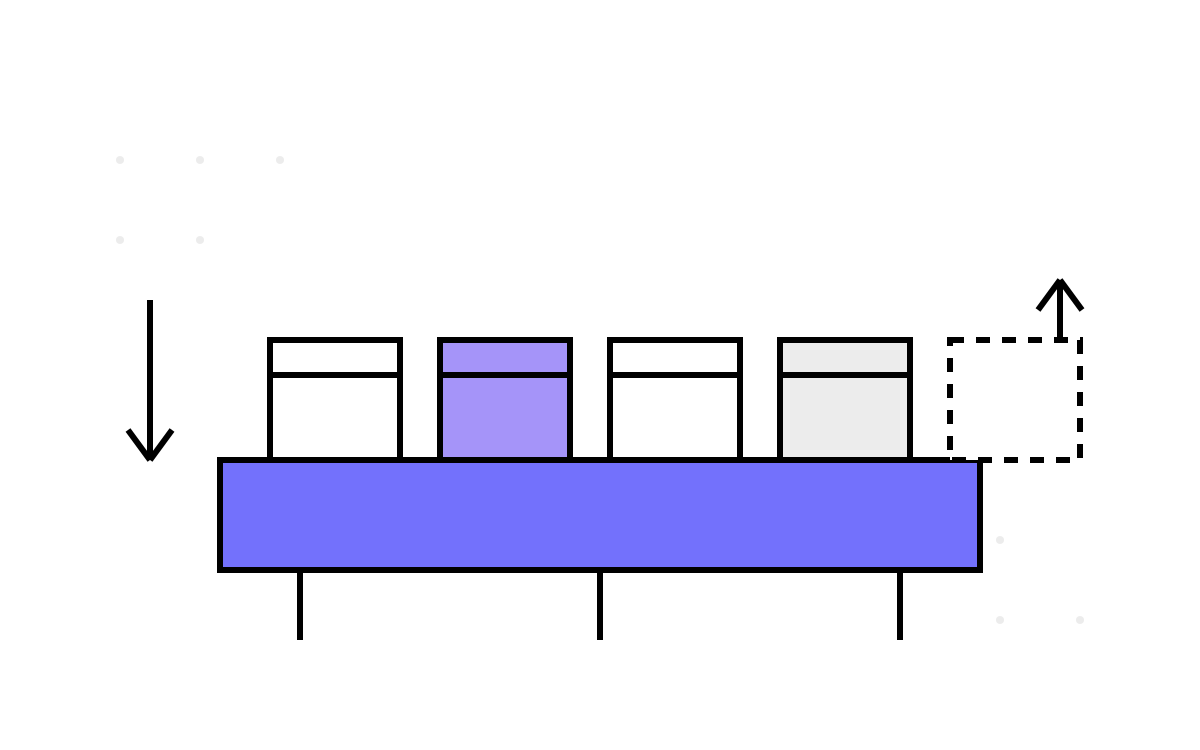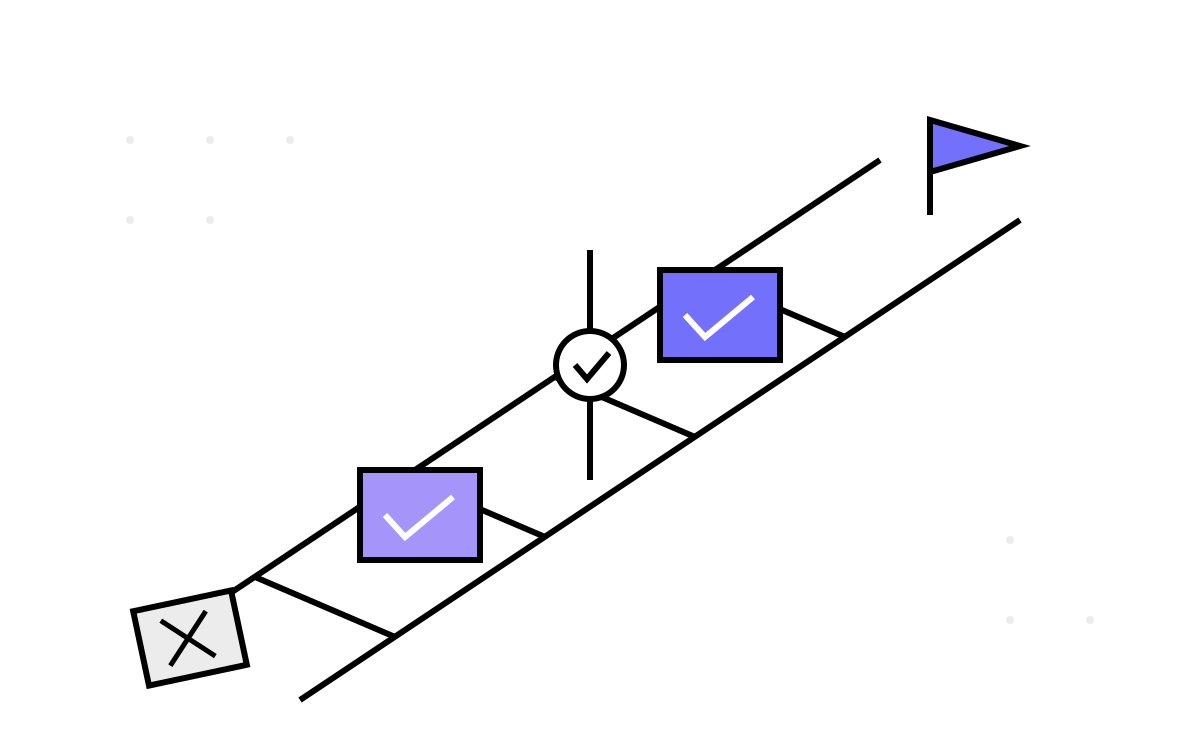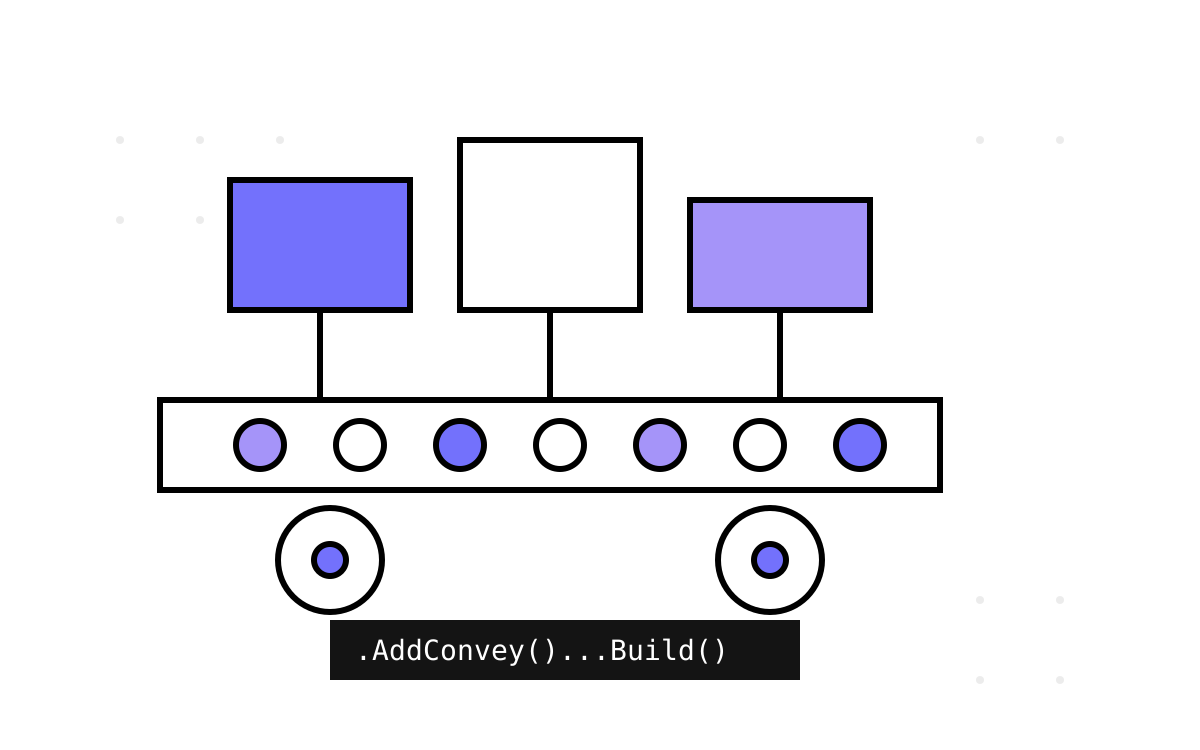
One Builder, Thirty Packages: Inside IConveyBuilder
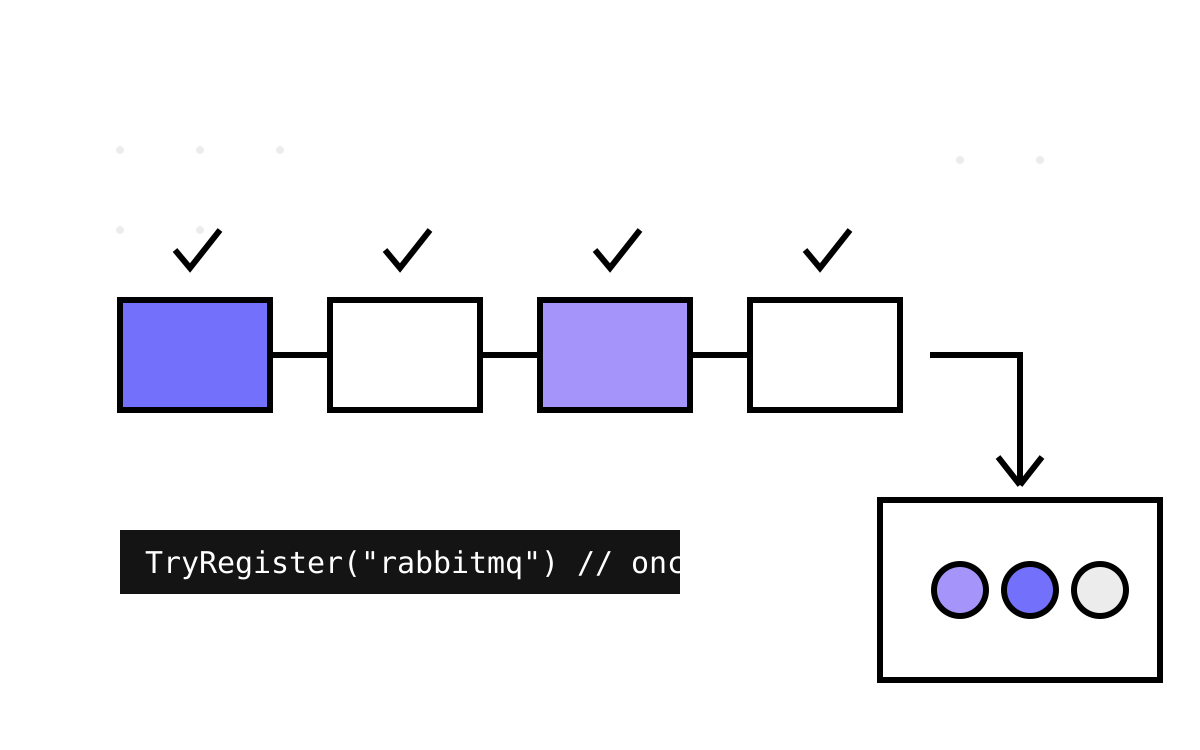
The hundred lines of code that let an entire microservices toolkit compose from one fluent chain — a named registry, a list of build actions, and two hard lessons about doing work at startup.
Newest first, grouped by year. Search or filter by topic.
The hundred lines of code that let an entire microservices toolkit compose from one fluent chain — a named registry, a list of build actions, and two hard lessons about doing work at startup.
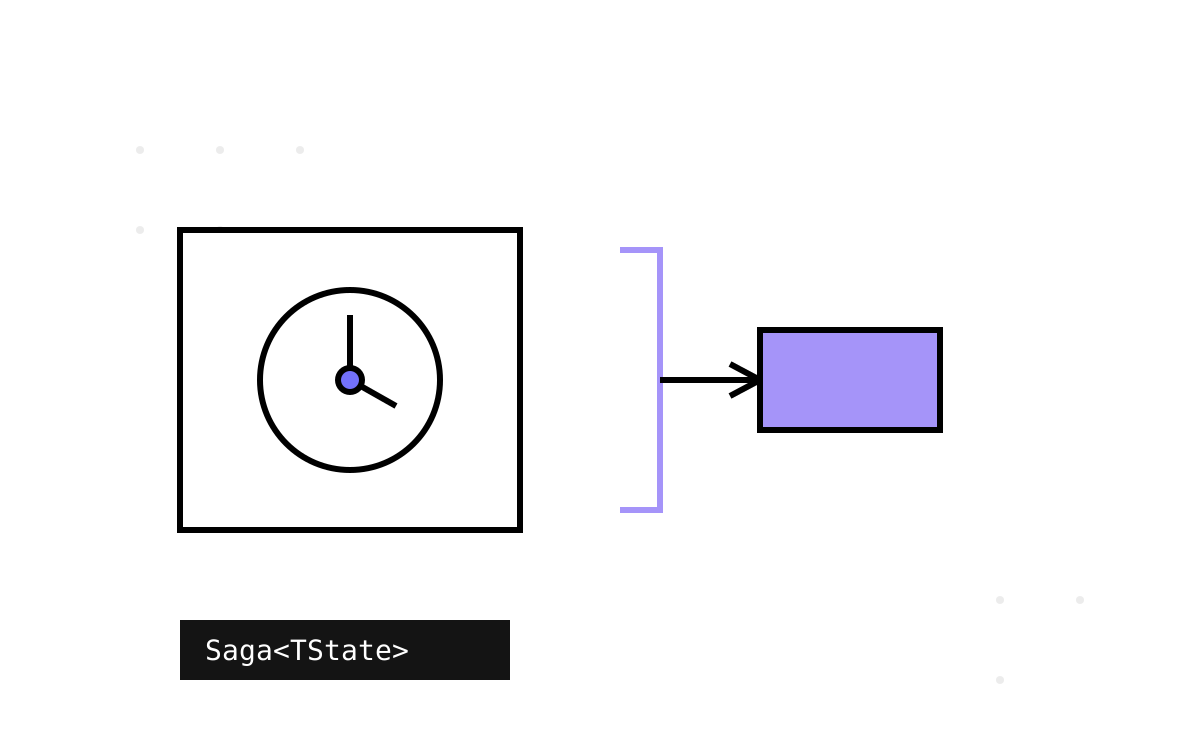
A stateful DShop saga remembers when a customer signed up and grants a discount only if their first order lands within 24 hours - a genuinely stateful process manager whose reward turns out to be a Console.WriteLine. Part 7 of Nine Services and a Message Bus.
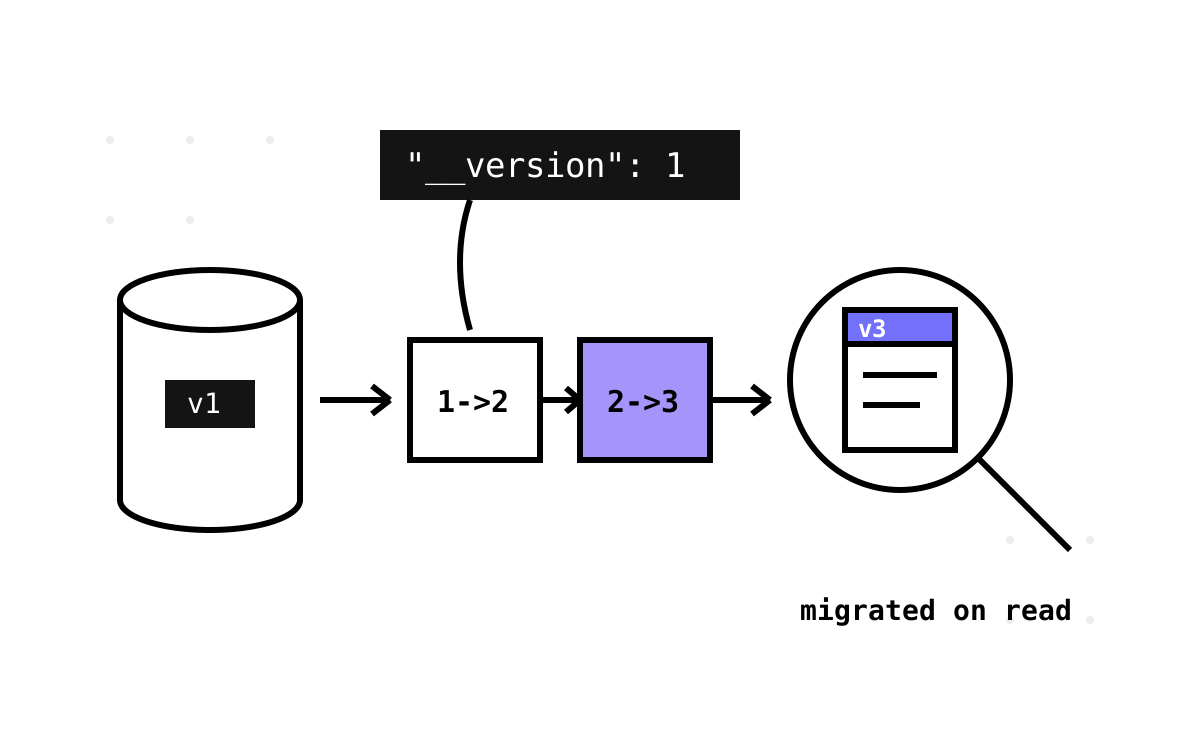
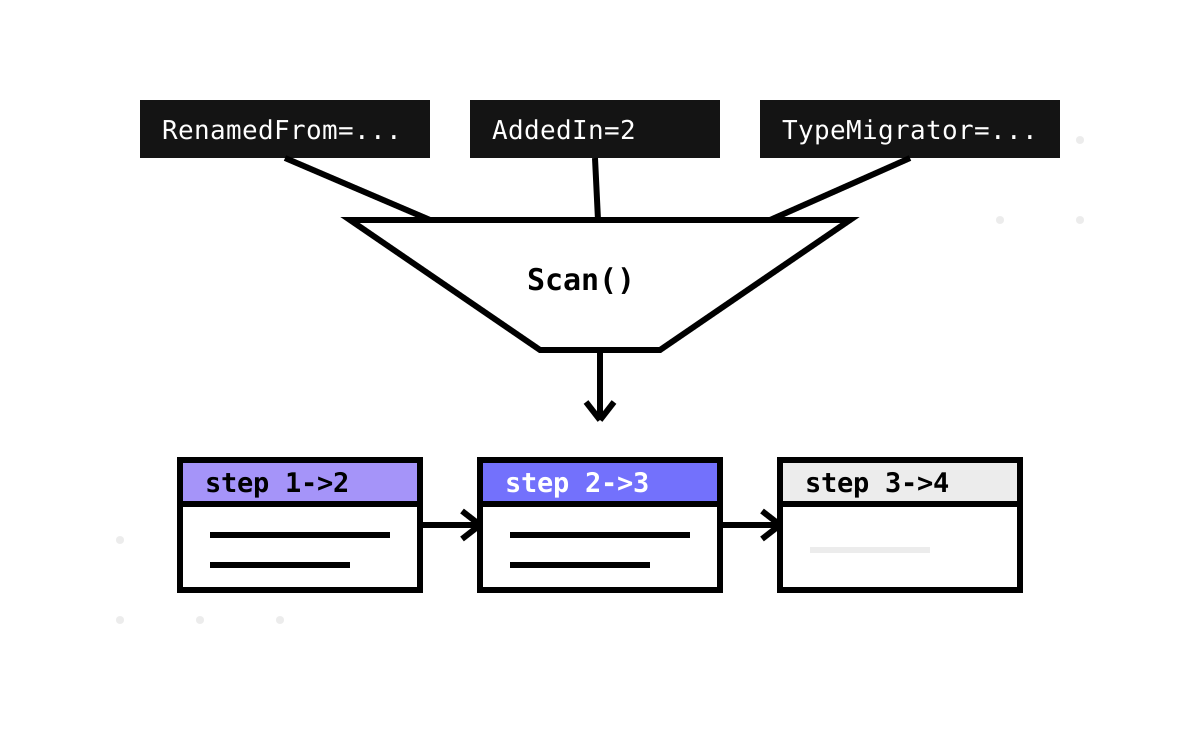
Every stored payload carries a __version stamp; every read walks it up one step at a time. This part dissects VersionKit's lazy migration pipeline - the MigrationRunner API, the JsonElement traps System.Text.Json sets for dictionary code, and reading history on purpose. Part 4 of the Entity Versioning with VersionKit series.
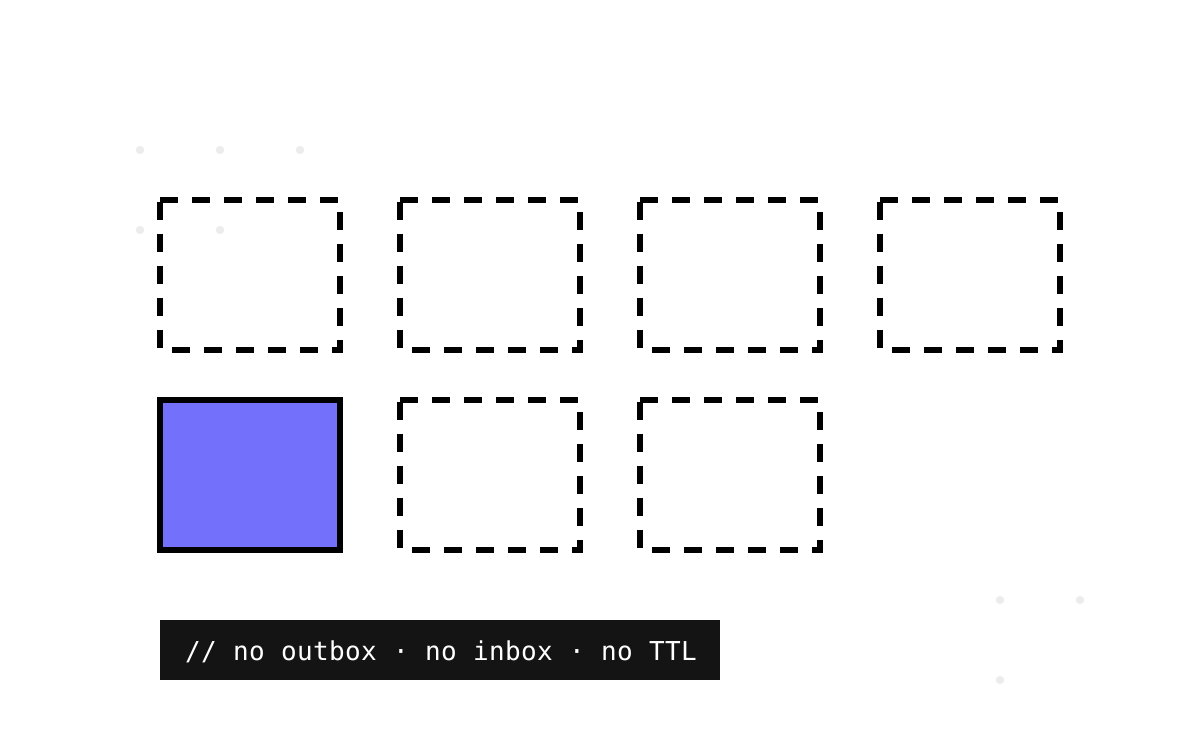
An audit of the messaging patterns DShop.Common leaves out - no outbox, no inbox, no consumed dead-letter - and how each absence became a Convey package.
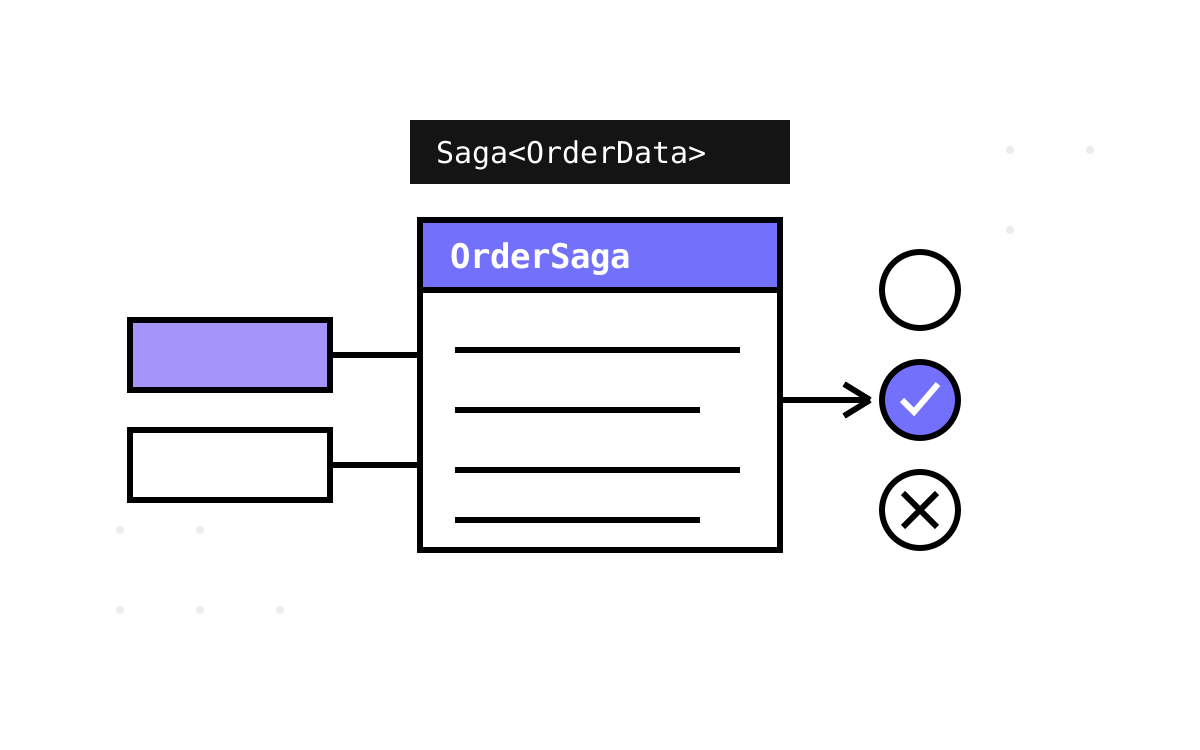
Chronicle's entire programming model is Saga<TData>, ISagaStartAction, and ISagaAction. Building a full order-fulfilment saga to learn what Complete() promises, what Reject() actually does, and why a saga can have more than one beginning.
DShop's gateway reads over HTTP and writes over a message bus - two dispatch mechanisms behind one controller. Reading it shows how a gateway can be a router and a publisher at the same time.
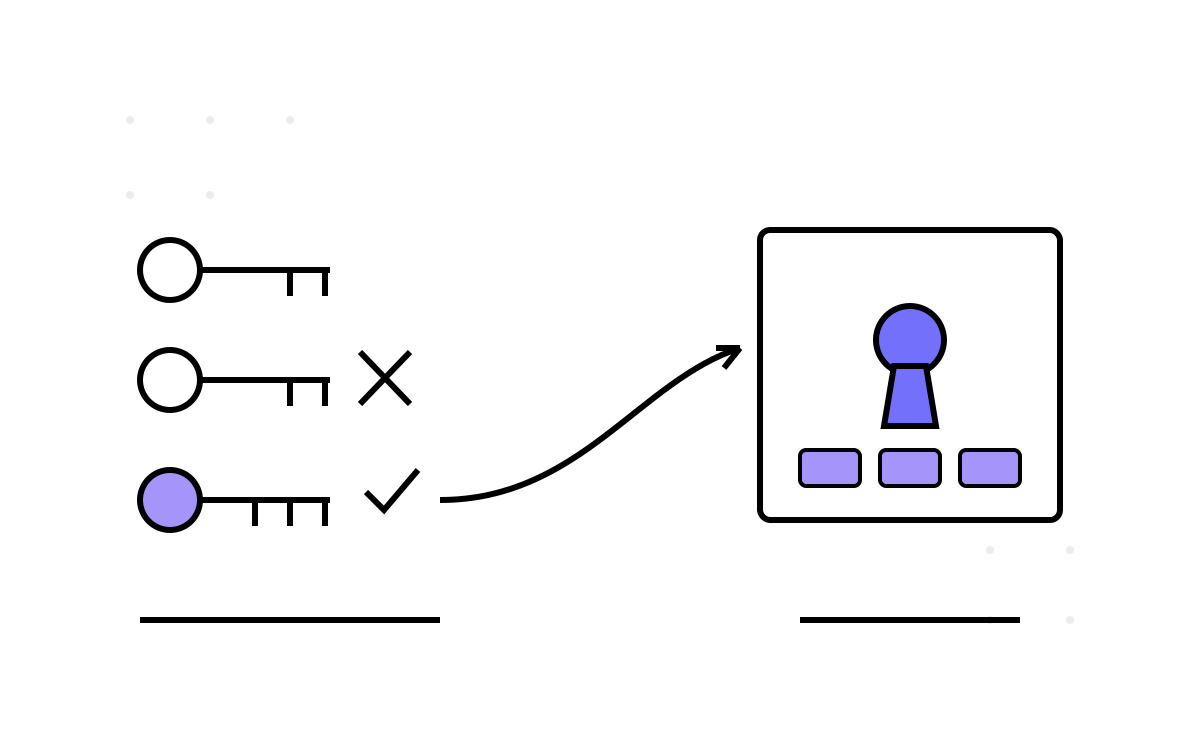
The smallest module in the catalog teaches the two biggest lessons: strict lookups that refuse to pass null downstream, and shared plans as standalone stacks that dozens of apps reference by nothing but a name.
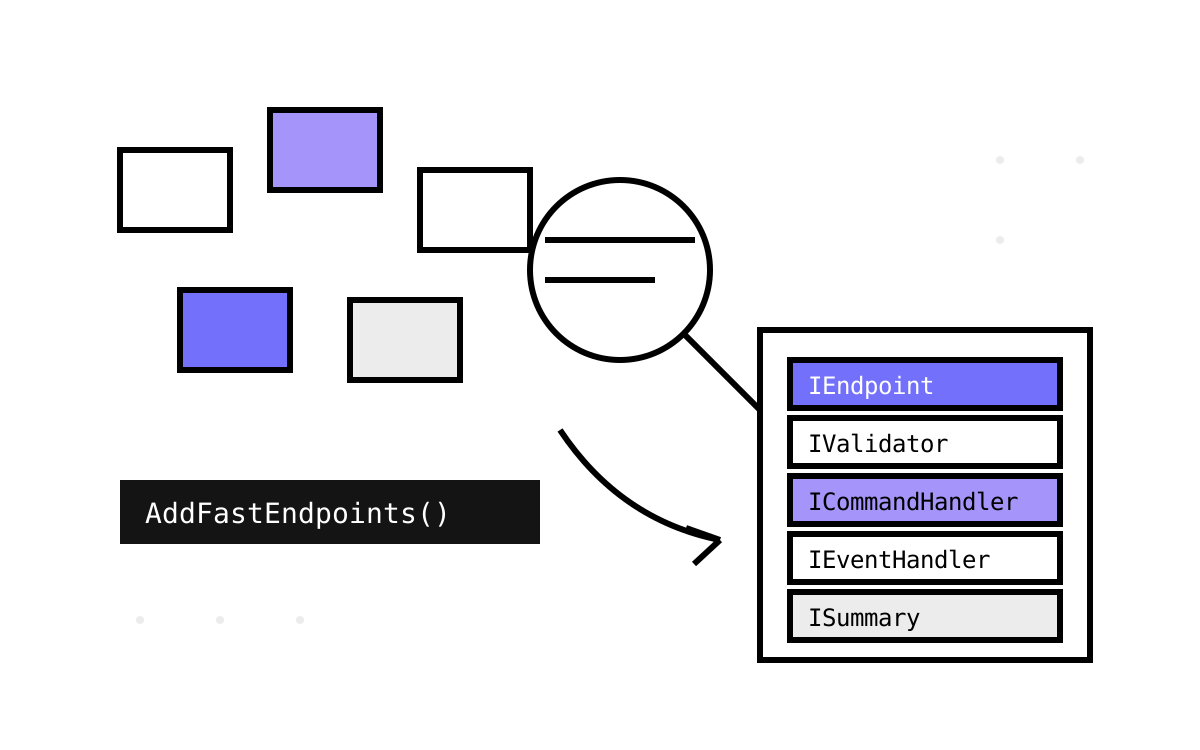
AddFastEndpoints never asks you to register an endpoint. Reading the discovery code shows how a reflection scan over five interfaces becomes a validated endpoint catalogue - and which mistakes it turns into startup crashes on purpose. Part 2 of FastEndpoints in Depth.
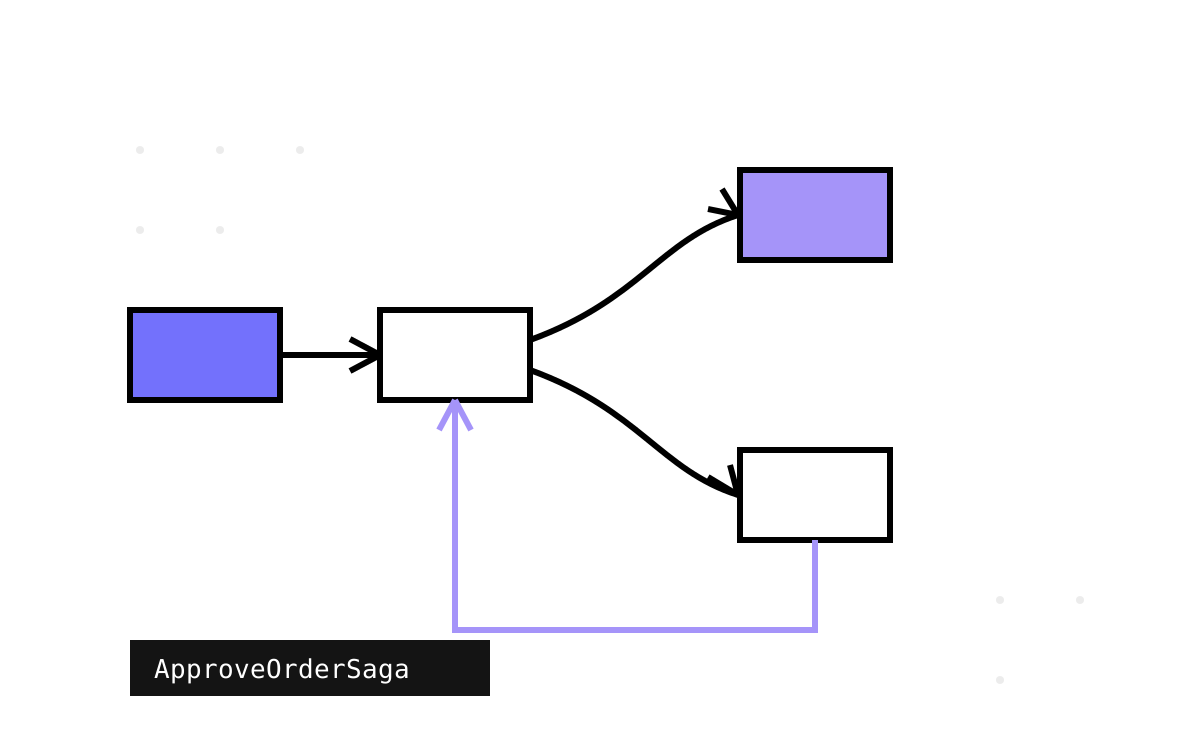
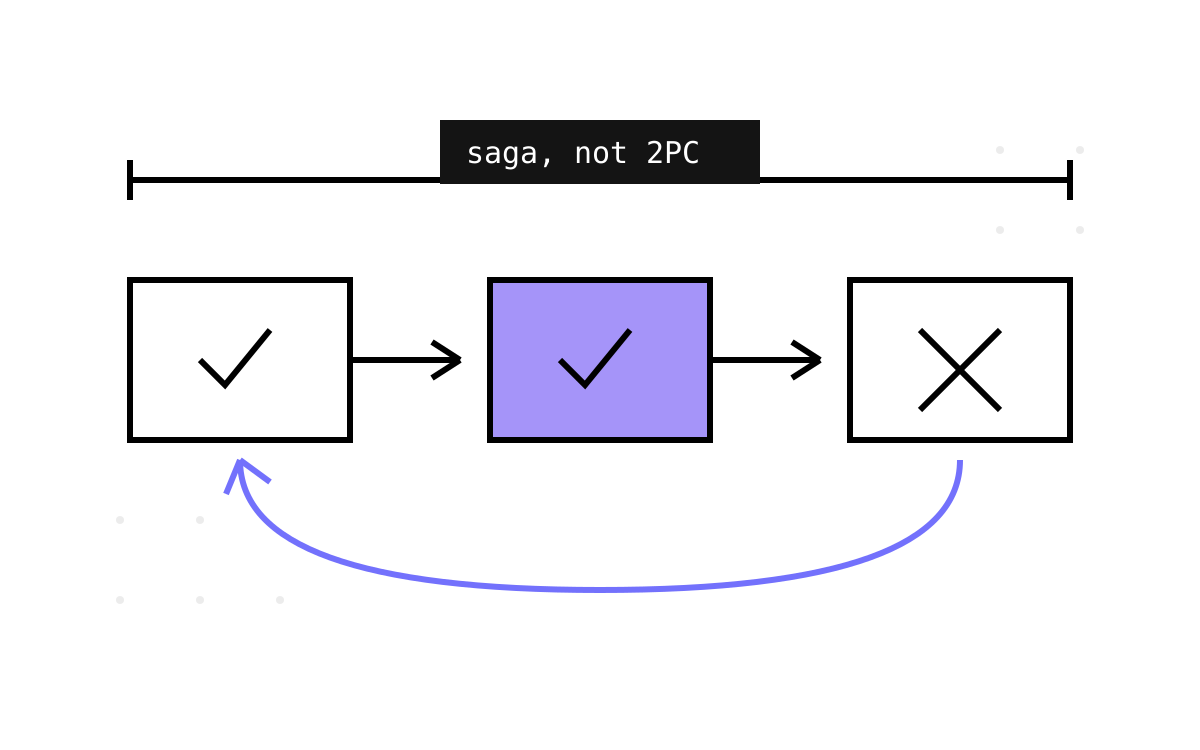
Operations drives an order from created to approved across three services, and rolls it back when a step fails - a textbook process manager with compensation, read from the real Chronicle-backed source. Part 6 of Nine Services and a Message Bus.
You built schema-aware migrations, provisioned tenant A, and everything worked. Tenant B provisions without a single error — and gets no tables. EF Core's model cache is the silent culprit, and IModelCacheKeyFactory is the three-field fix.
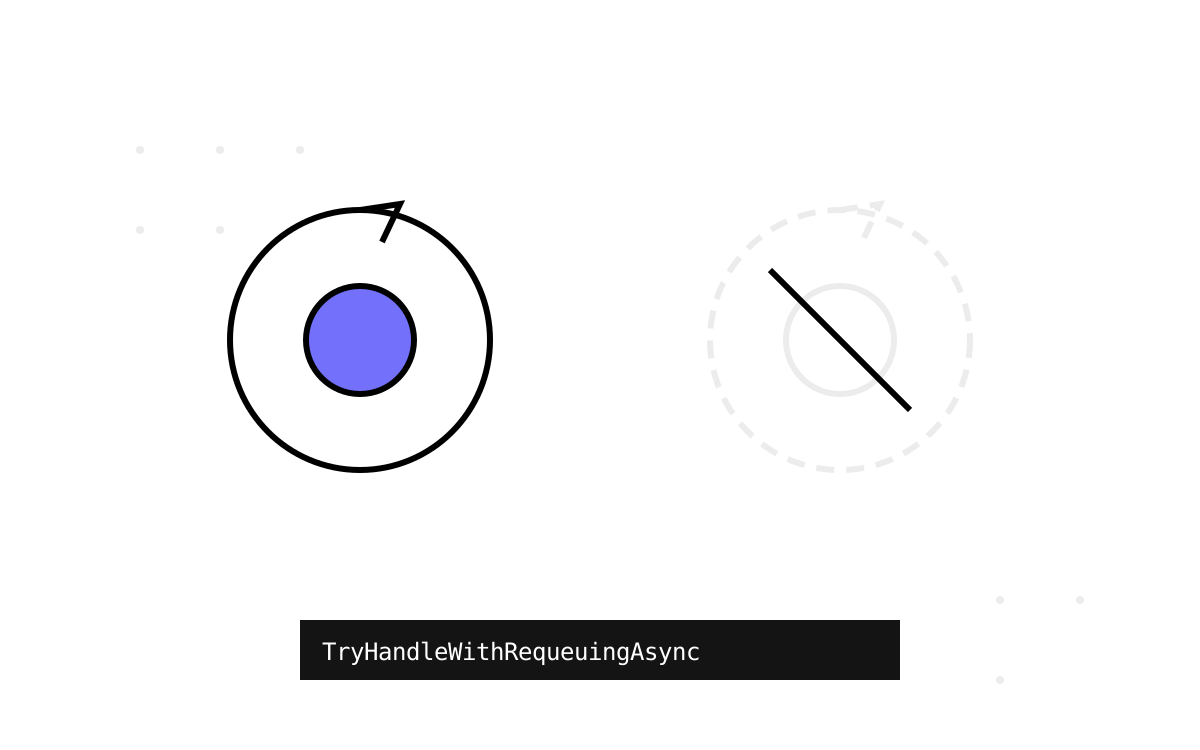
A complete broker-requeue retry implementation sits in DShop.Common's subscriber, fully written and never called - and its comment explains exactly why.
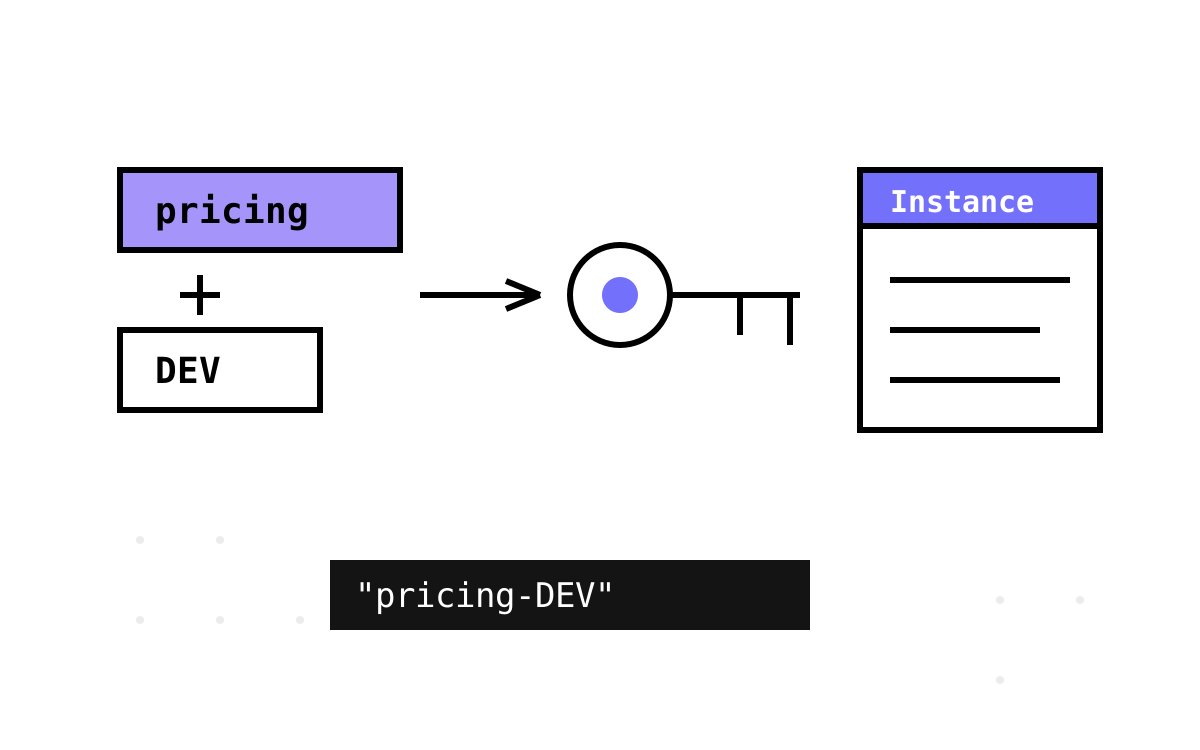
The resolution path of a Key Vault-backed discovery client - three fail-fast environment variables, DefaultAzureCredential with a user-assigned managed identity, a name composed as service-plus-environment, a tolerant JSON parser, and a process-lifetime cache with a bug I shipped and honest trade-offs I chose. Part 2 of Service Discovery Without a Service Mesh.
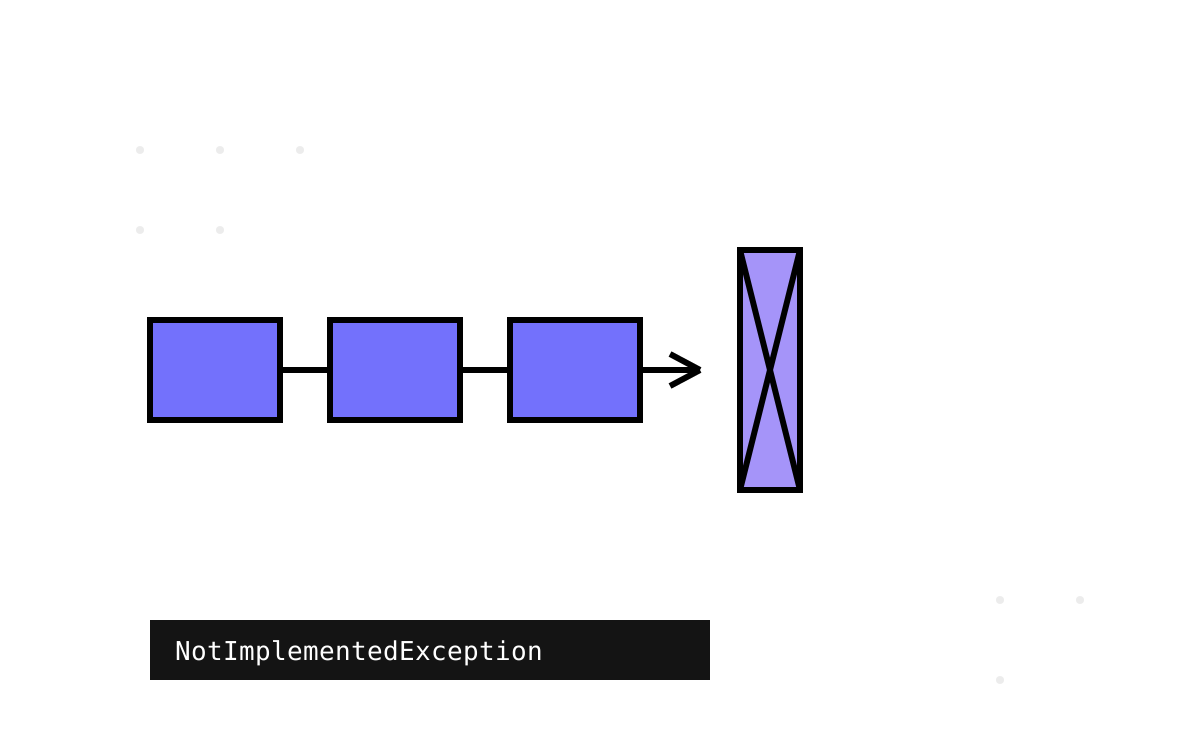
The DShop monolith was abandoned with a NotImplementedException sitting directly in the order path. Reading its honest ledger is a masterclass in what an unfinished codebase confesses about itself.
Two generations of Terraform pipeline in one Azure estate - manual parameterized plan-and-apply consoles beside gated plan-artifact promotion - and why applying the exact plan you approved is the rung that matters. Part 4 of the Terraform on Azure series.
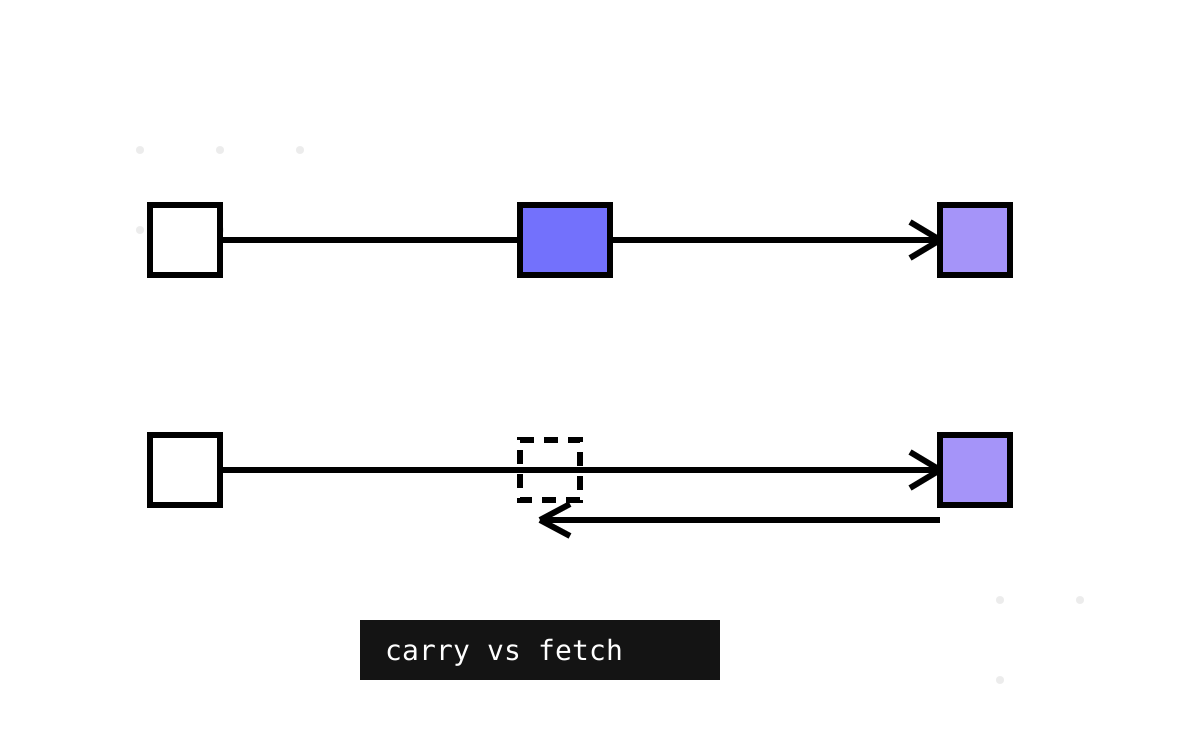
DShop moves data between services two opposite ways - one rebuilds a local replica from the event payload, the other treats the event as a doorbell and fetches over HTTP - and the estate runs both at once. Part 5 of Nine Services and a Message Bus.
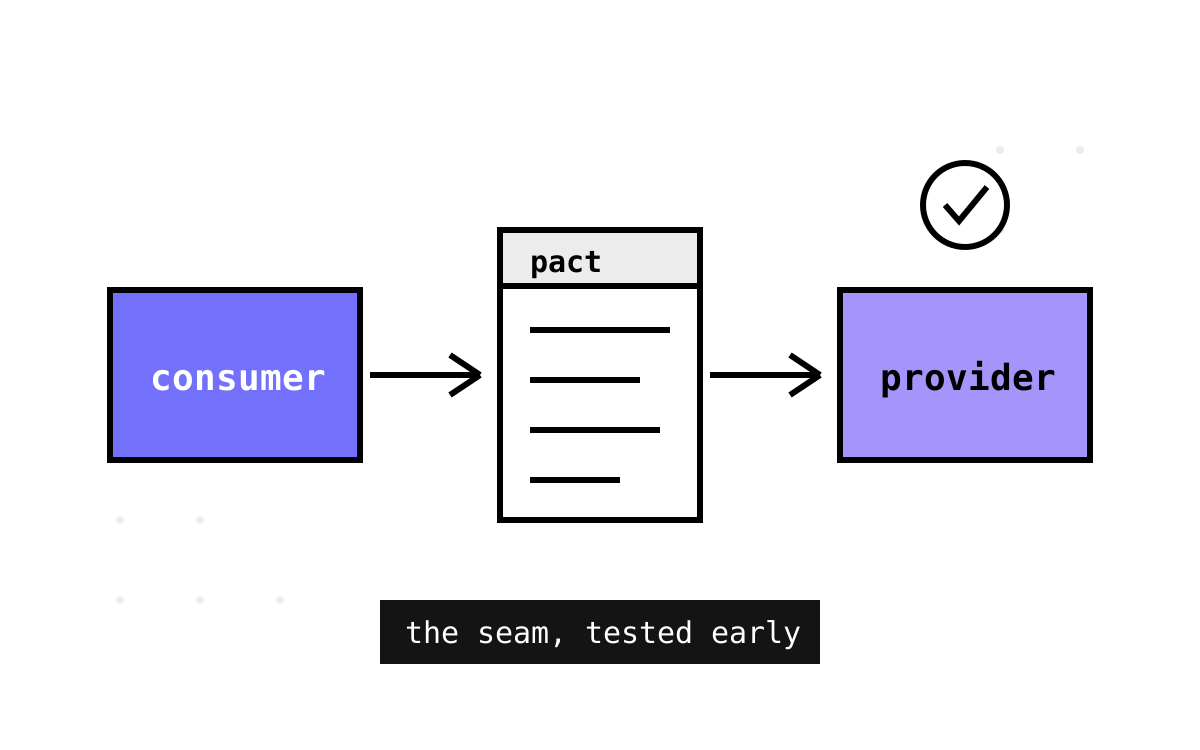
Unit tests mock what you assume, end-to-end tests tell you too late - consumer-driven contract testing closes the gap, and a small open-source .NET library called Pactify is the clearest way I know to learn how it works. Part 1 of a series.
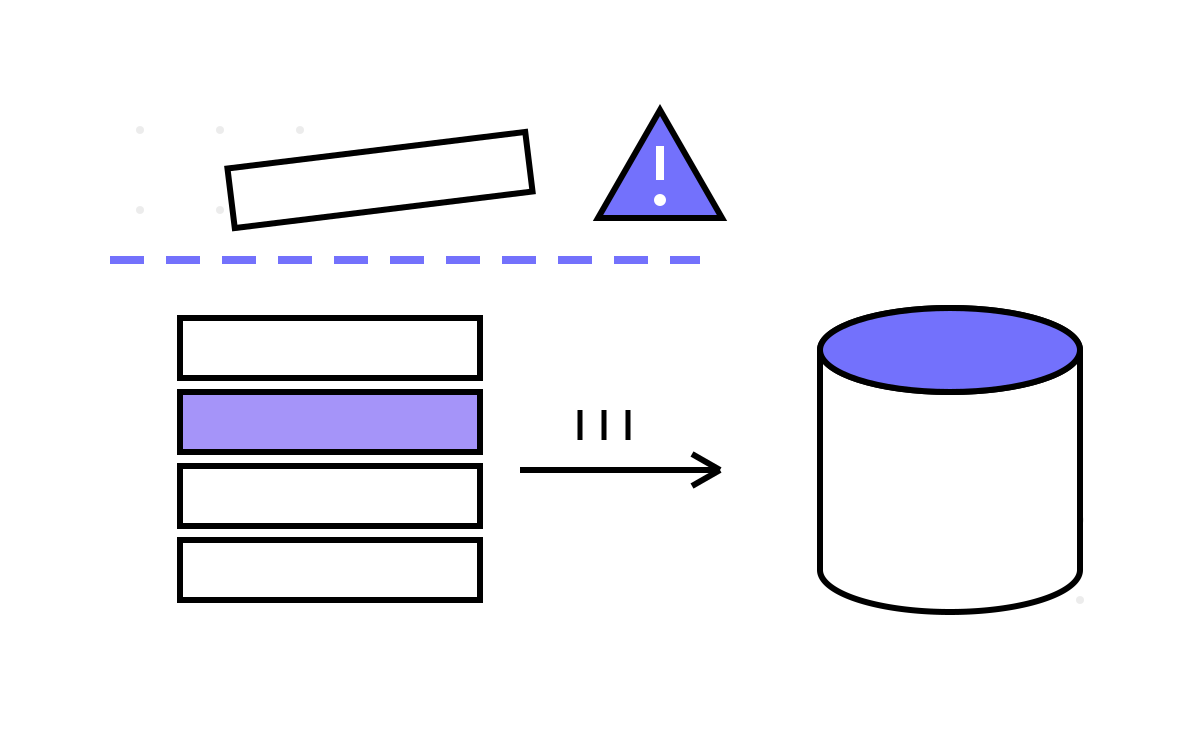
Why ArchiveKit's inline archive limit defaults to exactly 14, how EF Core's MaxBatchSize turns archiving into arithmetic, and an honest inventory of every deletion path the interceptor cannot see - synchronous saves, ExecuteDelete, and raw SQL. Part 3 of the Archive-on-Delete with ArchiveKit series.
DShop.Common decides a message's fate from the type of exception a handler throws - domain failures become events, infrastructure failures get retried.
A guided tour of FeedR, DevMentors' open-source .NET microservices sample for real-time data feeds - six services, Redis pub/sub, Apache Pulsar and a gRPC stream, and the two-tier eventing model that makes it worth reading. Part 1 of a source-level deep dive.
In DShop a customer is born in two steps - a record on sign-up, then a completed profile. Following both across the monolith and the swarm shows how a consistency model quietly rewrites a user flow.
DShop answers the shared-kernel question twice - eight services copy every event contract locally, one references a shared package - and both answers are in the same estate with their real costs on show. Part 4 of Nine Services and a Message Bus.
Every team's fifth microservice ships with the same four hundred lines of bootstrap code as the first four. Opening a deep-dive series on Convey, the open-source .NET toolkit that turned that boilerplate into thirty composable packages.
At startup VersionKit reflects over your model assembly and compiles property attributes into an executable pipeline - one migration step per version pair, five operation types, all of them deliberately idempotent. Part 3 of the Entity Versioning with VersionKit series.
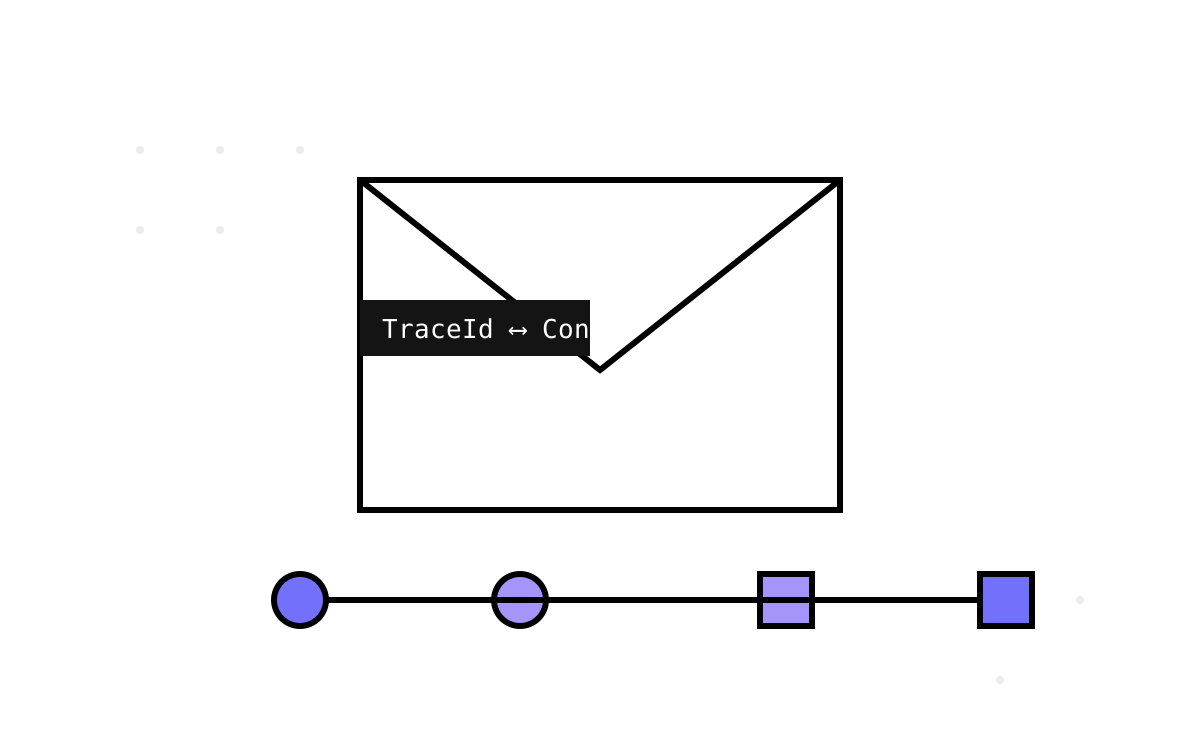
DShop.Common's correlation context threads request identity through every message hop - and a long positional argument list quietly transposes half its fields.
Split one database into five services and the transaction you deleted does not disappear - it goes feral. On sagas, compensation, process managers, and Chronicle, the small open-source .NET library this series reads line by line.