The Reference That Points at Itself
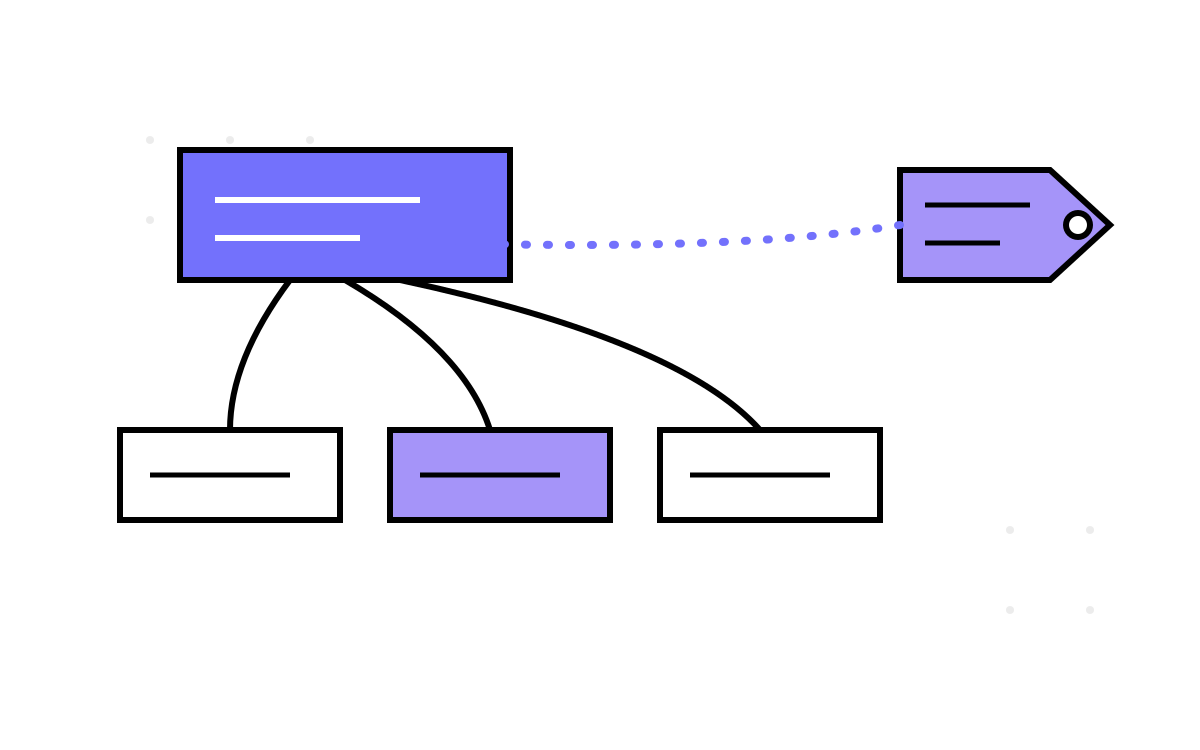
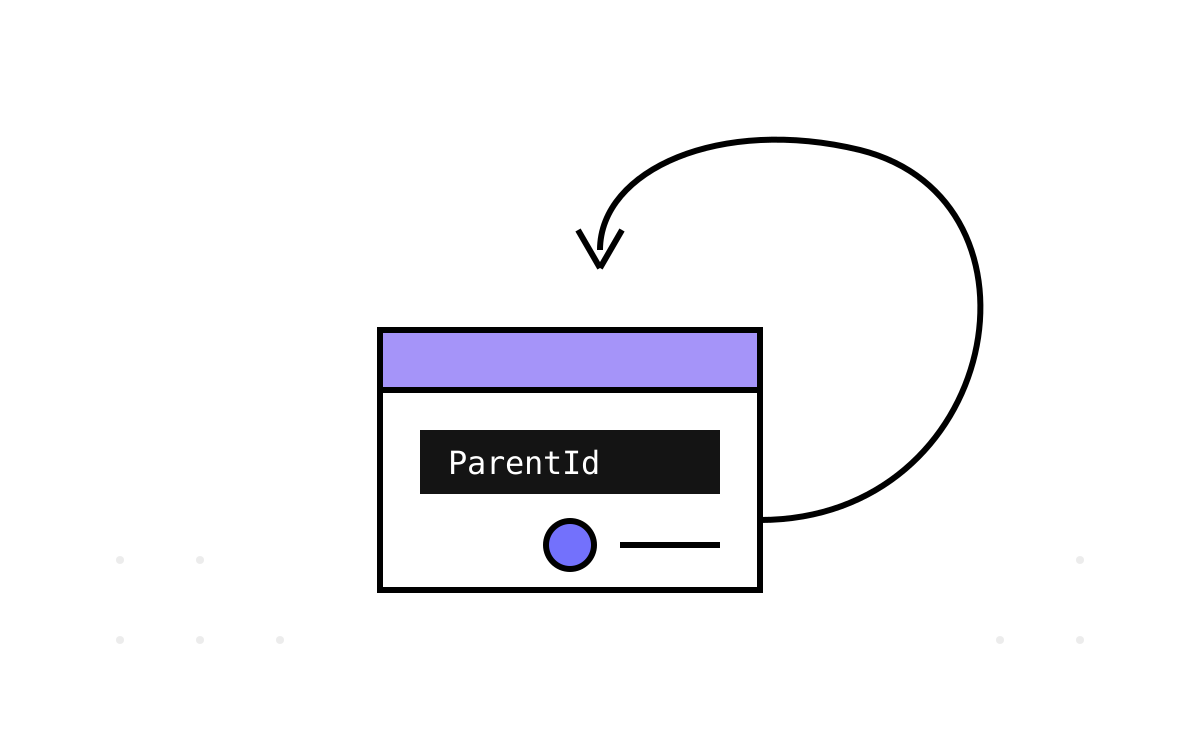
Each half of an Inflow transfer stores a referenceId in its metadata. On both legs that reference is the leg's own id - so the two halves of a transfer cannot be joined from the data they persist.
Newest first, grouped by year. Search or filter by topic.
Each half of an Inflow transfer stores a referenceId in its metadata. On both legs that reference is the leg's own id - so the two halves of a transfer cannot be joined from the data they persist.
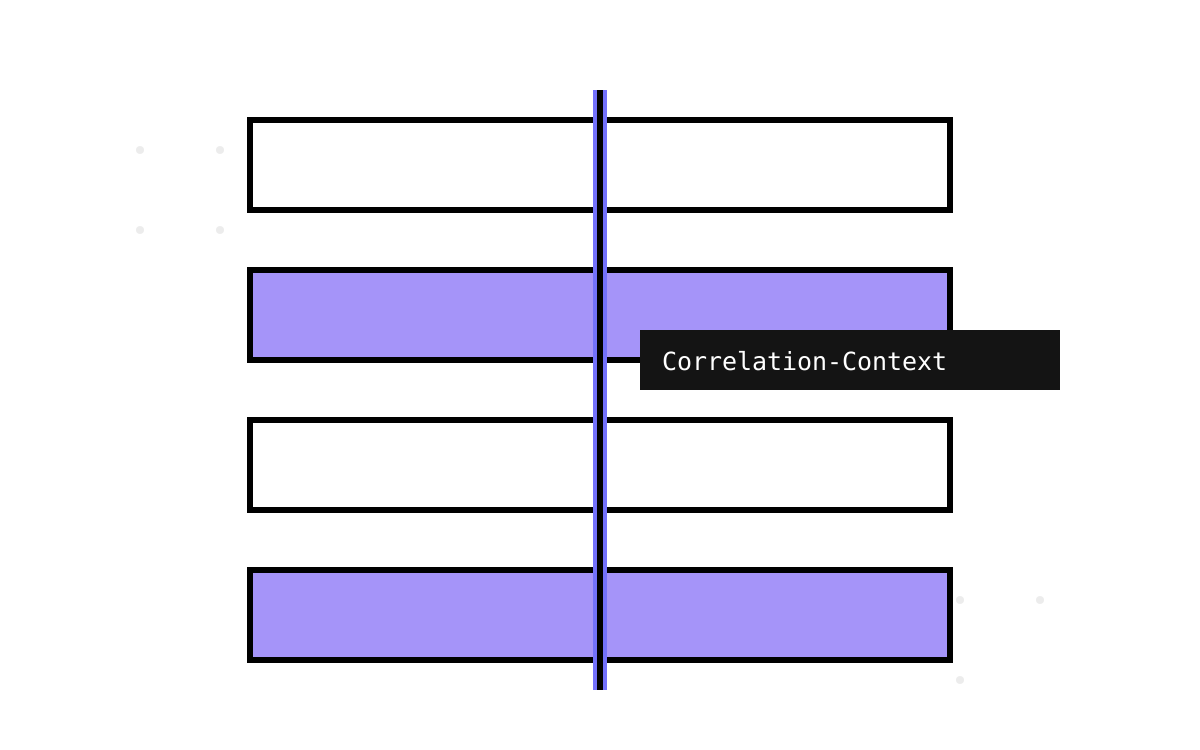
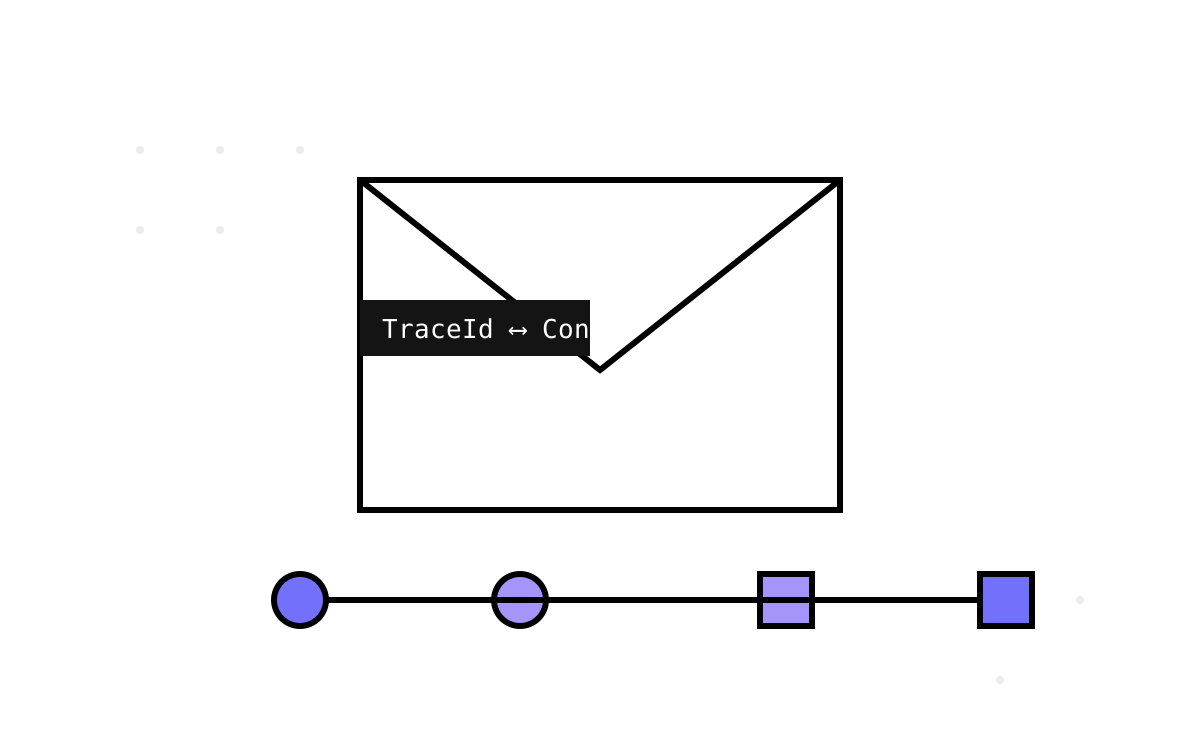
One JSON blob born at Pacco's gateway rides the Correlation-Context HTTP header into services and the message_context AMQP header across the bus, surfacing in SignalR pushes - carried by a class copy-pasted into eleven repos and a broker that forwards exactly one header.
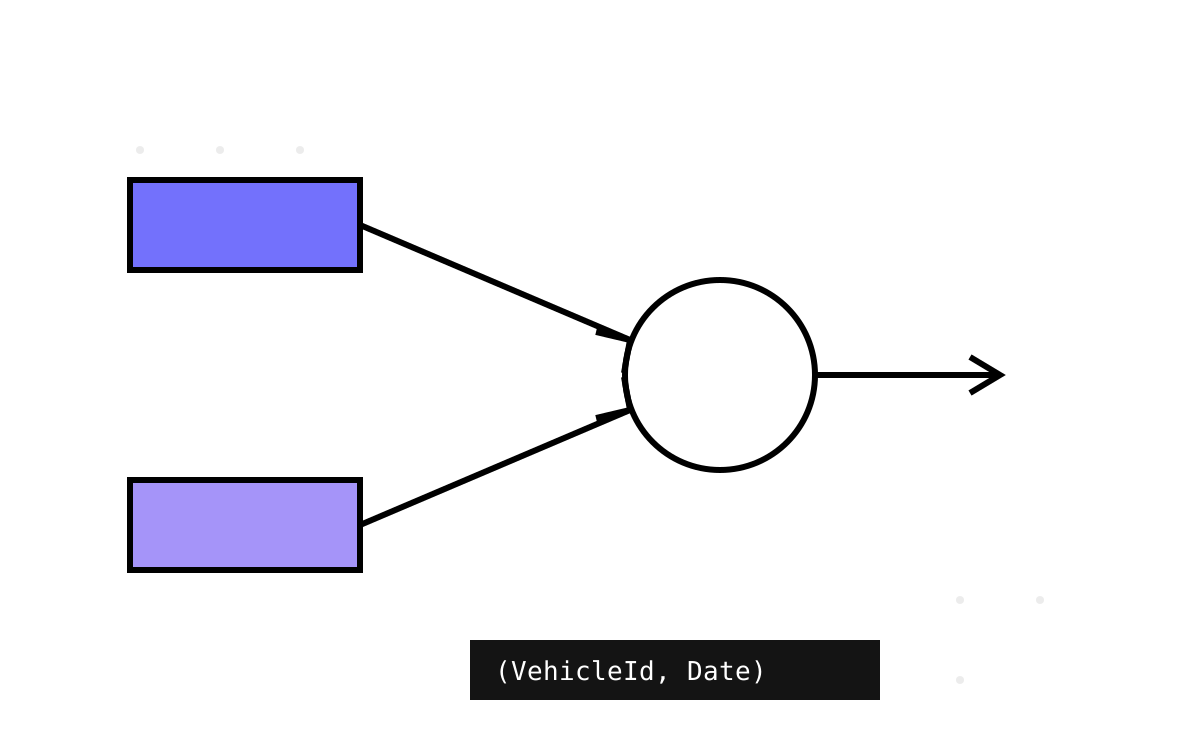
Availability's ResourceReserved event carries no order id, no correlation id, no saga id - just a resource and a date. Orders finds the right order anyway, by treating (vehicleId, deliveryDate) as the correlation key, and the expropriation flow shows exactly when that key stops being unique.
DShop.Common's correlation context threads request identity through every message hop - and a long positional argument list quietly transposes half its fields.
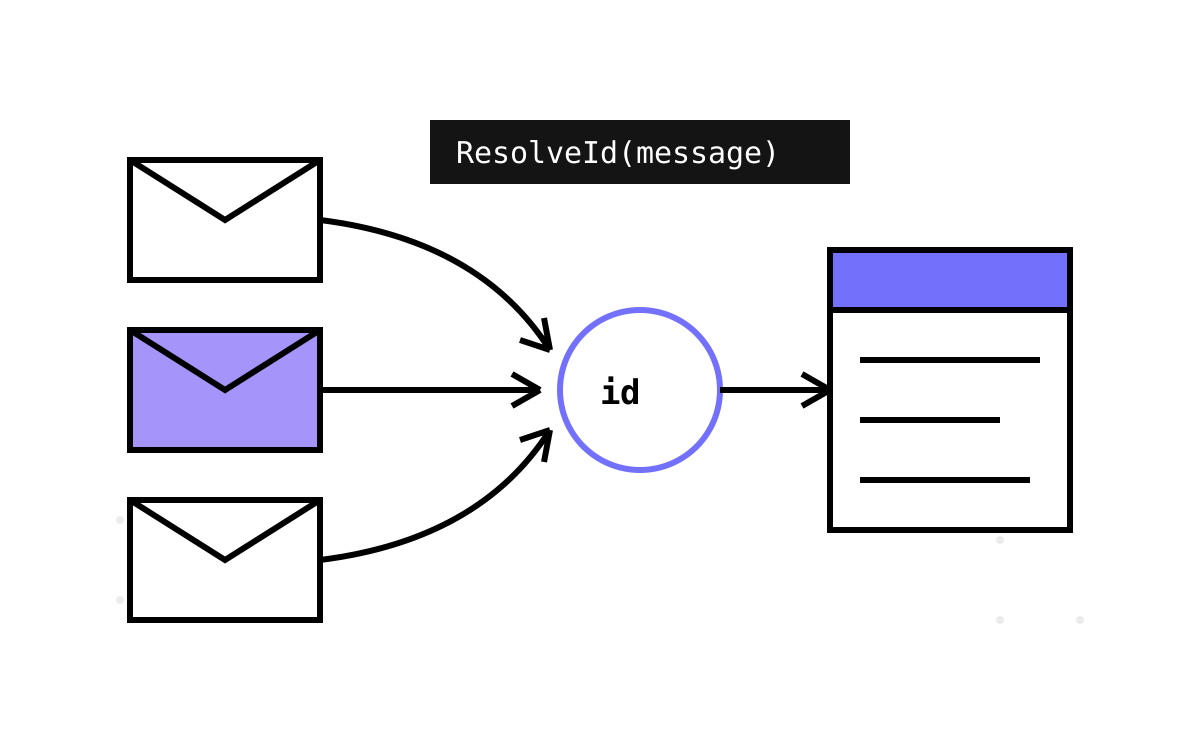
Correlation is the part of the saga pattern that fails silently. SagaId, SagaContext, the Empty-context trap that starts a new saga per message, and the one-method override that routes messages by their own content.
Correlation ids and cascade archiving in ArchiveKit - how one Guid per save turns scattered archive rows into a reconstructable object graph, why cascade happens through the EF change tracker rather than the database, and two honest limits: a naive root heuristic and a CascadeArchive flag the interceptor doesn't read yet. Part 6 of the Archive-on-Delete with ArchiveKit series.