Three Load Balancers Behind One Config String
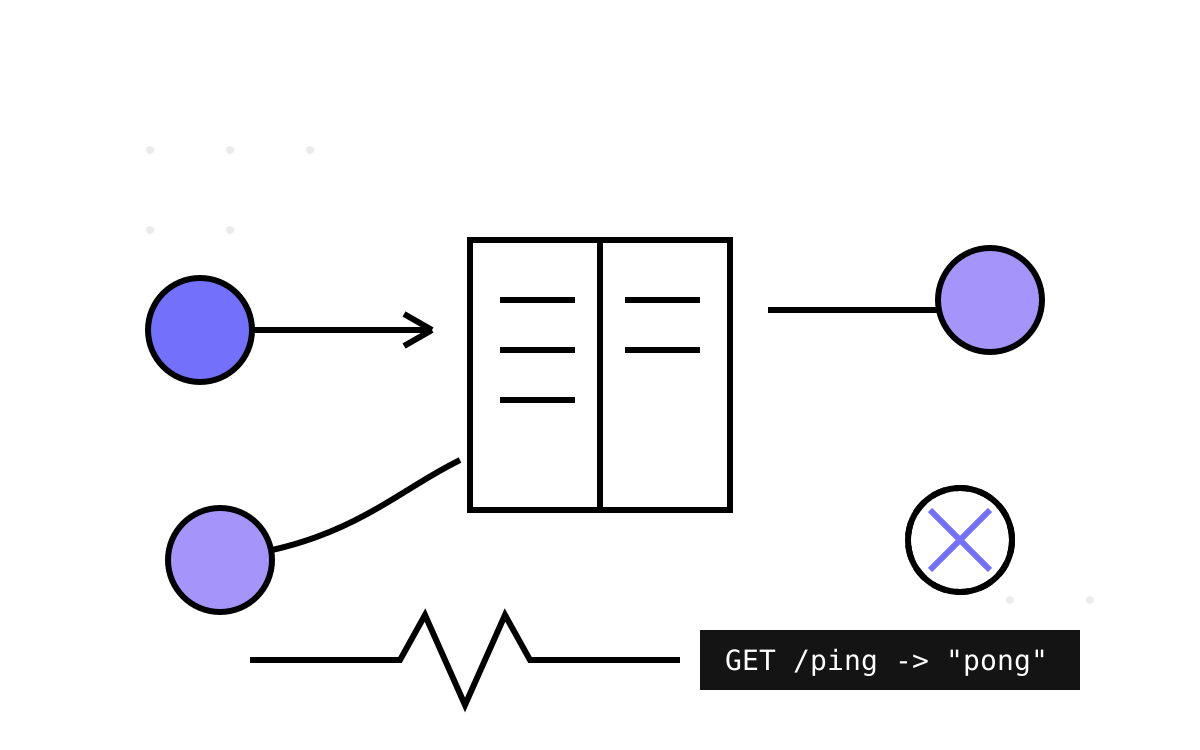
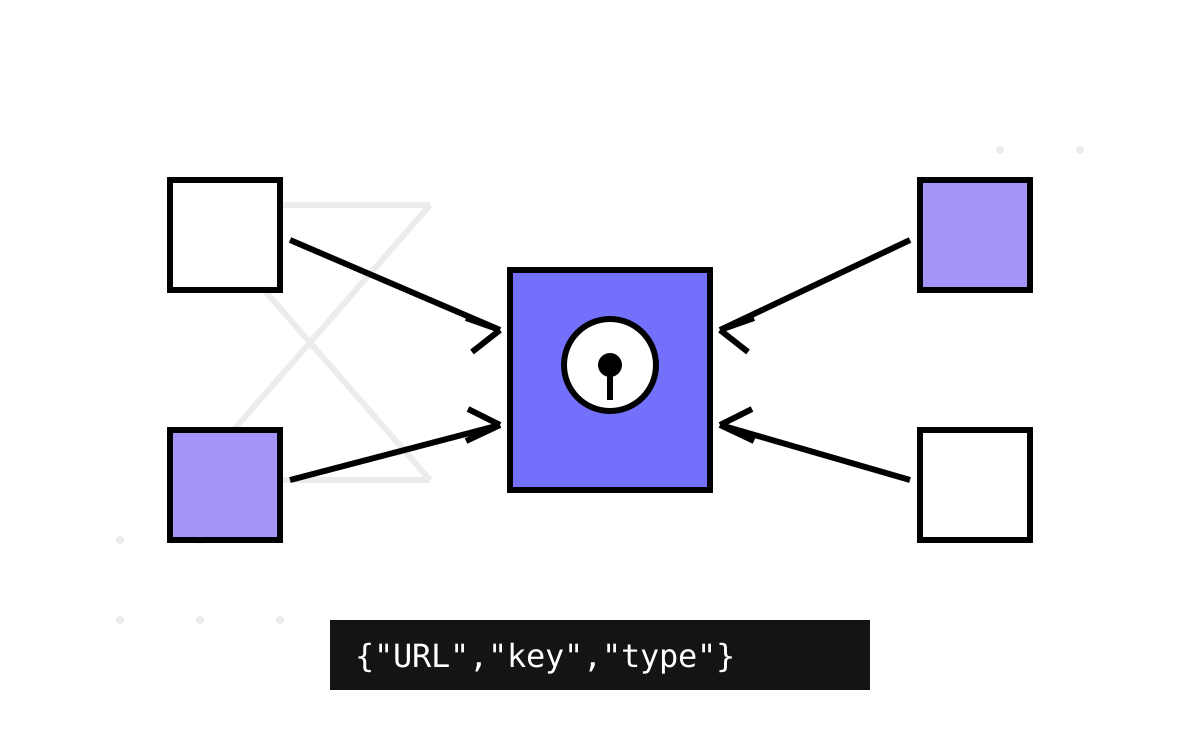
DShop.Common picks client-side discovery, a router, or a static address from one word in JSON - and self-registers each service into Consul with a heartbeat lease.
Newest first, grouped by year. Search or filter by topic.
DShop.Common picks client-side discovery, a router, or a static address from one word in JSON - and self-registers each service into Consul with a heartbeat lease.
How Convey wires Consul registration, health-gated deregistration and client-side balancing - and why Fabio exists to take the balancing decision back out of your process.
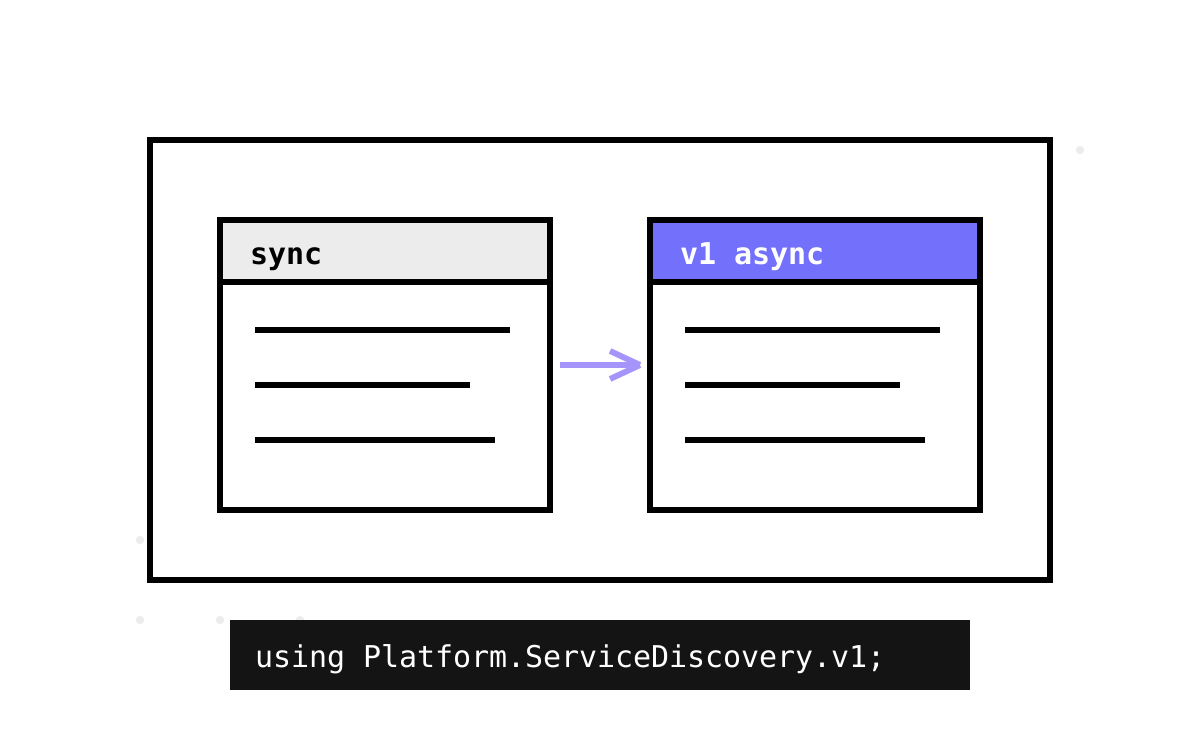
Sync-over-async, a new HttpClient per call, out parameters everywhere - the discovery library needed a rewrite, and dozens of deployed consumers meant it could not break anyone. How the second generation shipped side by side with the first in the same NuGet package, what it fixed, and the one thing it deliberately kept. Part 7 of Service Discovery Without a Service Mesh.
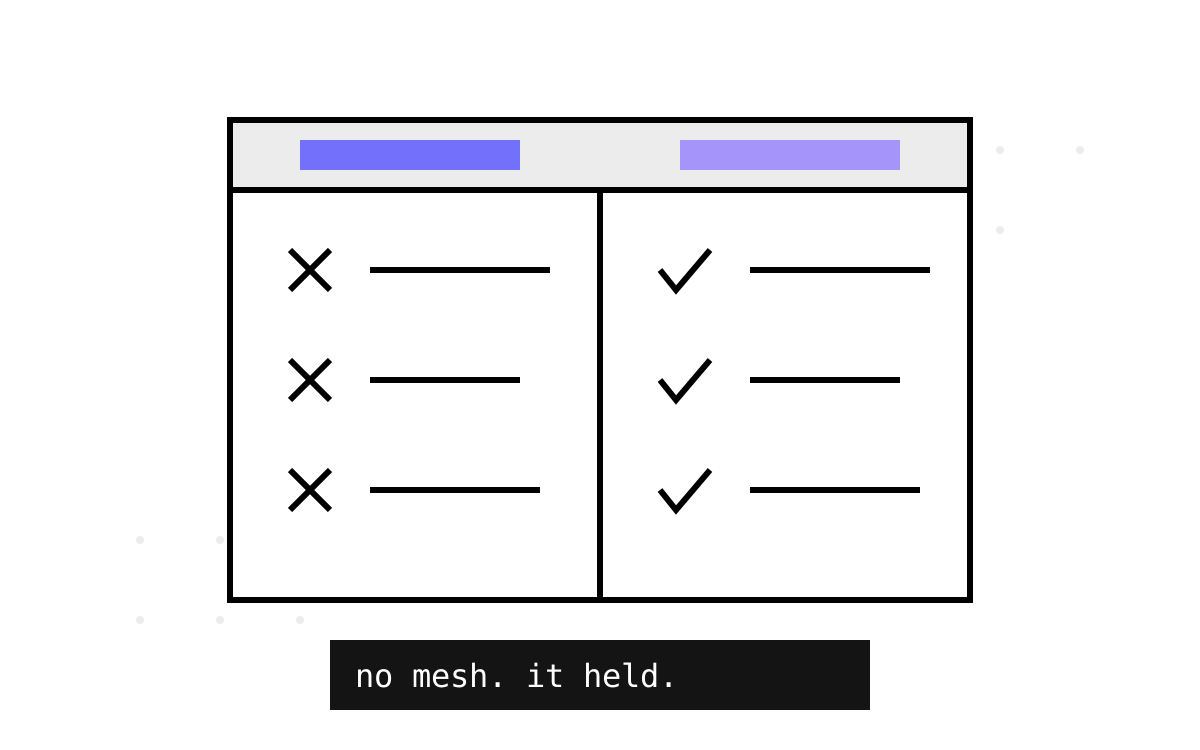
The complete honest ledger for a Key Vault-backed service discovery layer after years in production - the debts I would pay tomorrow, the trade-offs I would sign again, and the concrete signals that it is time to graduate to App Configuration, APIM, Dapr or a mesh. Part 8, the finale of Service Discovery Without a Service Mesh.
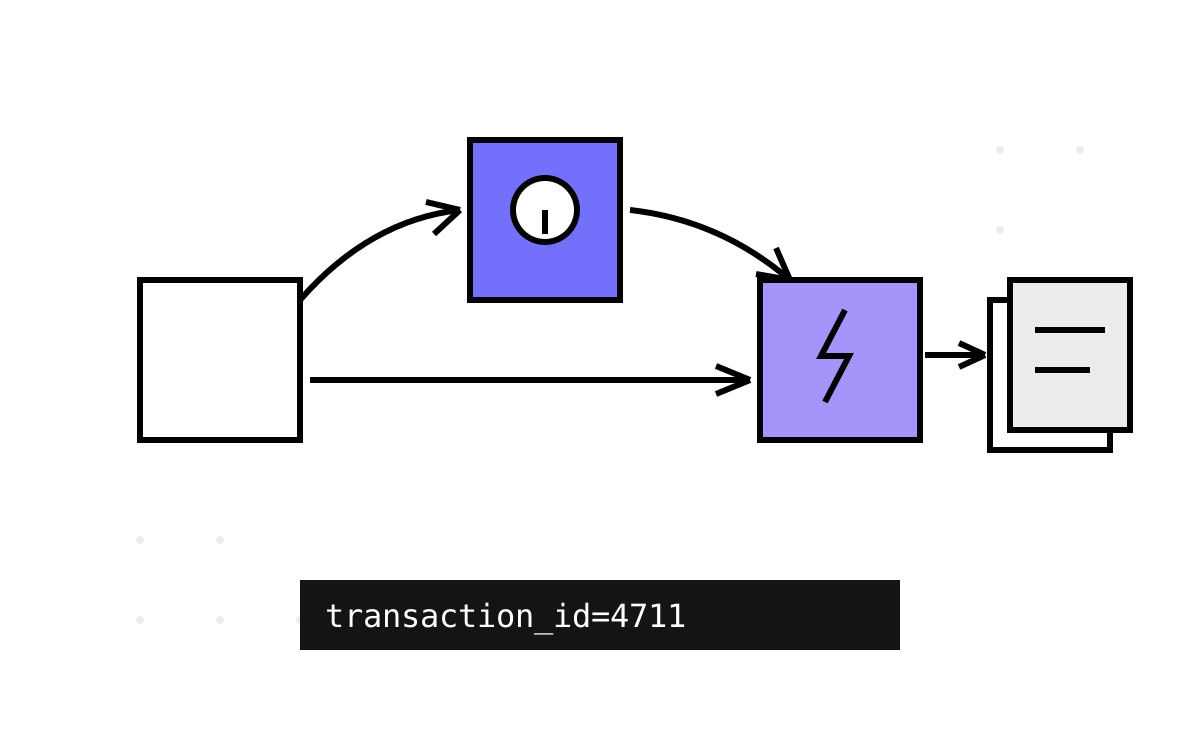
The estate's transaction logging wrote to blob storage through a dedicated logging function - which consumers located through the same Key Vault registry the logger belongs to. Discovery consuming discovery, the transaction-id thread that made it useful, and the bootstrap questions self-reference always raises. Part 6 of Service Discovery Without a Service Mesh.
One static registration method wires the whole discovery subsystem into an Azure Functions host, and one CI pipeline packs it as a private NuGet package. The lifetime choices in those few lines quietly decide the caching semantics of the entire estate - and a duplicate registration teaches how DI forgives. Part 5 of Service Discovery Without a Service Mesh.
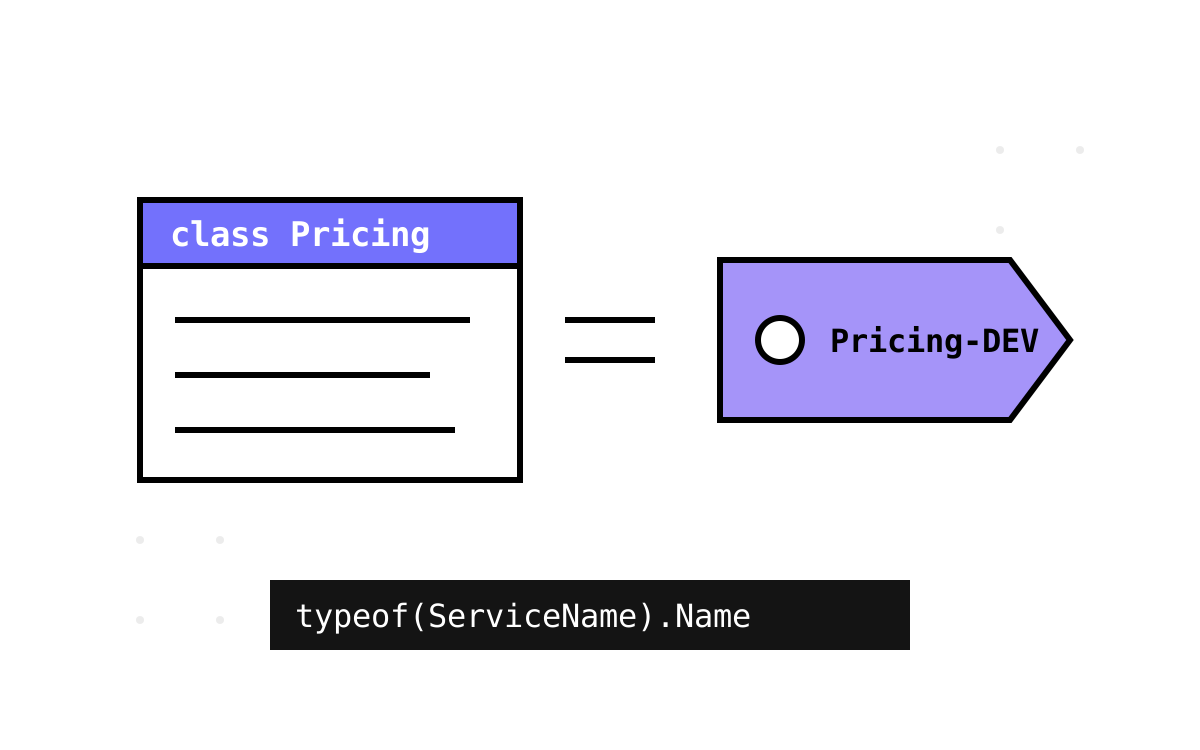
Above raw resolution sits a convention layer - an abstract endpoint base class that derives its Key Vault lookup key from its own type name, a template method separating the call from the interpretation, and a generic proxy that routes by name across every endpoint the DI container knows. Part 4 of Service Discovery Without a Service Mesh.
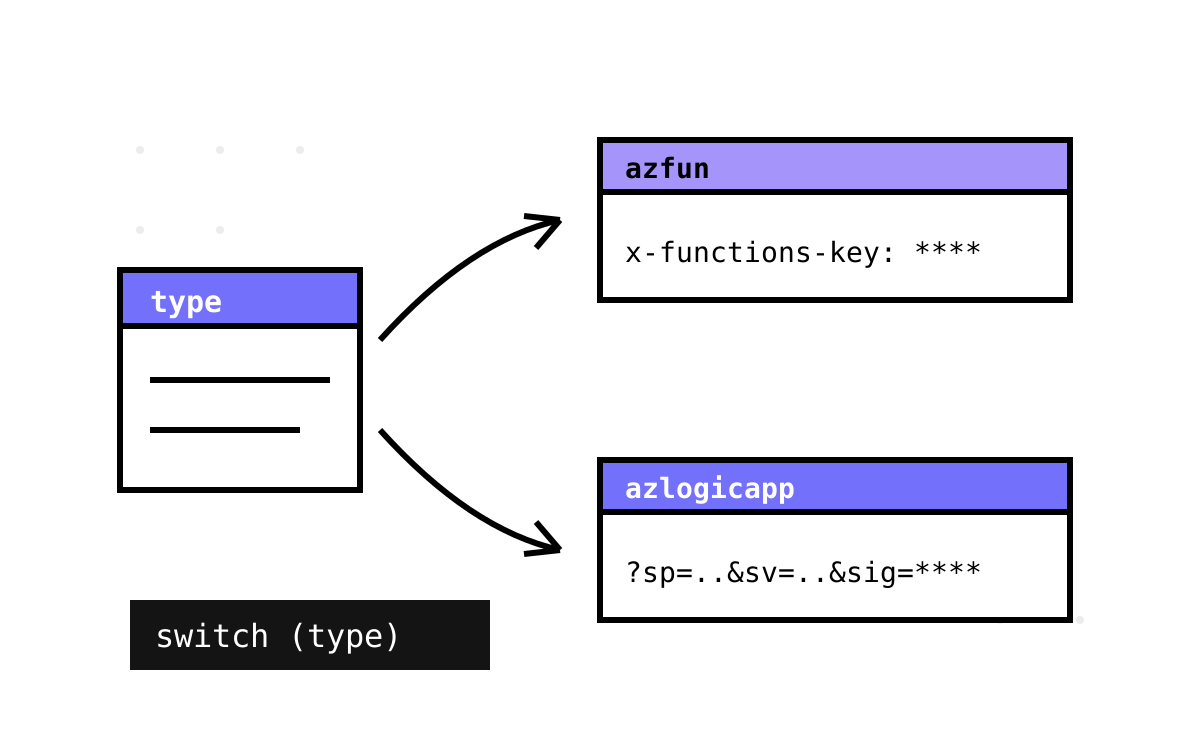
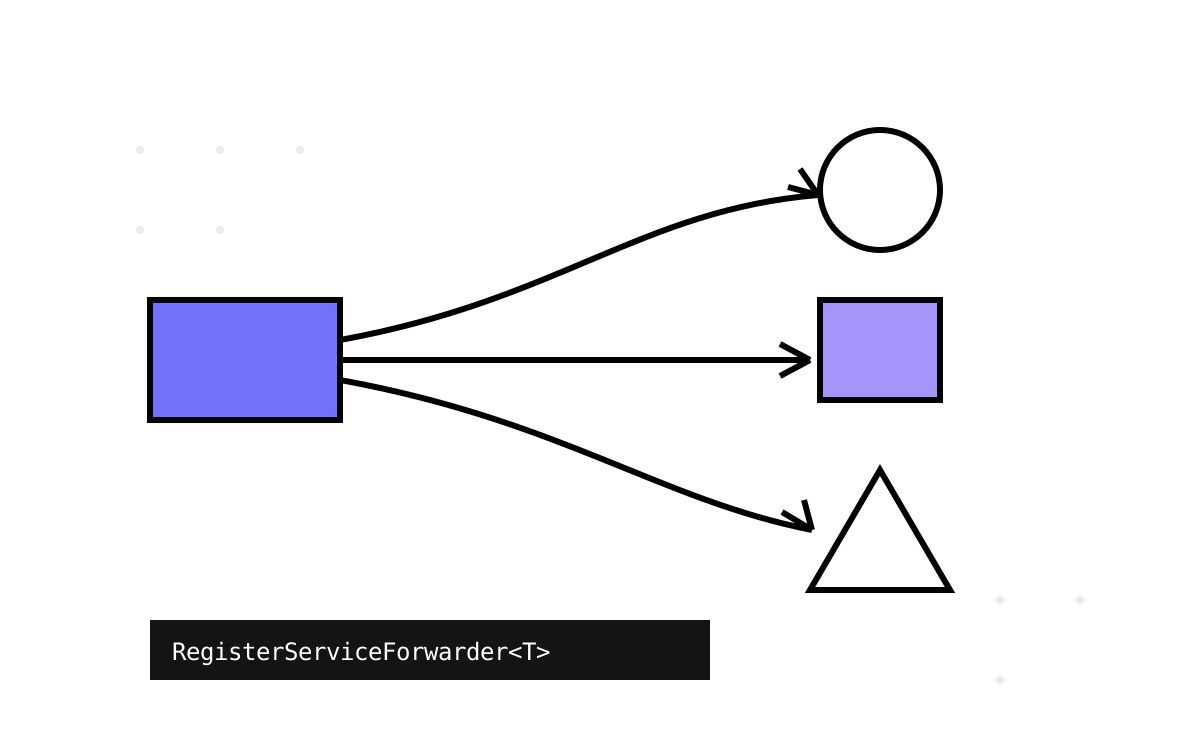
Azure Functions want their key in an x-functions-key header; Logic App workflows want a SAS signature in the query string. How a discovery record's type field became a calling-convention discriminator, and how one small HTTP service hid that difference from every caller in the estate. Part 3 of Service Discovery Without a Service Mesh.
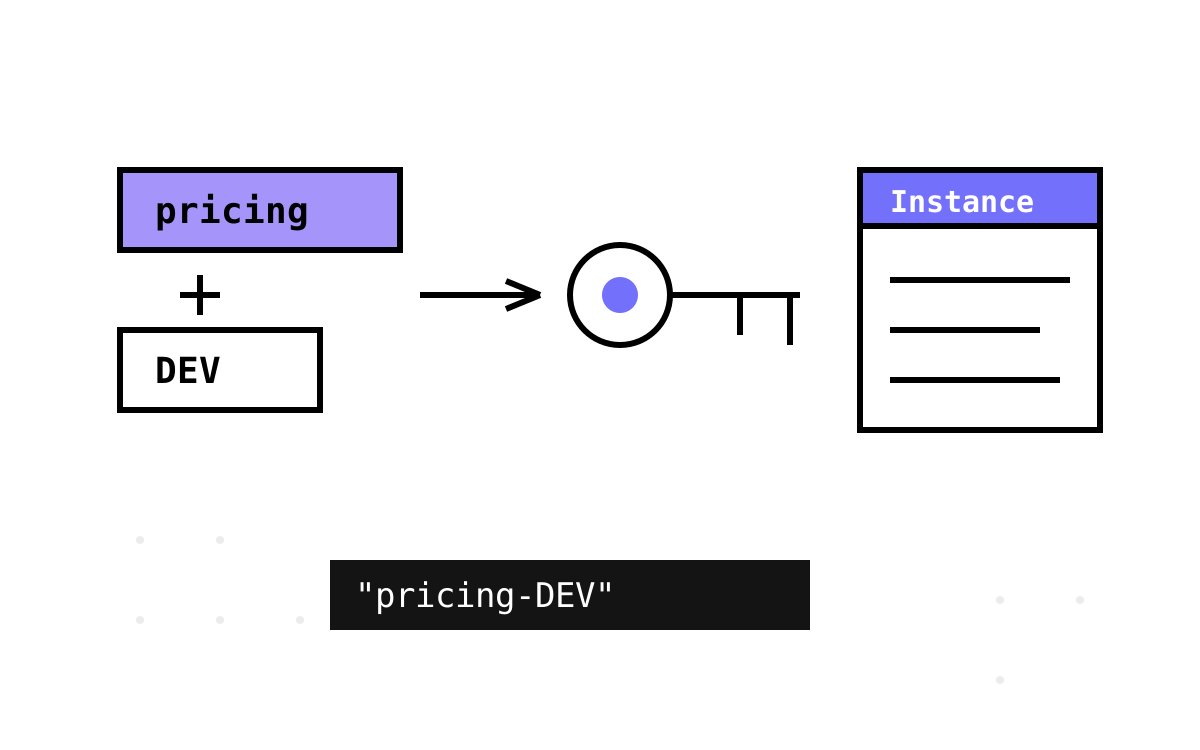
The resolution path of a Key Vault-backed discovery client - three fail-fast environment variables, DefaultAzureCredential with a user-assigned managed identity, a name composed as service-plus-environment, a tolerant JSON parser, and a process-lifetime cache with a bug I shipped and honest trade-offs I chose. Part 2 of Service Discovery Without a Service Mesh.
Dozens of Azure Functions and Logic Apps need each other's URLs and keys, and there is no Kubernetes, no sidecar, no mesh to hand them out. How a small .NET library turned one Key Vault and a naming convention into a working discovery layer - the consumer side of a registry made of secrets. Part 1 of a new series.
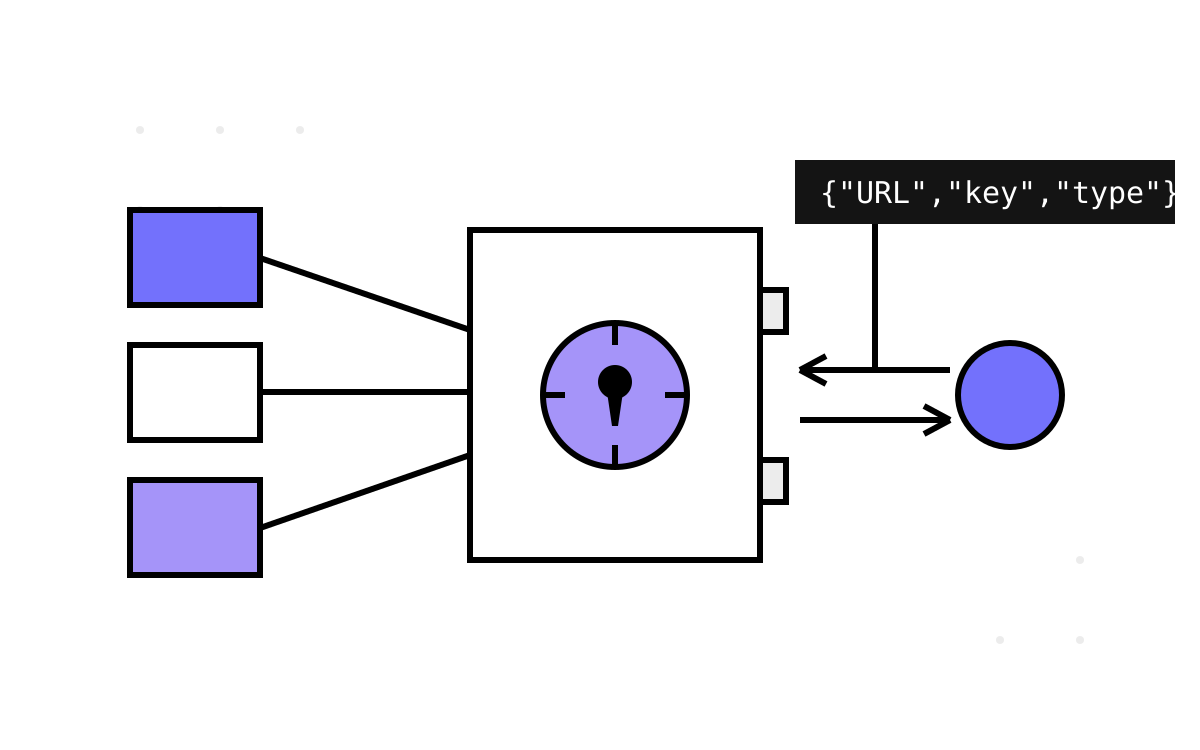
The most-consumed custom module in an Azure Terraform estate wrote one Key Vault secret per service - a JSON record carrying a URL, a credential and a type - and quietly became the runtime service registry for scores of Function Apps and Logic App workflows. How it worked, what it got right, and where a registry with no registry starts to strain. Part 6 of the Terraform on Azure series.