Skip to content
kc@kumarChandrachooda.com:~$ cd /blog/archive && read --section="top" 0%
Archive

Every article

Newest first, grouped by year. Search or filter by topic.

  • 556 articles
  • 13 matching
.NET 26 Feb 2026

The Package Identity That Stranded Sixteen Releases

One commit reclaimed a clean package id and deleted the version prefix in the same breath - leaving two identities on the public feed with inverted version ordering and a csproj that cannot build the package it consumes.
Microservices 23 Oct 2025

Thirteen Repos and a Floating Version

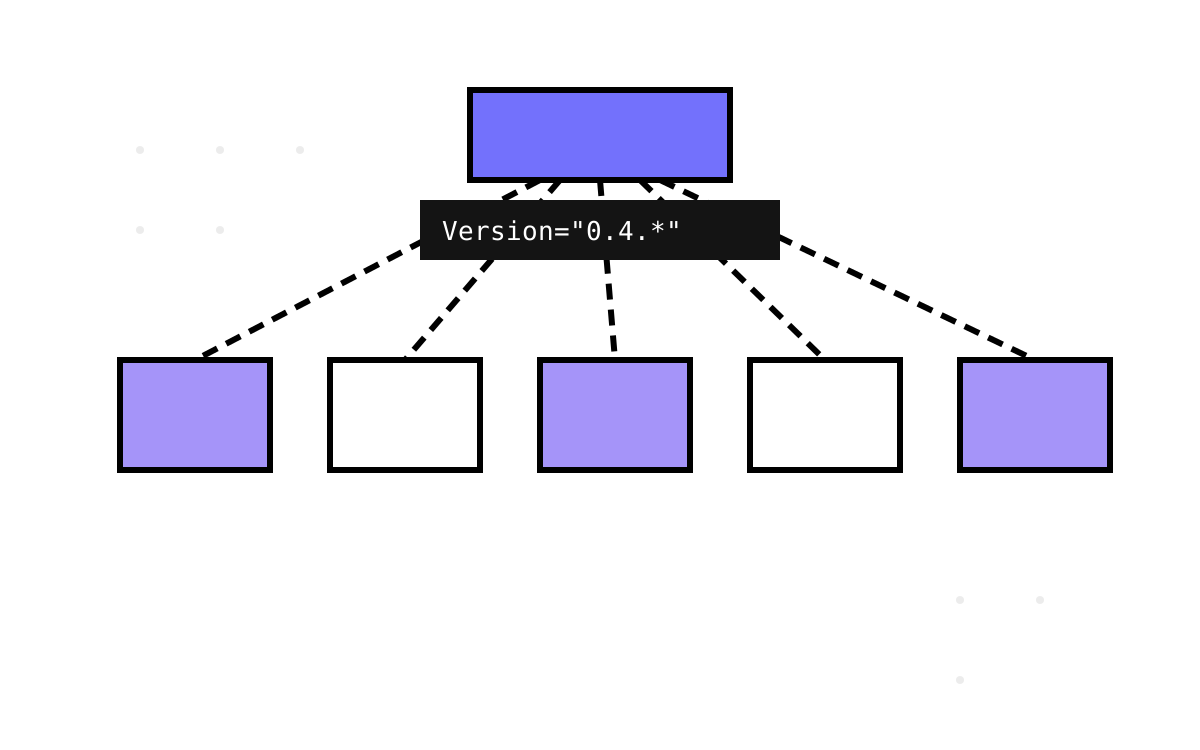
Pacco is thirteen sibling repositories held together by a solution file of relative paths, clone scripts with a dual-branch habit, and 284 package references that all say 0.4.* - coherence by wildcard, with a name-squatted saga library and a README that forgot a repo along the way.

Microservices 22 Sep 2025

The Version-Skew Time Capsule

One DShop service targets a different framework, references a frozen NuGet package, and calls an API that no longer exists in the repo - so its Debug configuration cannot compile, and it only builds in Release. Part 11 of Nine Services and a Message Bus.

.NET 11 May 2025

Draining the Archive Without Losing a Row

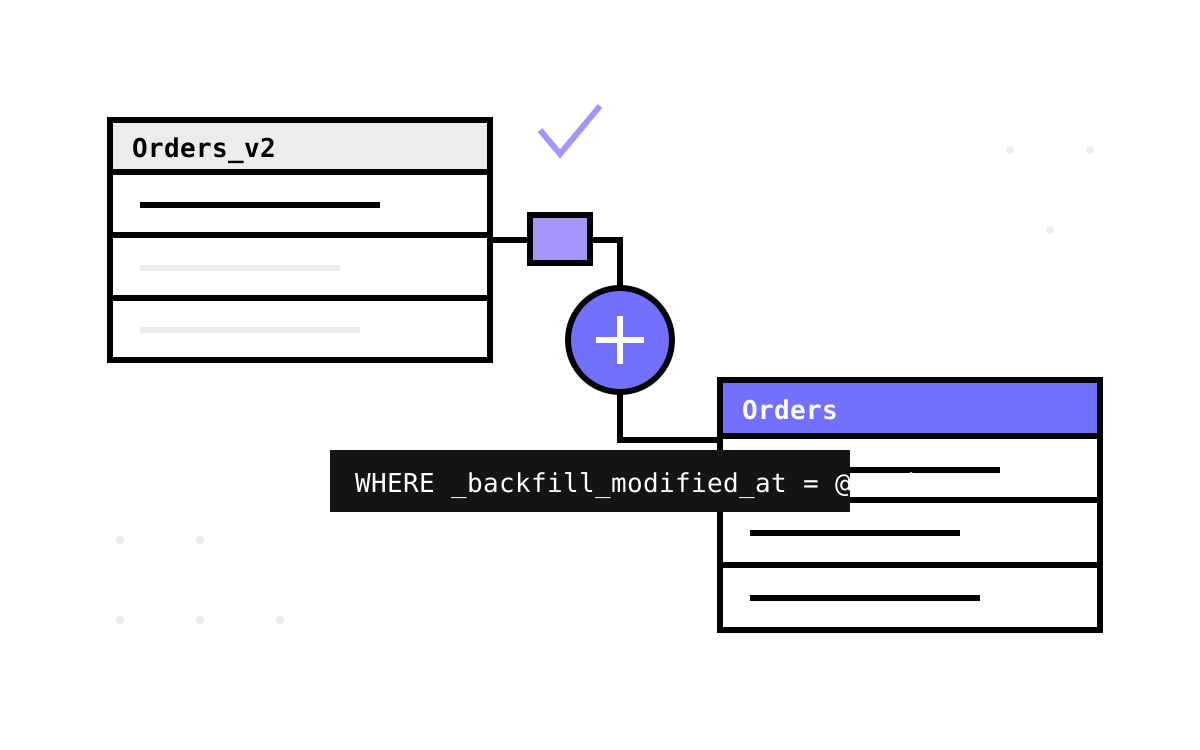
Archive tables are meant to empty out - a background worker migrates their rows into the current table while live traffic reads and write-through updates race it. This part walks the EF backfill's insert-then-conditional-delete choreography and the timestamp that keeps it honest. Part 9 of the Entity Versioning with VersionKit series.

.NET 11 May 2025

The Bill for Versioning Everything

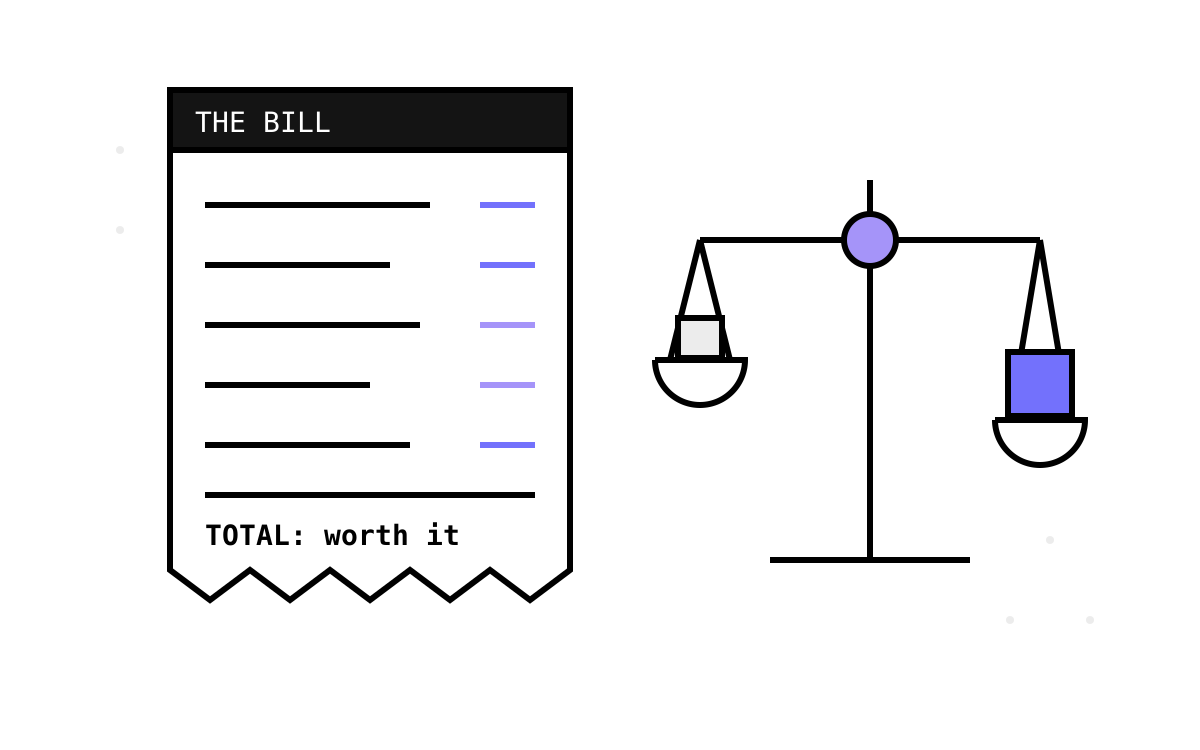
Static registries, Activator-created migrators, a Postgres accent, a flag that does nothing, and no test project - the closing part of the VersionKit series itemises every trade-off in the library, says when you should not use it, and sketches what comes next. Part 10 of the Entity Versioning with VersionKit series.

.NET 10 May 2025

One Query Across Every Version

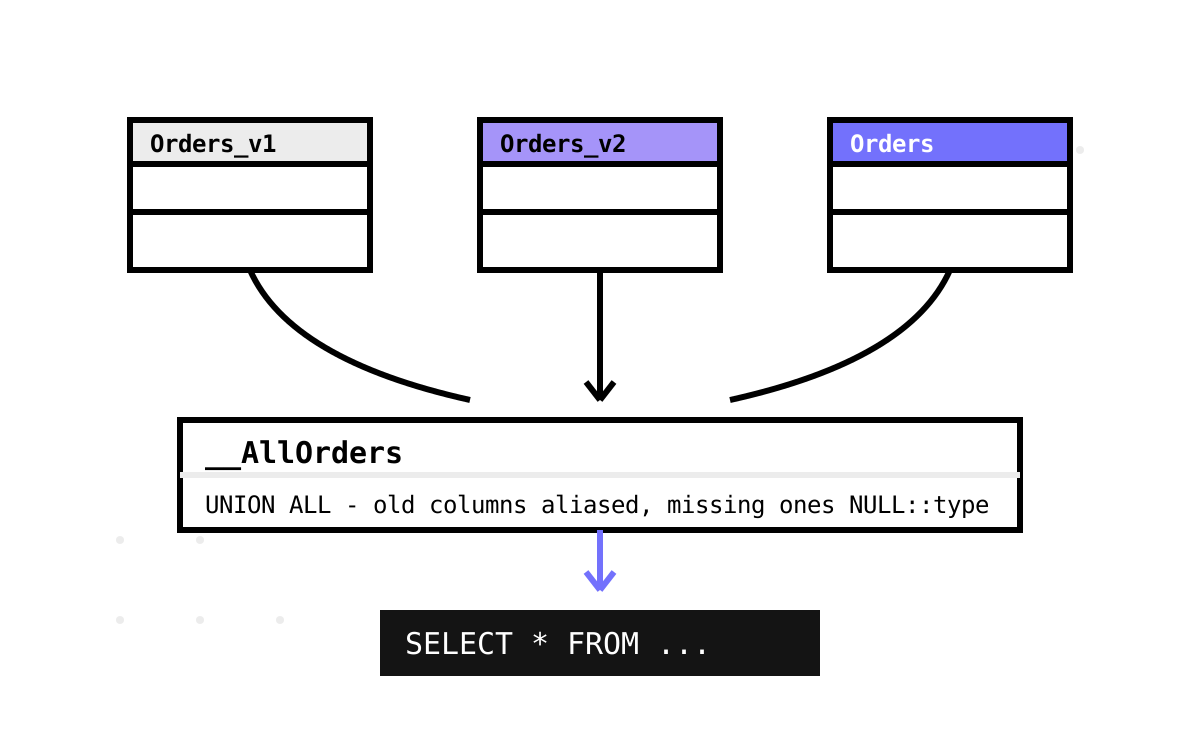
A point lookup that might hit any of three tables, a list query that should span them all, and writes that must keep a registry honest - this part walks VersionKit's version-aware reader and writer, and the generated UNION view that makes every schema era queryable as if it were current. Part 8 of the Entity Versioning with VersionKit series.

.NET 09 May 2025

Give Old Rows Their Own Table

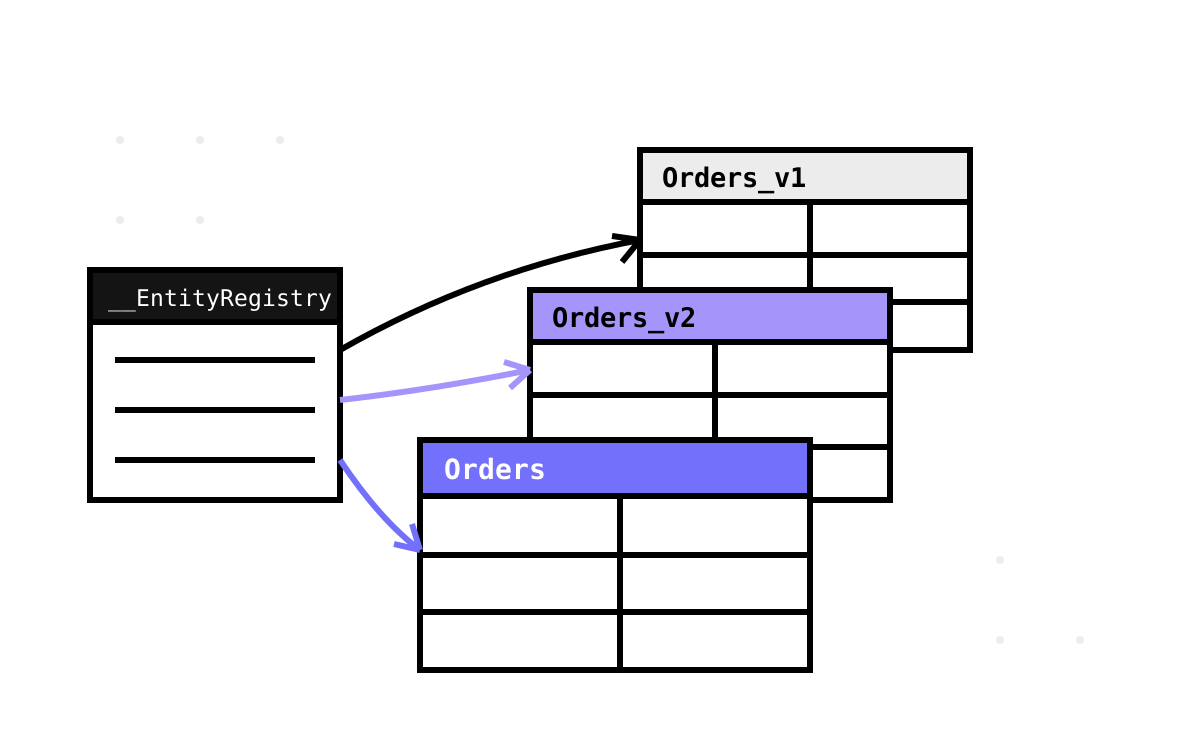
JSON payloads can migrate lazily because the reader controls the shape - relational rows cannot, because the table is the shape. VersionKit's EF Core answer is table-per-version - archive Orders as Orders_v2 on a schema bump, track every row's home in a registry, and let old rows stay old until something moves them. Part 7 of the Entity Versioning with VersionKit series.

.NET 09 May 2025

Paying Down the Migration Debt

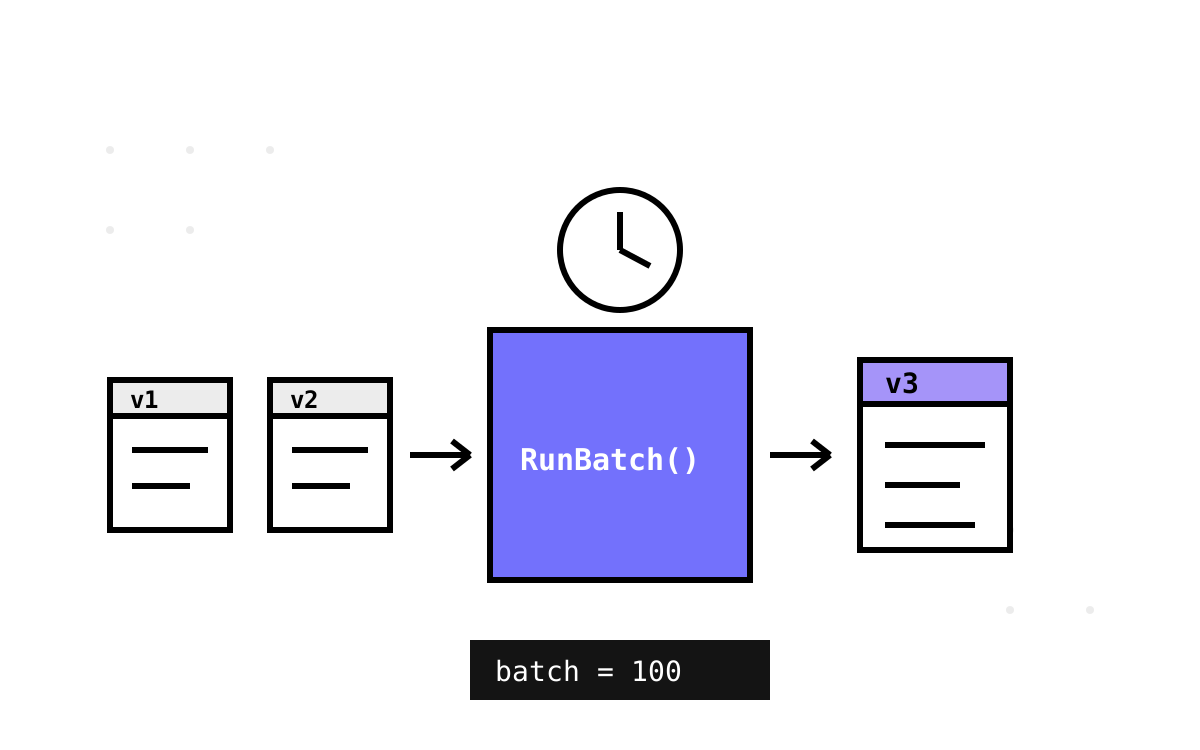
Lazy migration makes deploys instant but taxes every read of old data. VersionKit's backfill service rewrites stale payloads in scheduled batches until the store converges on the current version - in a host, or from a serverless function. Part 6 of the Entity Versioning with VersionKit series.

.NET 08 May 2025

When Attributes Aren't Enough

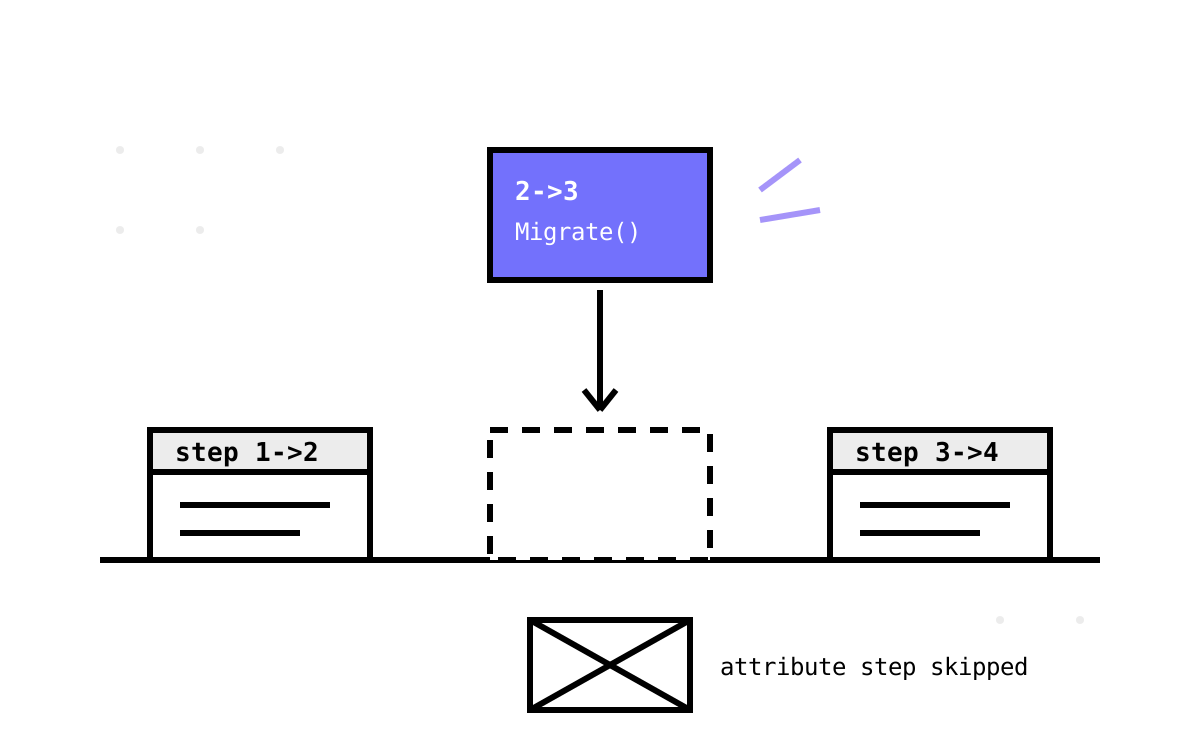
Splitting a name field, converting a string to a bool, deriving a flag from a total - some migrations are code, not metadata. This part covers VersionKit's three escape hatches and the sharp edges each one carries. Part 5 of the Entity Versioning with VersionKit series.

.NET 07 May 2025

Nobody Writes an Up() Method

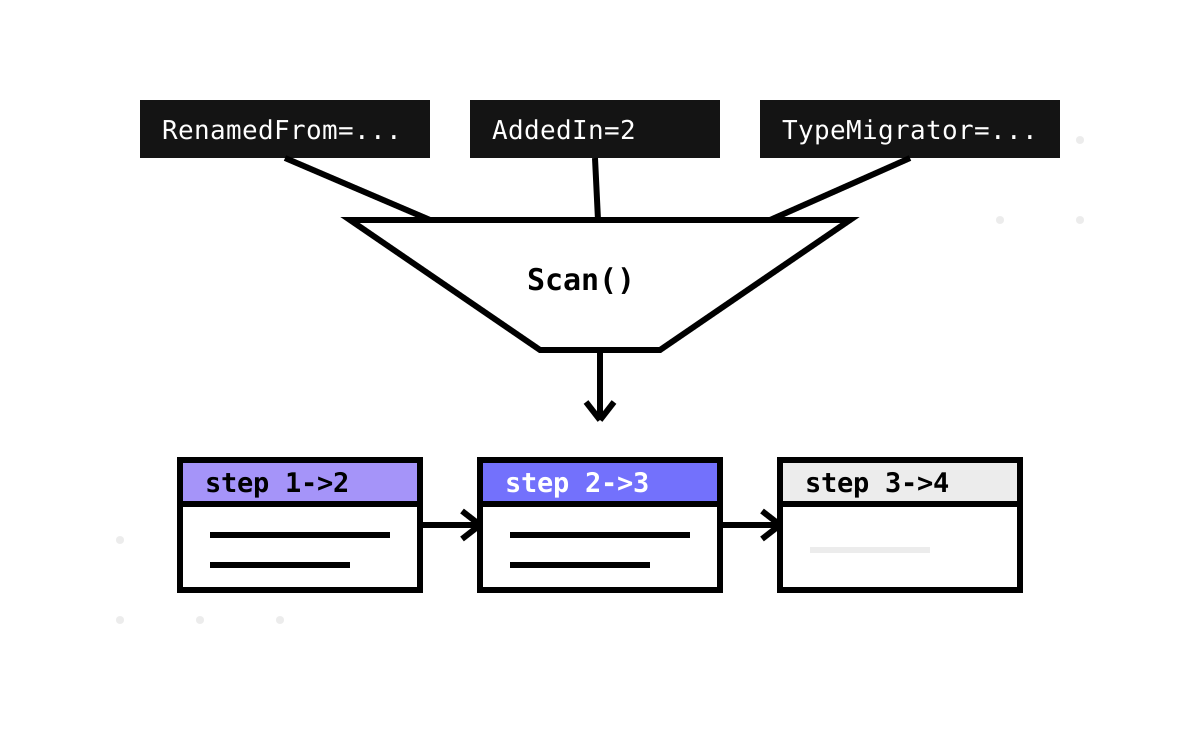
At startup VersionKit reflects over your model assembly and compiles property attributes into an executable pipeline - one migration step per version pair, five operation types, all of them deliberately idempotent. Part 3 of the Entity Versioning with VersionKit series.

.NET 07 May 2025

The Watermark and the Walk

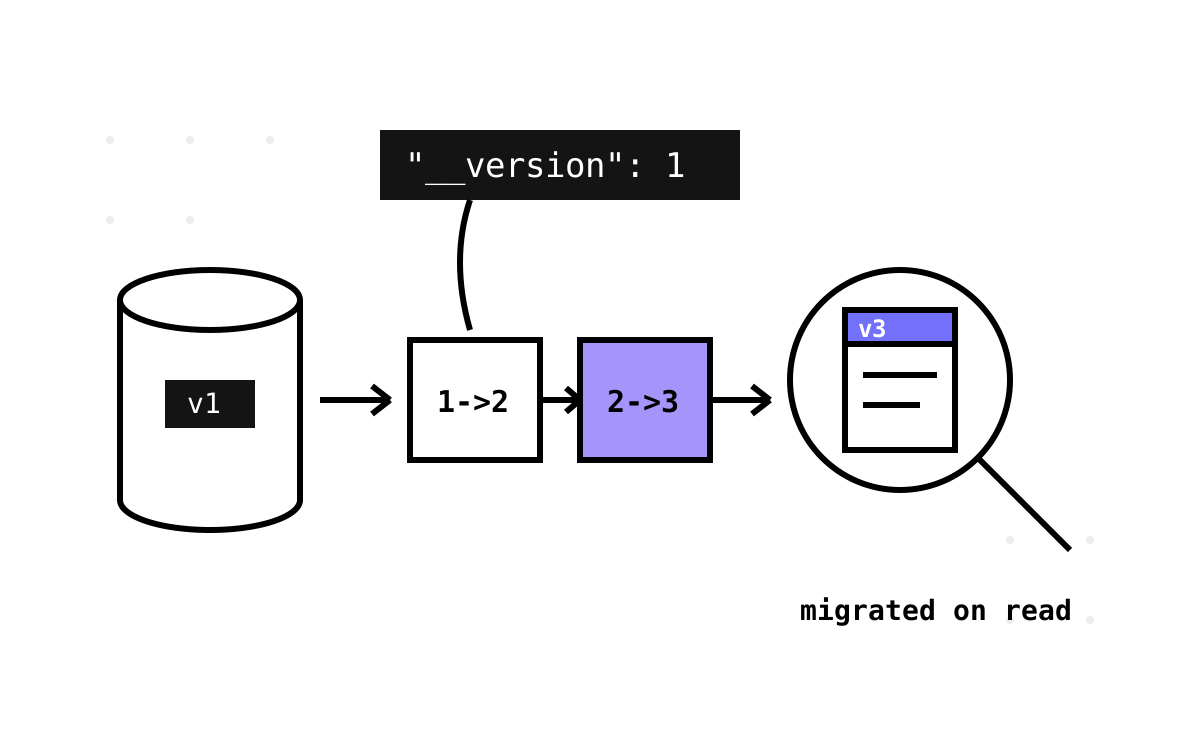
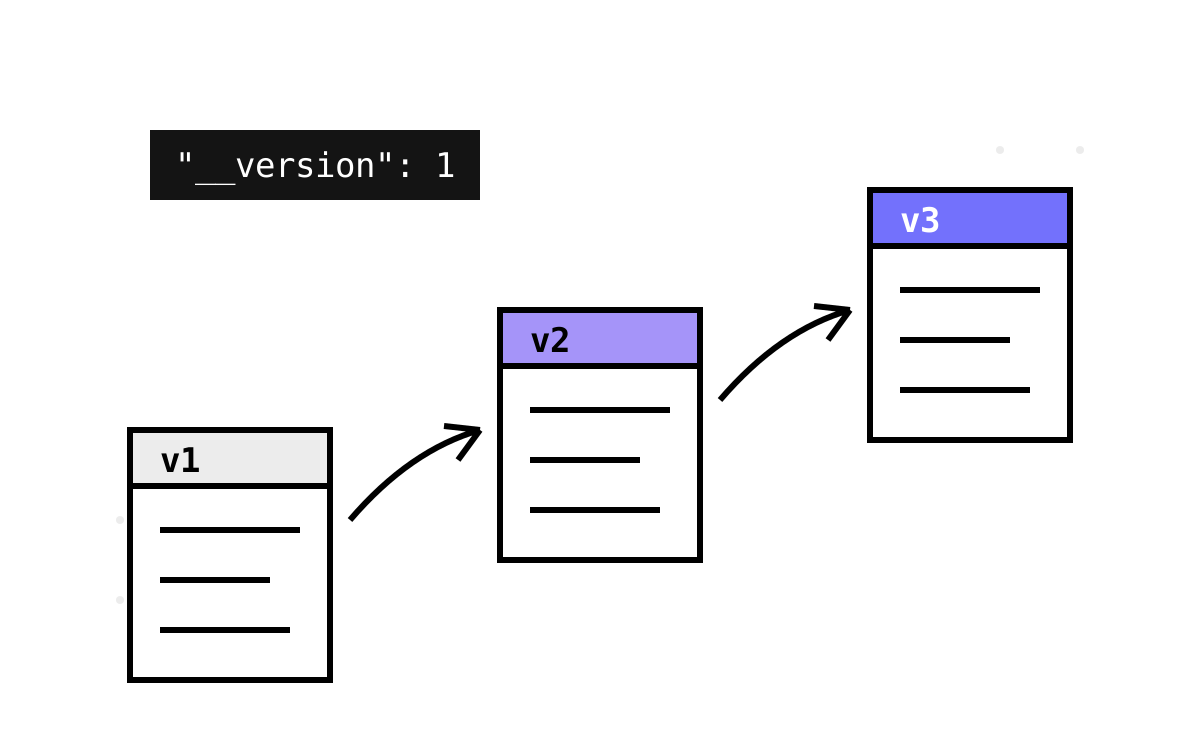
Every stored payload carries a __version stamp; every read walks it up one step at a time. This part dissects VersionKit's lazy migration pipeline - the MigrationRunner API, the JsonElement traps System.Text.Json sets for dictionary code, and reading history on purpose. Part 4 of the Entity Versioning with VersionKit series.

.NET 06 May 2025

Five Ways a Property Can Change

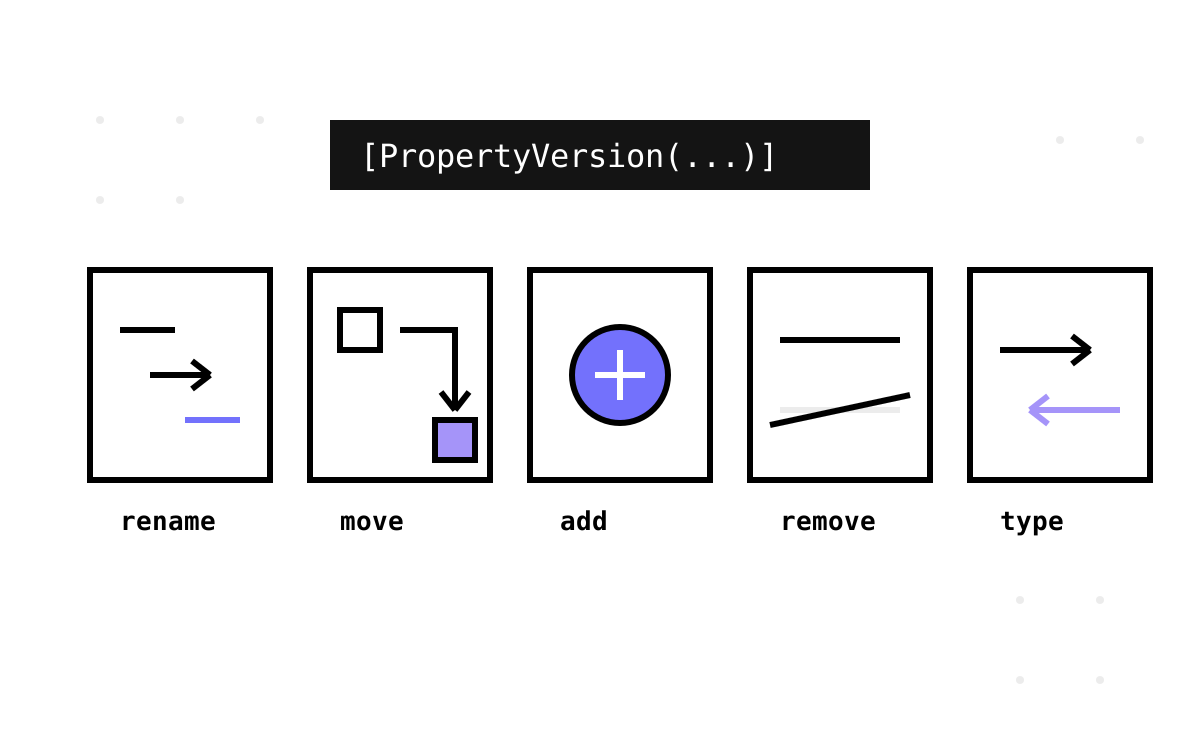
Rename, move, add, remove, type change - VersionKit's attribute surface covers five kinds of schema evolution. This part walks the whole declarative API, the merge rules behind stacked attributes, and what the attributes deliberately refuse to express. Part 2 of the Entity Versioning with VersionKit series.

.NET 05 May 2025

Your Database Remembers What Your Code Forgot

Rename a property, change a type, ship the release - and every payload you stored last year stops deserialising. Introducing VersionKit, a .NET library that declares schema history as attributes and migrates old data on read.