The Buy Path That Never Worked
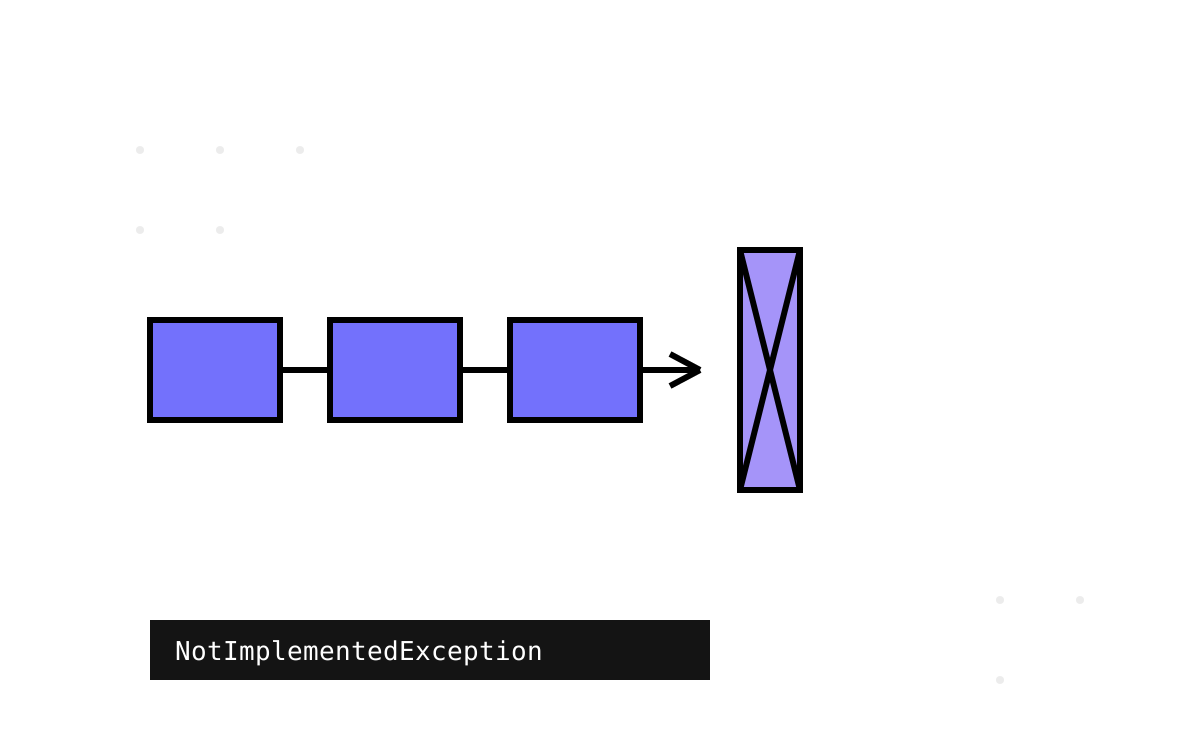
The DShop monolith was abandoned with a NotImplementedException sitting directly in the order path. Reading its honest ledger is a masterclass in what an unfinished codebase confesses about itself.
Newest first, grouped by year. Search or filter by topic.
The DShop monolith was abandoned with a NotImplementedException sitting directly in the order path. Reading its honest ledger is a masterclass in what an unfinished codebase confesses about itself.
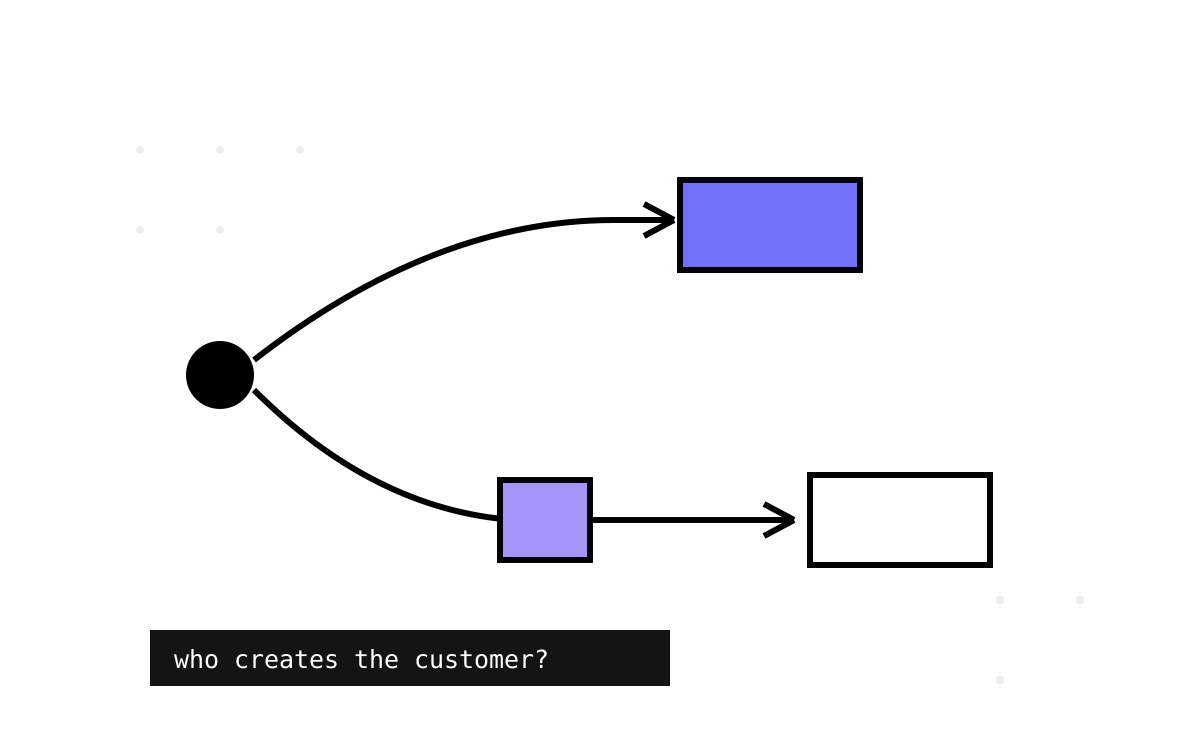
In DShop a customer is born in two steps - a record on sign-up, then a completed profile. Following both across the monolith and the swarm shows how a consistency model quietly rewrites a user flow.
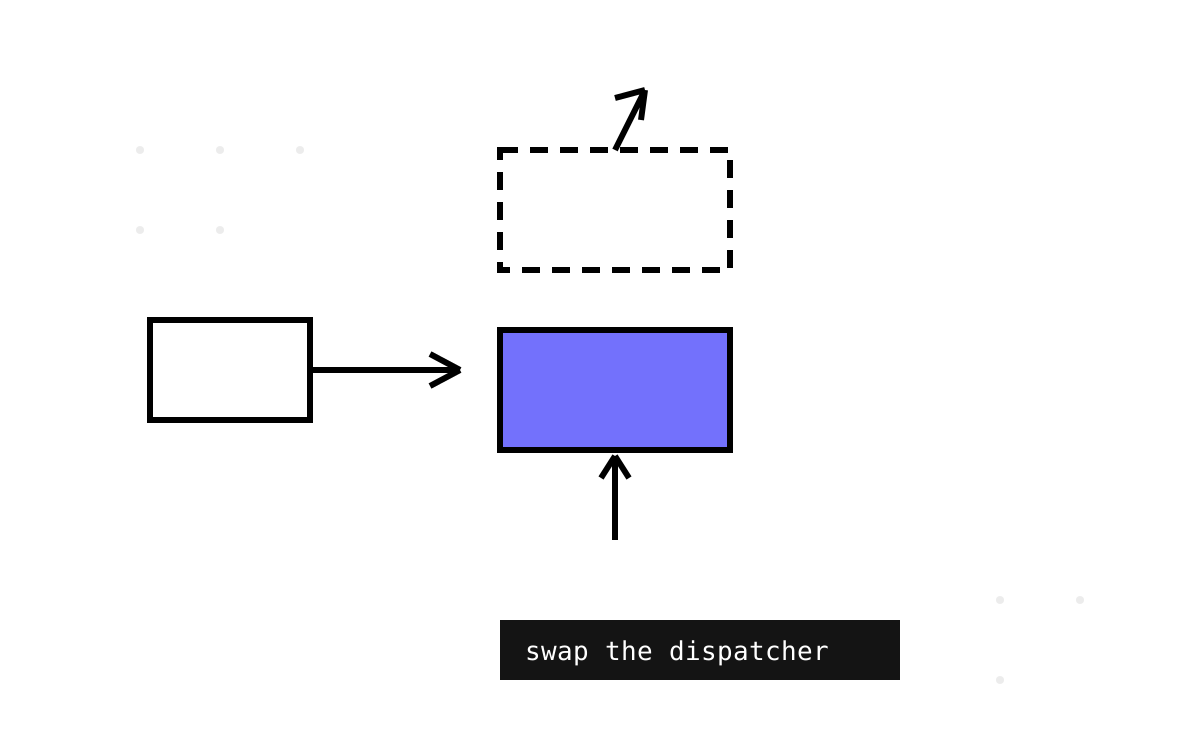
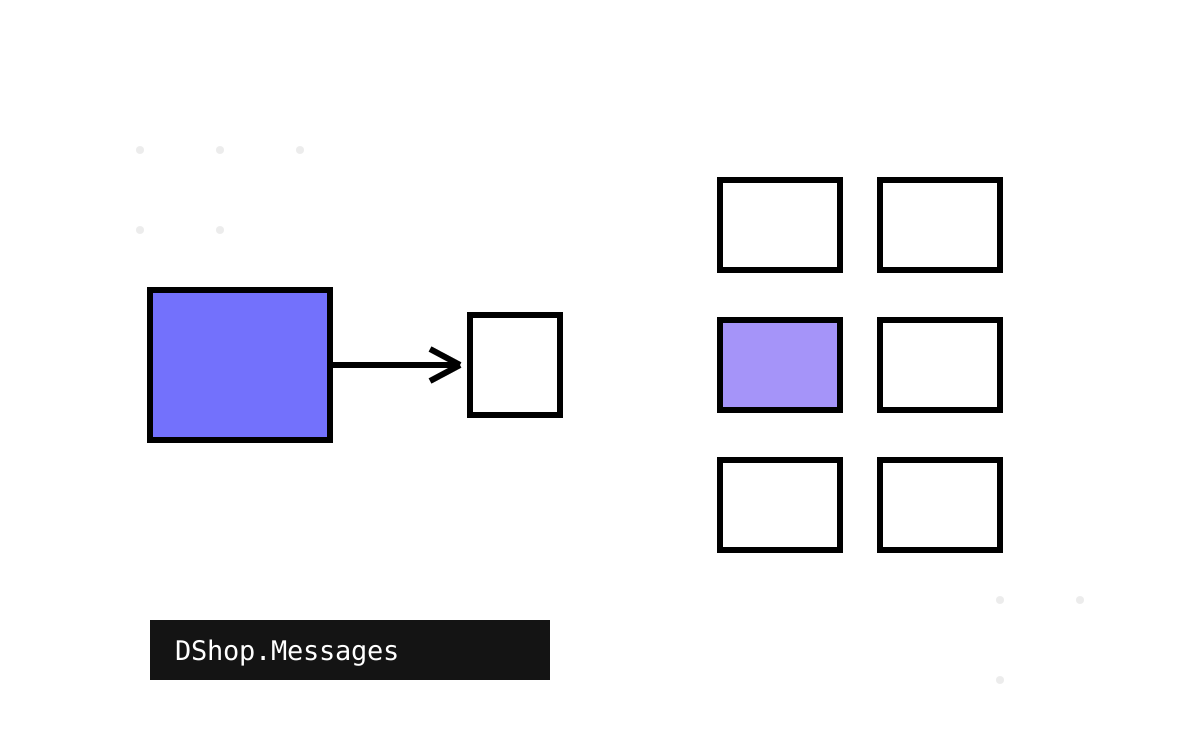
The monolith and the microservices share the same command names. Decomposition here was one substitution - resolve a local handler, or publish to a broker - and reading both dispatchers shows exactly what changes.
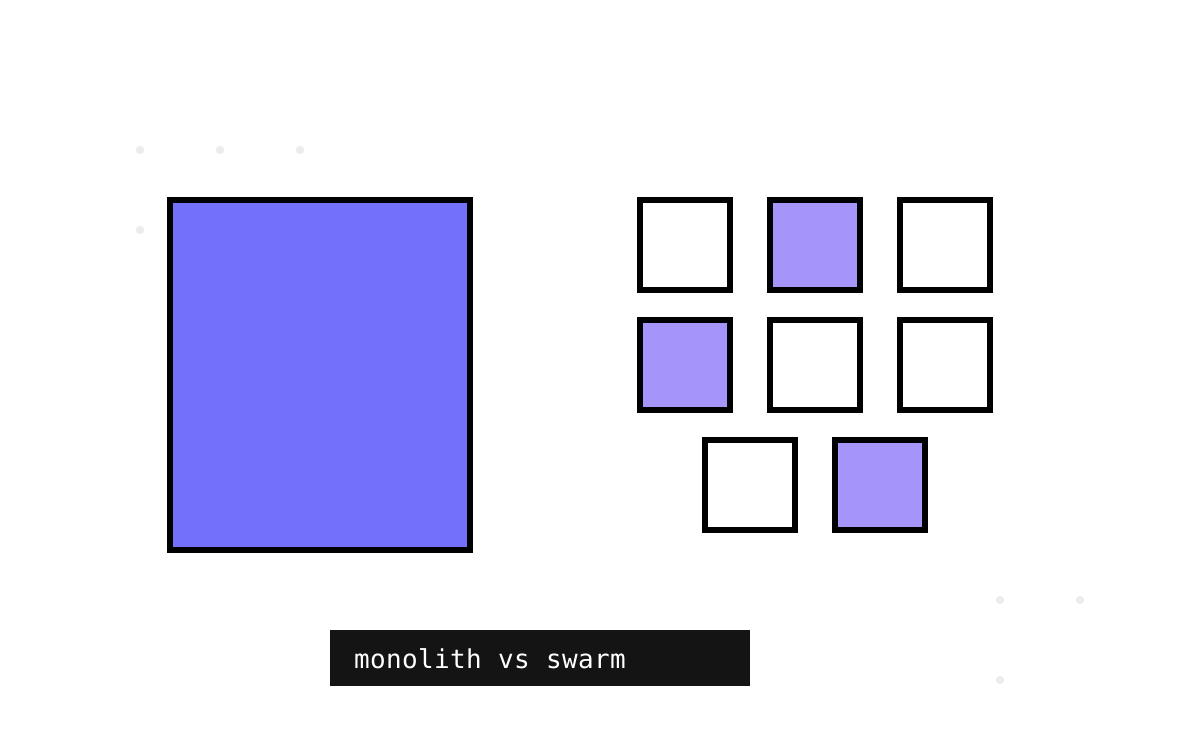
DevMentors built the same e-commerce shop twice - once as a monolith, once as nine services - with two gateways and two frontends. This series reads the whole estate as one artefact.
DShop exists as one deployable and as nine services built from the same requirements. Read side by side, the two builds show which decisions were decisions and which were defaults.
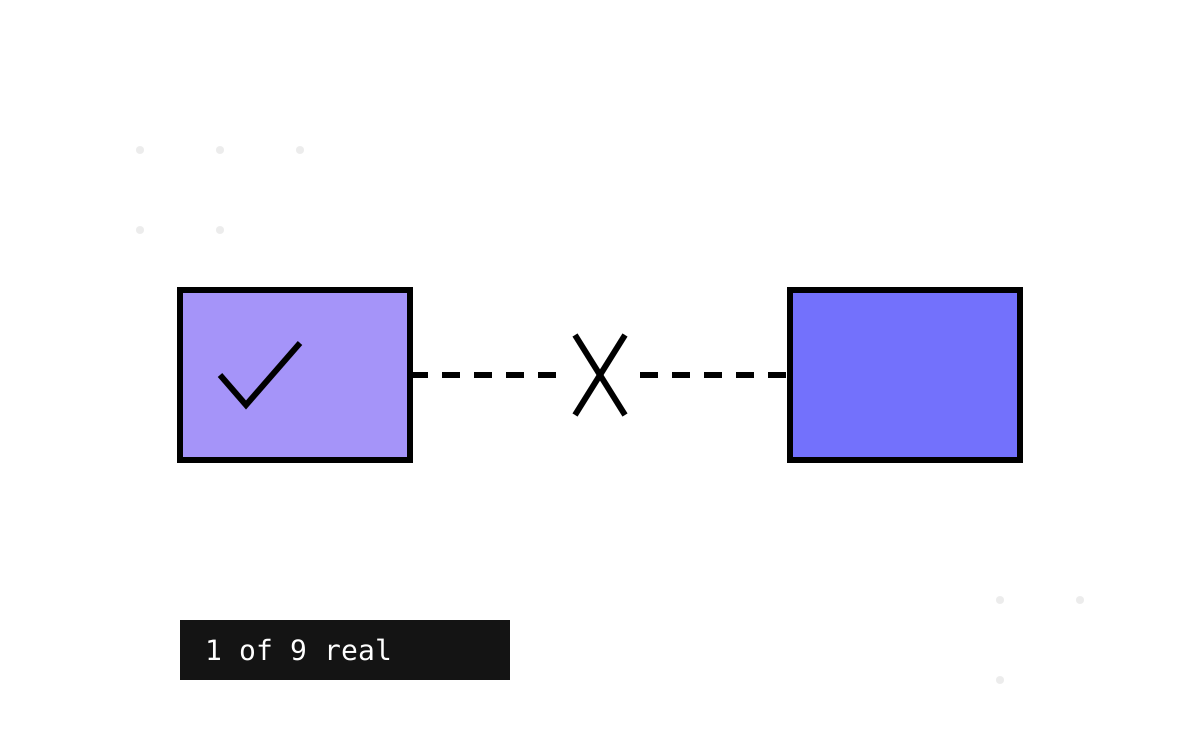
A retrospective on nine DShop services - the order aggregate and checkout saga that genuinely work, sitting next to the discount that only prints, the emails that never send, and a currency guard that guards nothing. Part 15 of Nine Services and a Message Bus.
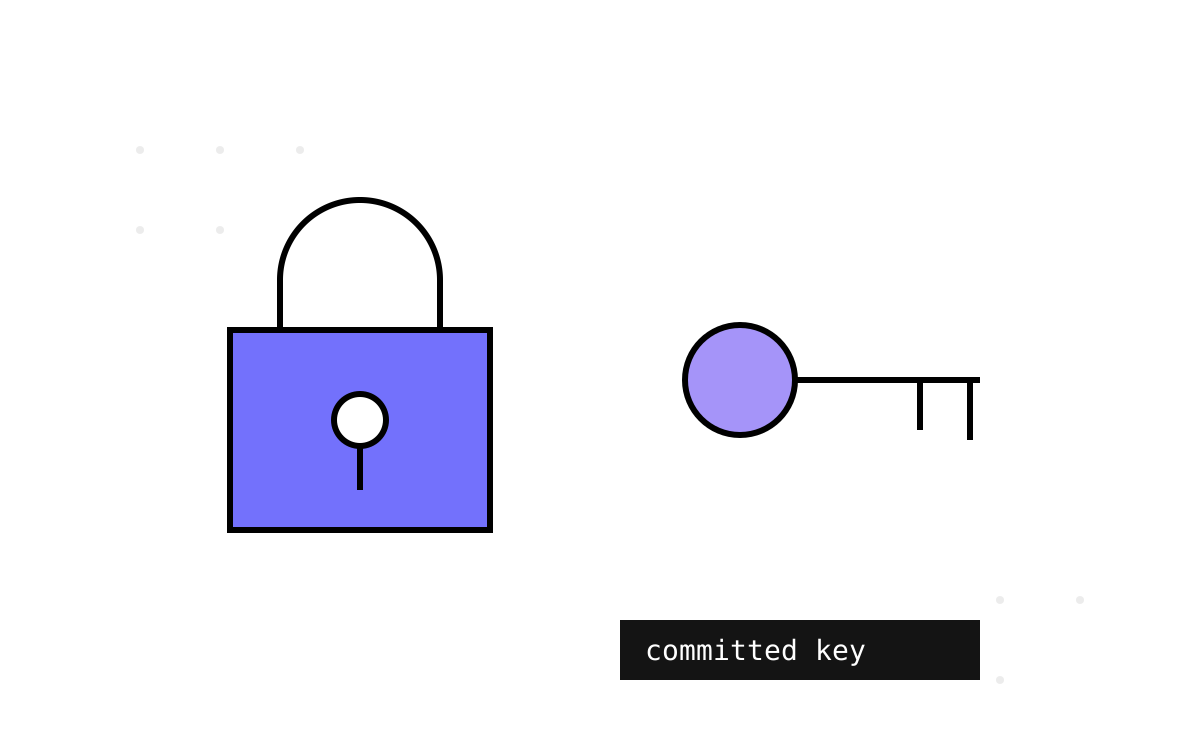
The Identity service gets the hard parts of auth genuinely right - issue, refresh, revoke - and then commits its signing key to source control and ships a CORS policy the spec forbids. Part 13 of Nine Services and a Message Bus.
Nine DShop services ship a tests folder and only one of them tests anything - a census where five test projects cannot even see the code they claim to cover and the lone unit test asserts a thing that never happens. Part 14 of Nine Services and a Message Bus.
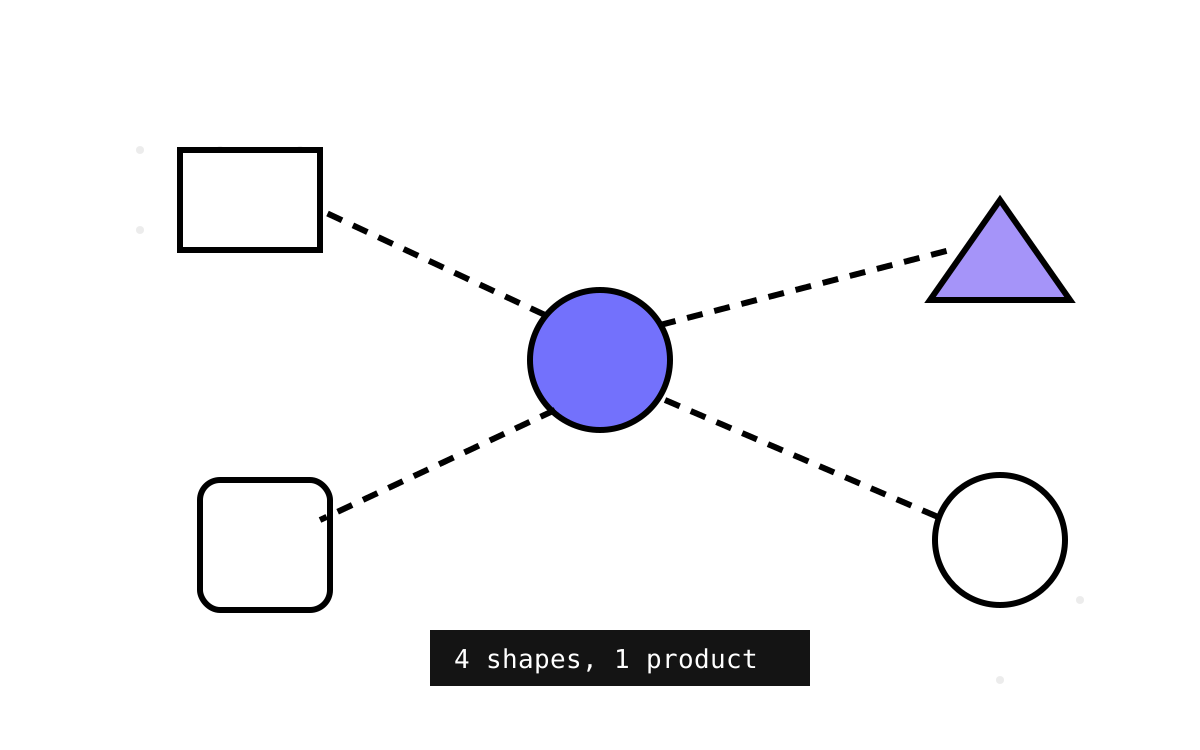
A single product identity is represented four ways across four DShop services - owner, replica, cart snapshot, order snapshot - each on its own refresh discipline, and nothing masters the set. Part 12 of Nine Services and a Message Bus.
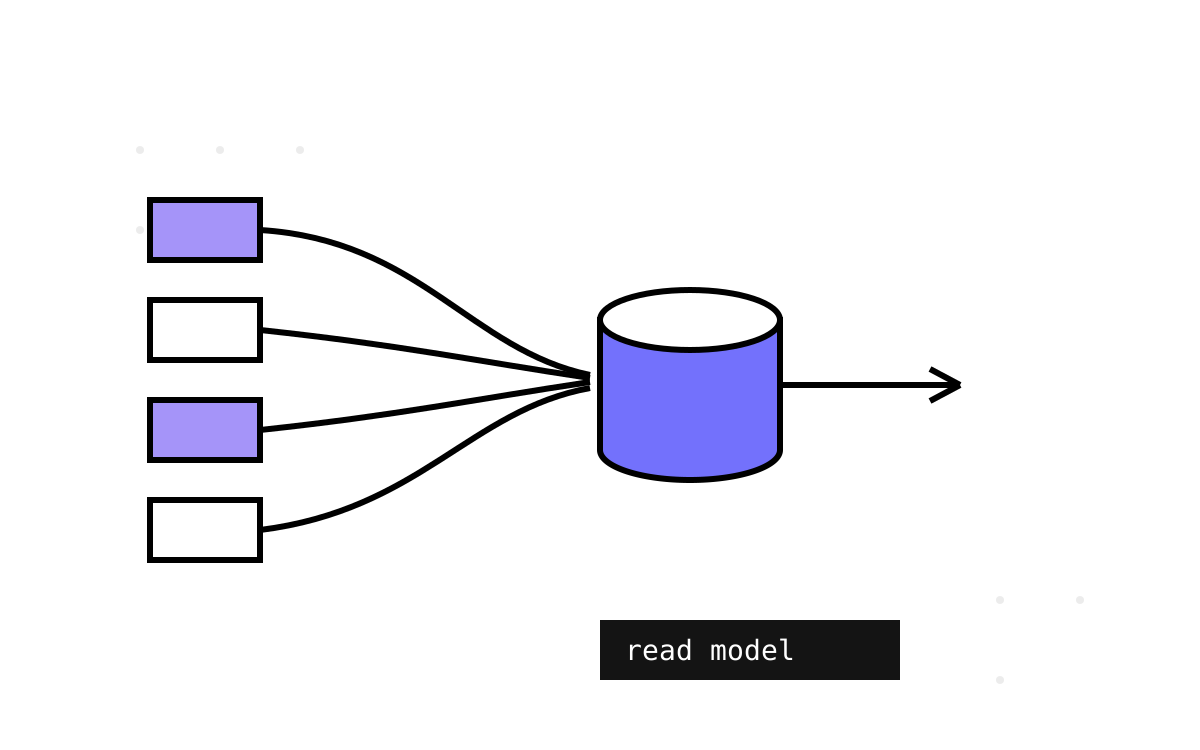
Storage subscribes to almost every event in DShop, serves read-only queries, and owns nothing it cannot rebuild - the read side of a CQRS split that runs across a service boundary instead of inside one. Part 10 of Nine Services and a Message Bus.
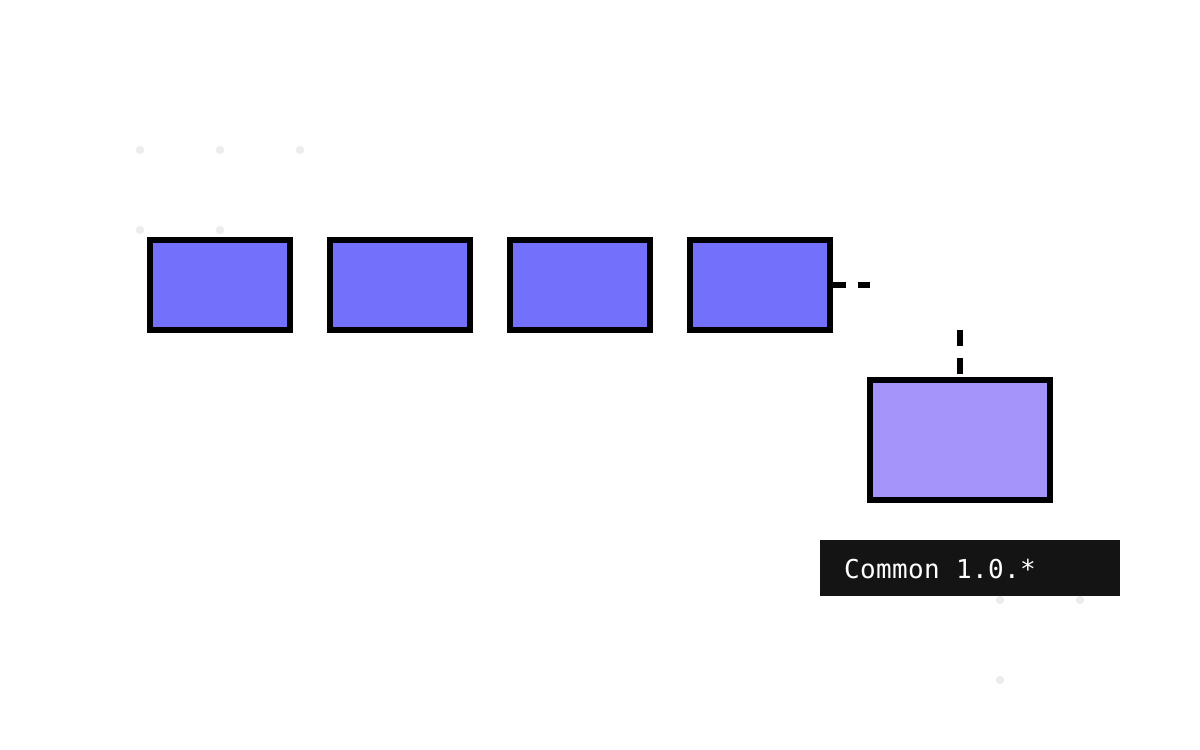
One DShop service targets a different framework, references a frozen NuGet package, and calls an API that no longer exists in the repo - so its Debug configuration cannot compile, and it only builds in Release. Part 11 of Nine Services and a Message Bus.
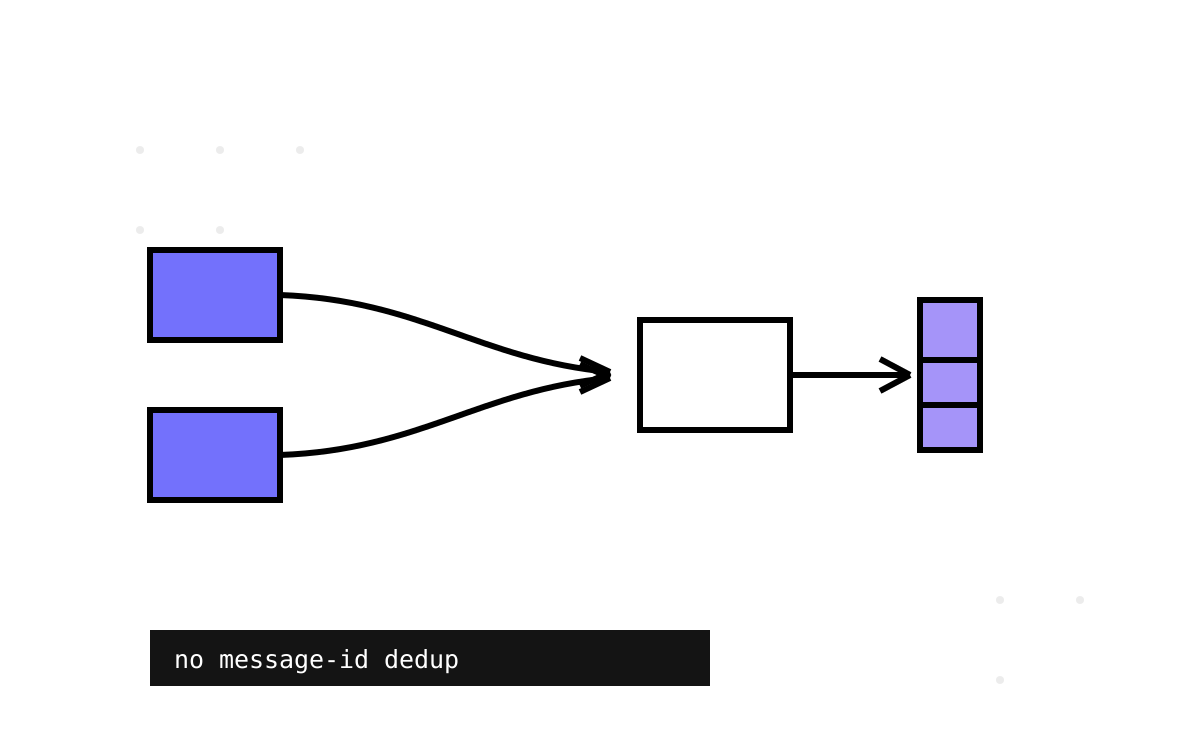
DShop runs competing consumers over an at-least-once bus with no message-id dedup, so a redelivered reservation decrements stock twice - the estate aspires to idempotency and enforces none of it. Part 9 of Nine Services and a Message Bus.
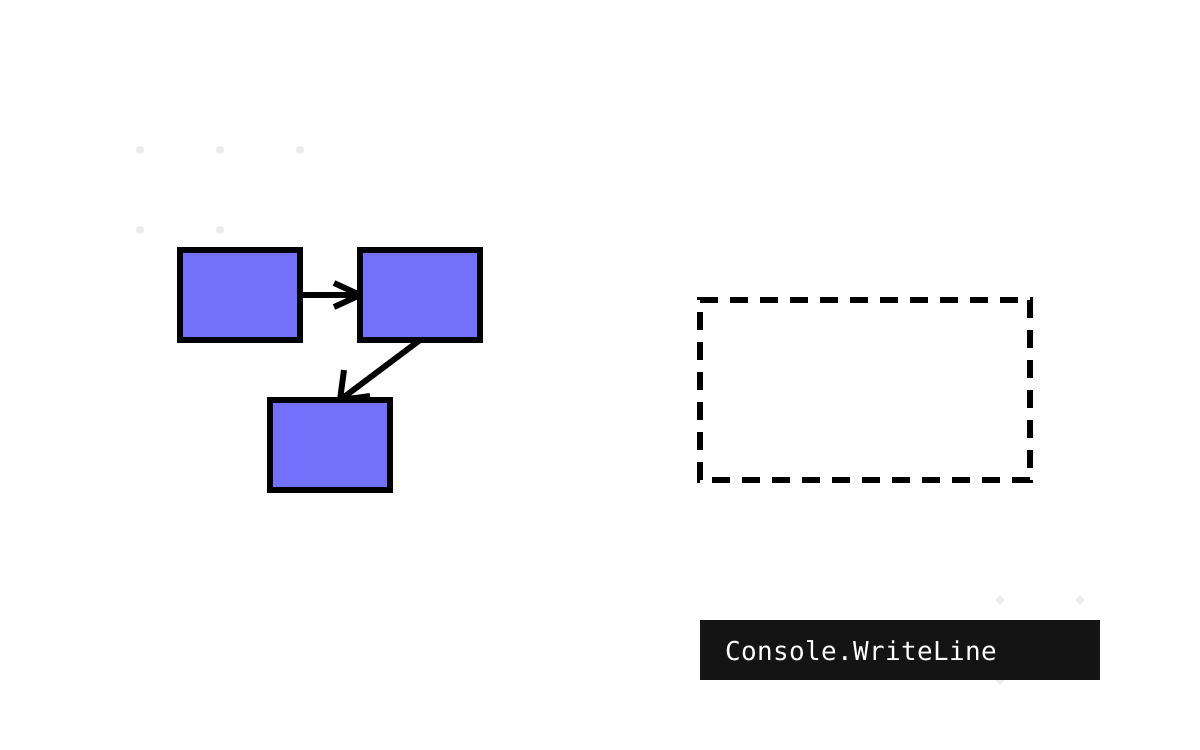
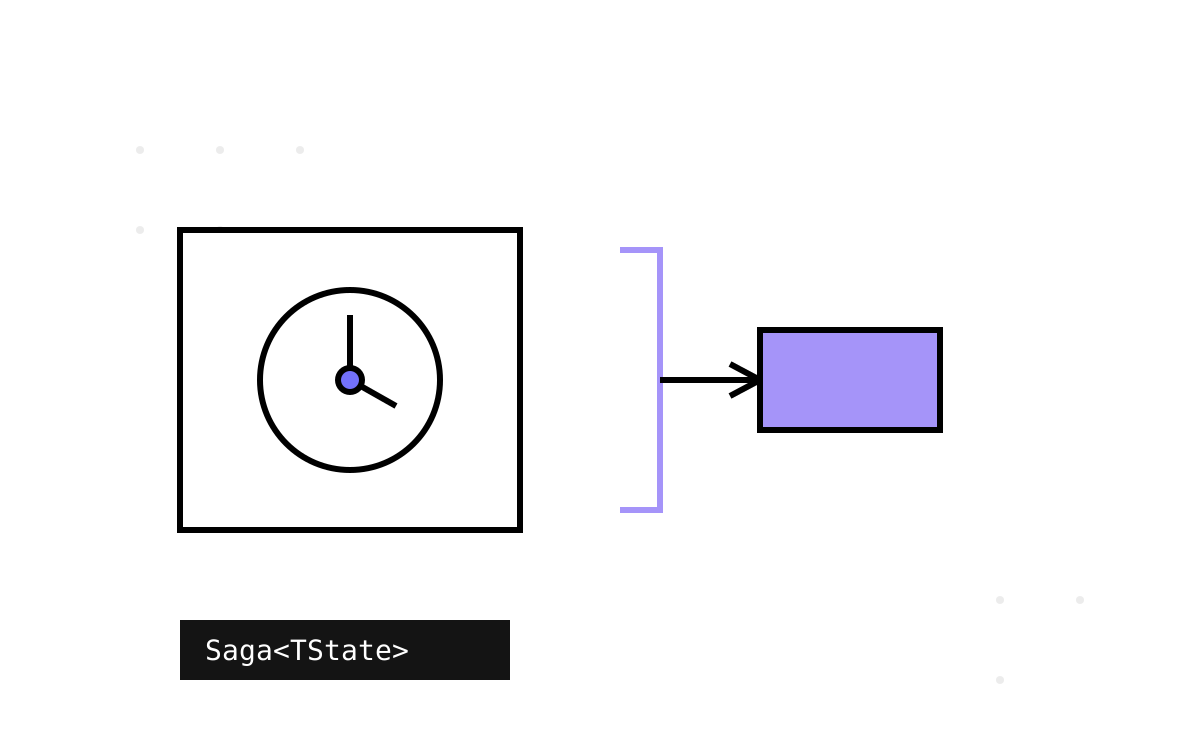
A stateful DShop saga remembers when a customer signed up and grants a discount only if their first order lands within 24 hours - a genuinely stateful process manager whose reward turns out to be a Console.WriteLine. Part 7 of Nine Services and a Message Bus.
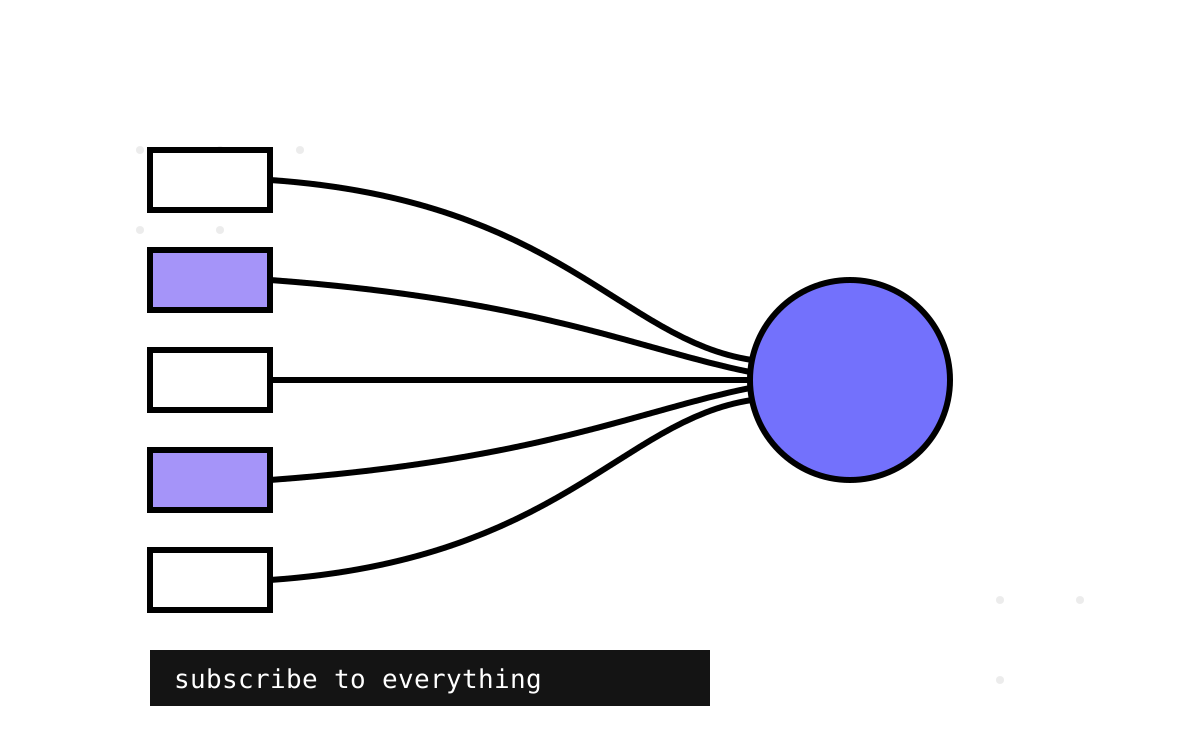
Operations subscribes to every command and event in the estate by reflection and routes them through two open-generic handlers - a neat trick with one dead limb the wiring can never light. Part 8 of Nine Services and a Message Bus.
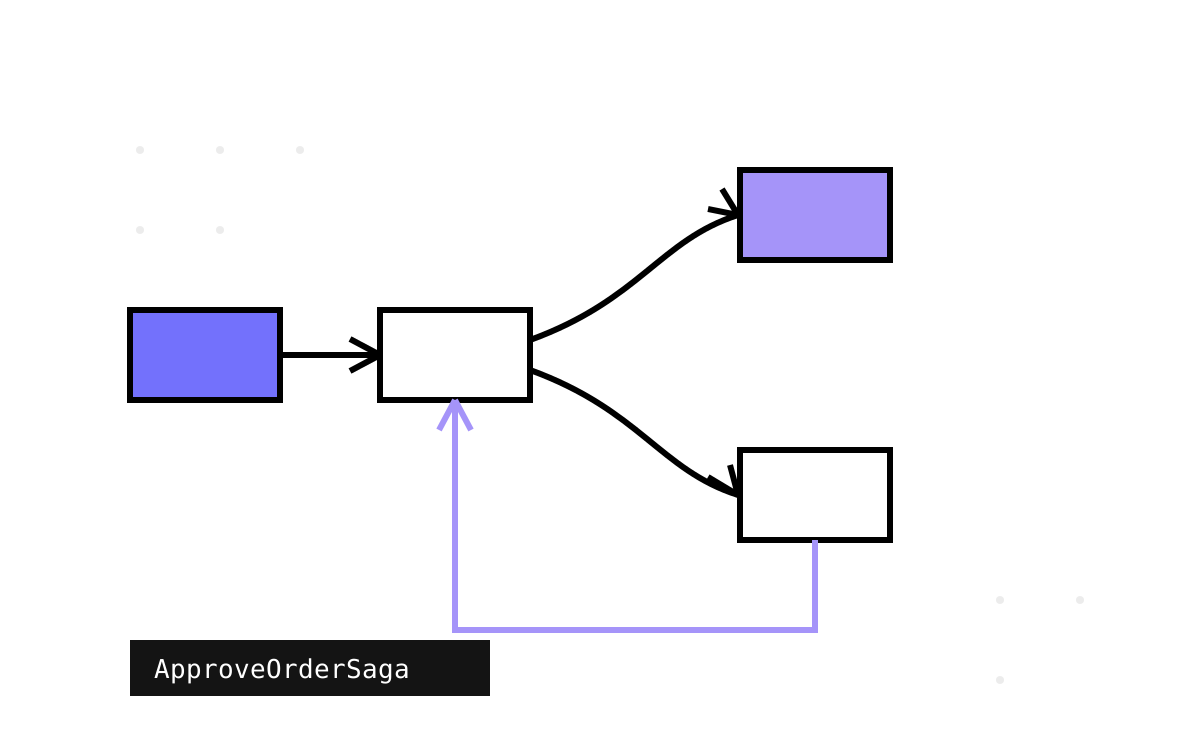
Operations drives an order from created to approved across three services, and rolls it back when a step fails - a textbook process manager with compensation, read from the real Chronicle-backed source. Part 6 of Nine Services and a Message Bus.
DShop answers the shared-kernel question twice - eight services copy every event contract locally, one references a shared package - and both answers are in the same estate with their real costs on show. Part 4 of Nine Services and a Message Bus.
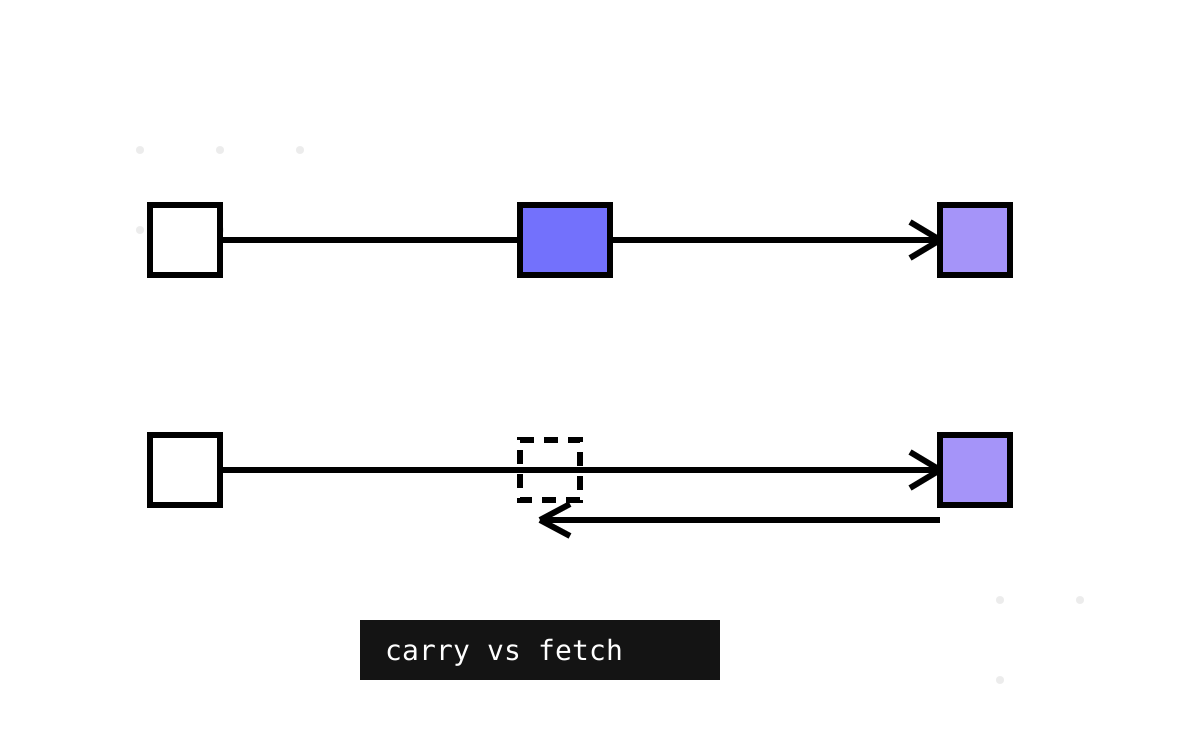
DShop moves data between services two opposite ways - one rebuilds a local replica from the event payload, the other treats the event as a doorbell and fetches over HTTP - and the estate runs both at once. Part 5 of Nine Services and a Message Bus.
The same event is declared three times across DShop, and one copy quietly drops a field - here is the contract drift in the real source and the canonical-model cure that would have caught it. Part 3 of Nine Services and a Message Bus.
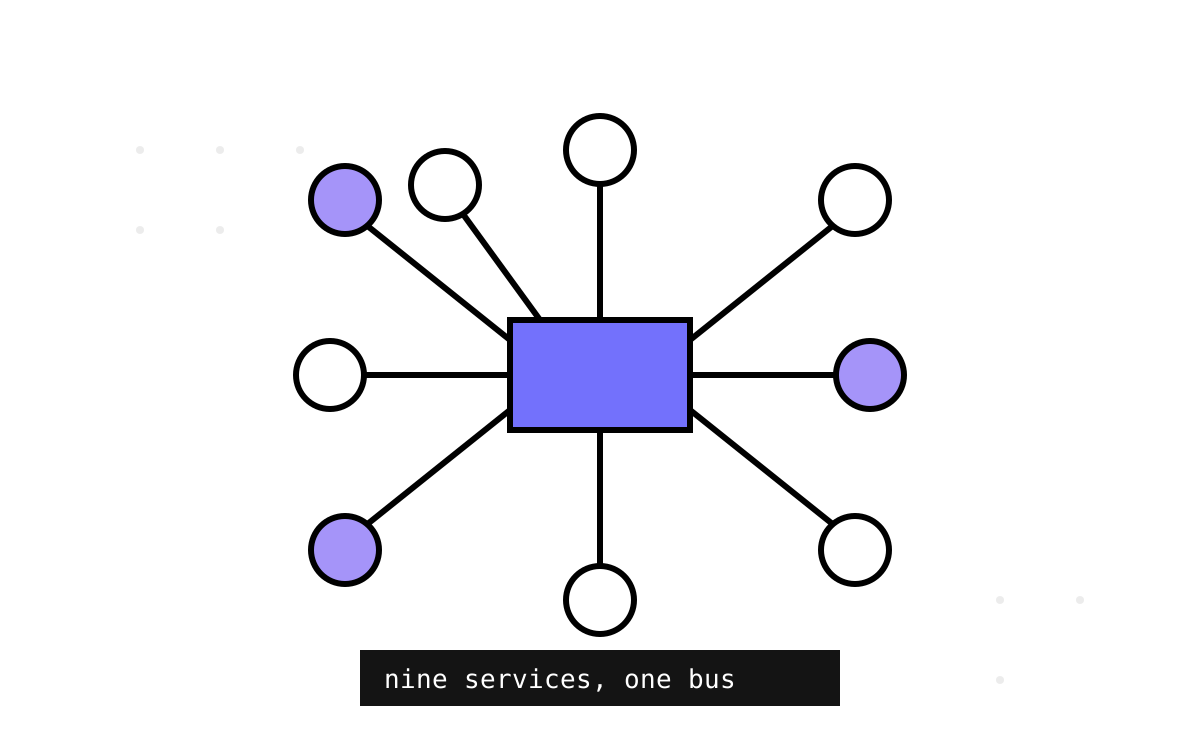
DShop is one e-commerce shop stamped out as nine microservices over RabbitMQ - this series reads the real source to see how the topology holds together and where it drifts. Part 1 of Nine Services and a Message Bus.
Nine DShop services share one skeleton stamped out by hand - and the places they quietly disagree teach more than the places they match. A drift catalogue read from the real source. Part 2 of Nine Services and a Message Bus.
Convey did not appear from nowhere and it does not stand alone. DShop, Pacco, Ntrada, Chronicle, Pactify — the DevMentors constellation the toolkit grew out of and feeds into, which repo to study for what, and the close of both series.
There is no dotnet new template and no CLI — Convey's onboarding is docs, samples and source. Reading the repo-of-repos layout and its packing scripts, then walking the actual path: build your first service from an empty project, one config section at a time.
Twenty-two parts of source reading and not one about tests. How Convey's design choices land on your test suite: handlers that fake beautifully, an exposed host builder for integration tests, config flags as test infrastructure, and conventions that deserve a pin.
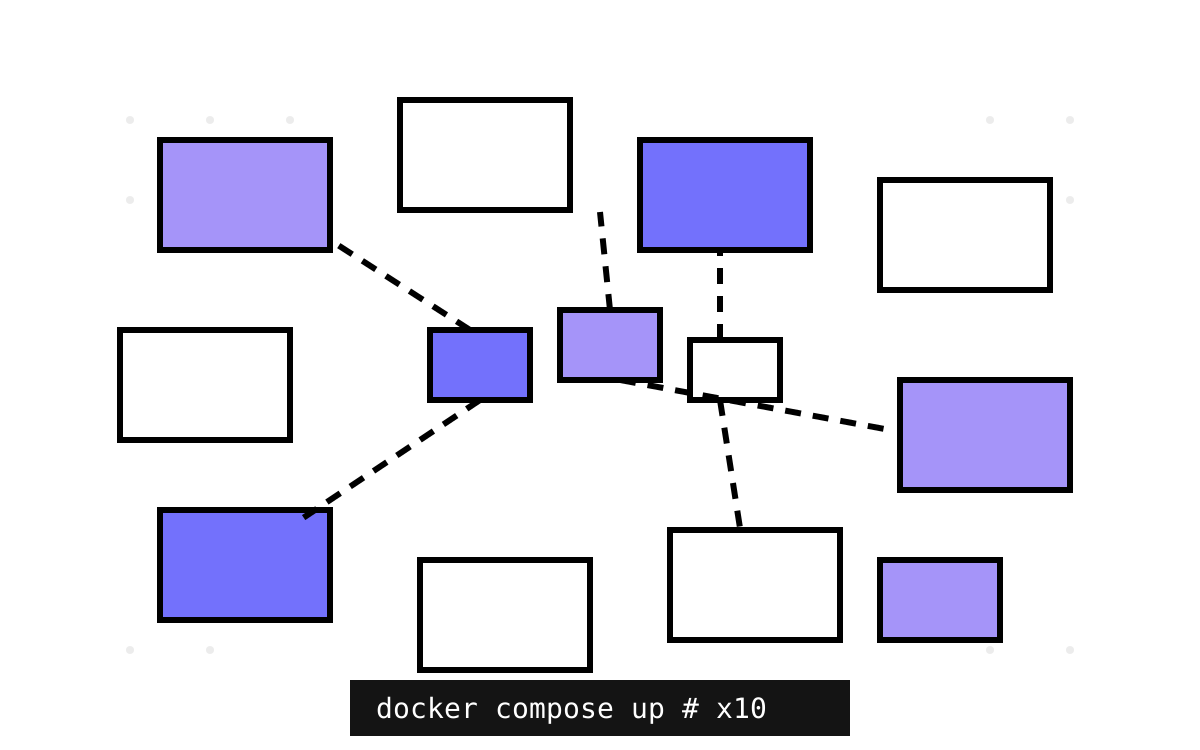
Three toy services, ten infrastructure containers. Reading Convey's docker-compose stack as the honest bill of the chassis: what each container is for, which volumes actually persist, the per-OS variants, and what I would cut in 2026.
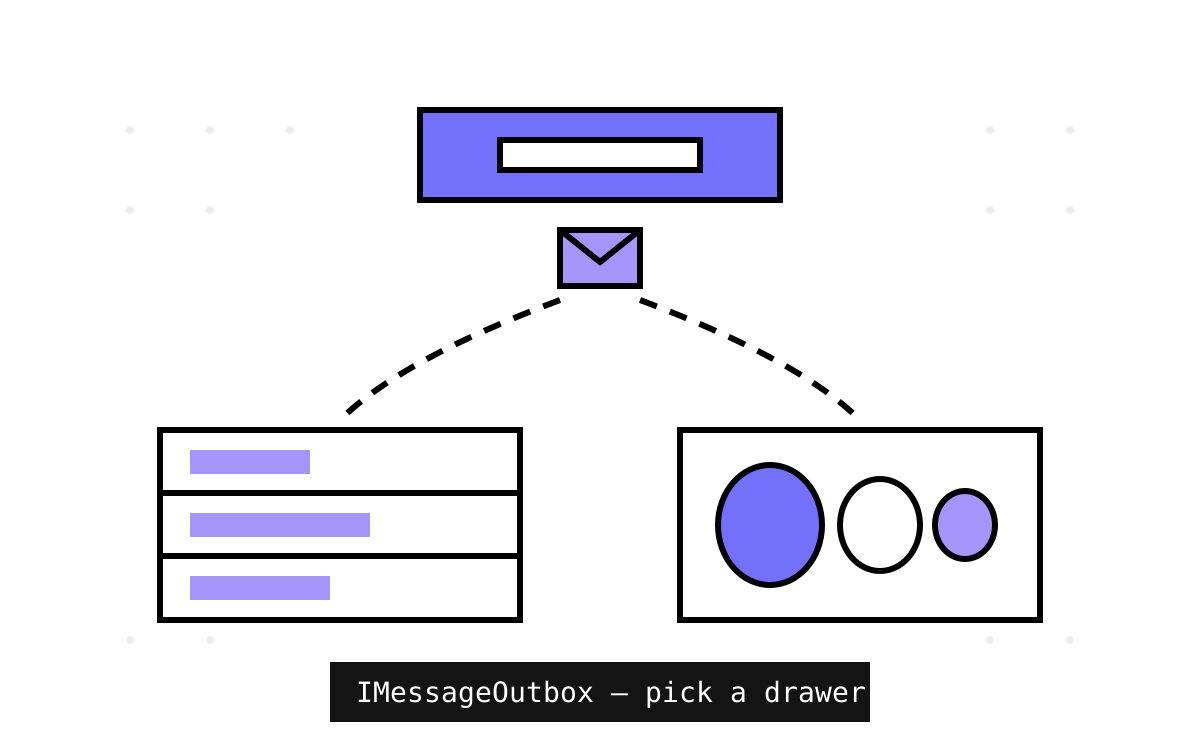
The parent series covered the outbox pattern; it never compared the implementations. Entity Framework gets a real transaction, Mongo gets sessions you can switch off, expiry is three different mechanisms — and the processor that drains them all is a fire-and-forget timer.