What the Framework Doesn't Have
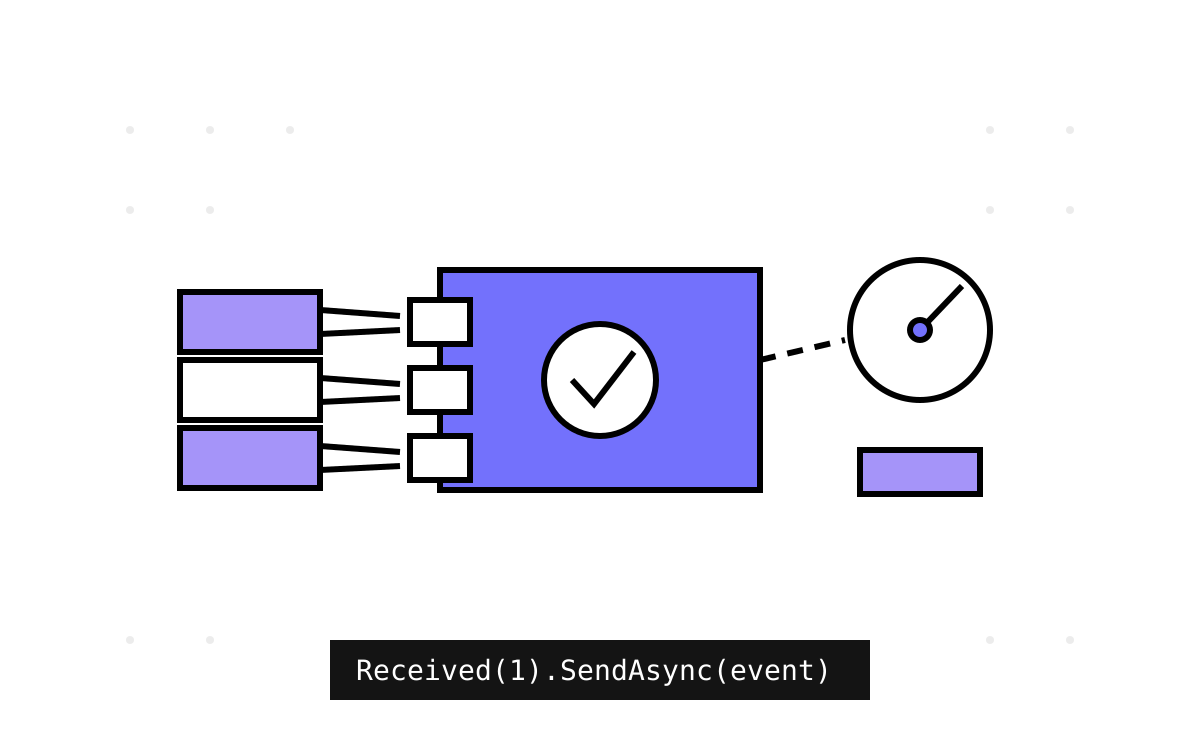
An audit of the messaging patterns DShop.Common leaves out - no outbox, no inbox, no consumed dead-letter - and how each absence became a Convey package.
Newest first, grouped by year. Search or filter by topic.
An audit of the messaging patterns DShop.Common leaves out - no outbox, no inbox, no consumed dead-letter - and how each absence became a Convey package.
A complete broker-requeue retry implementation sits in DShop.Common's subscriber, fully written and never called - and its comment explains exactly why.
DShop.Common decides a message's fate from the type of exception a handler throws - domain failures become events, infrastructure failures get retried.
DShop.Common's correlation context threads request identity through every message hop - and a long positional argument list quietly transposes half its fields.
In DShop.Common a command and an event are published by identical code - the difference between them is a marker interface and a promise nothing enforces.
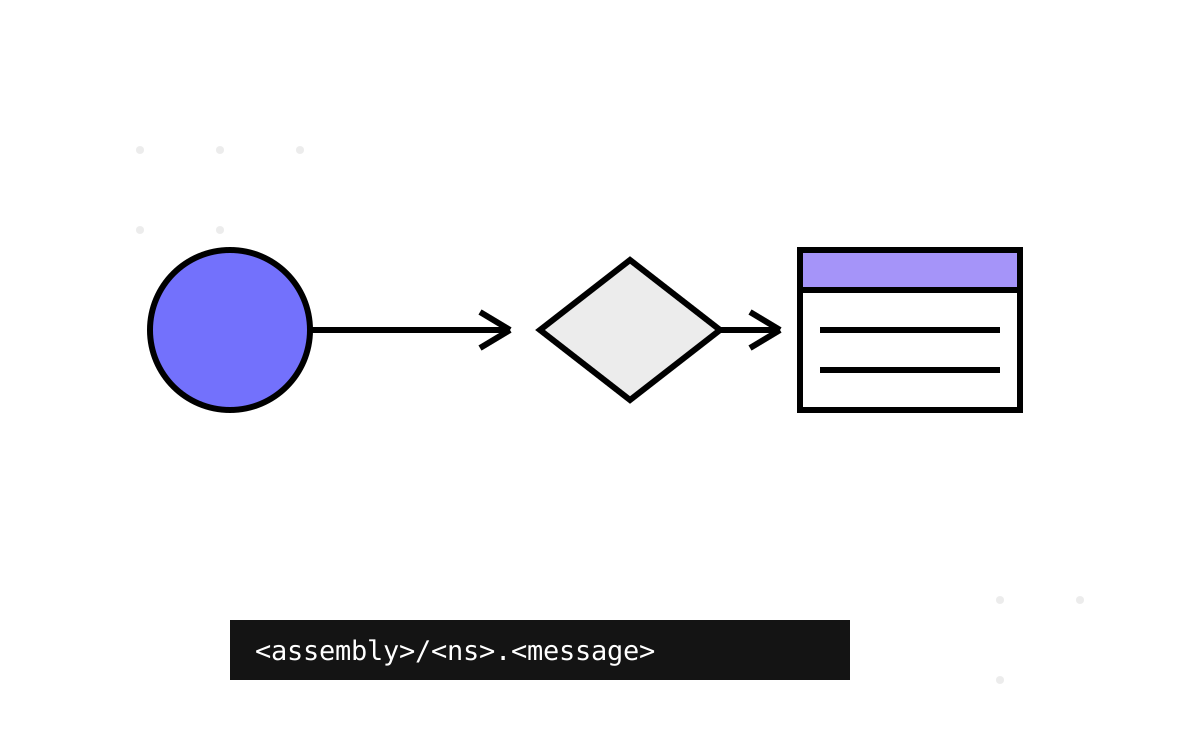
One naming class in DShop.Common decides every exchange, routing key and queue in the estate - the message topology is a string-formatting problem.
DShop.Common is the shared library nine microservices were built on - and the rough draft of a framework its authors later shipped as Convey.
Convey did not appear from nowhere and it does not stand alone. DShop, Pacco, Ntrada, Chronicle, Pactify — the DevMentors constellation the toolkit grew out of and feeds into, which repo to study for what, and the close of both series.
There is no dotnet new template and no CLI — Convey's onboarding is docs, samples and source. Reading the repo-of-repos layout and its packing scripts, then walking the actual path: build your first service from an empty project, one config section at a time.
Twenty-two parts of source reading and not one about tests. How Convey's design choices land on your test suite: handlers that fake beautifully, an exposed host builder for integration tests, config flags as test infrastructure, and conventions that deserve a pin.
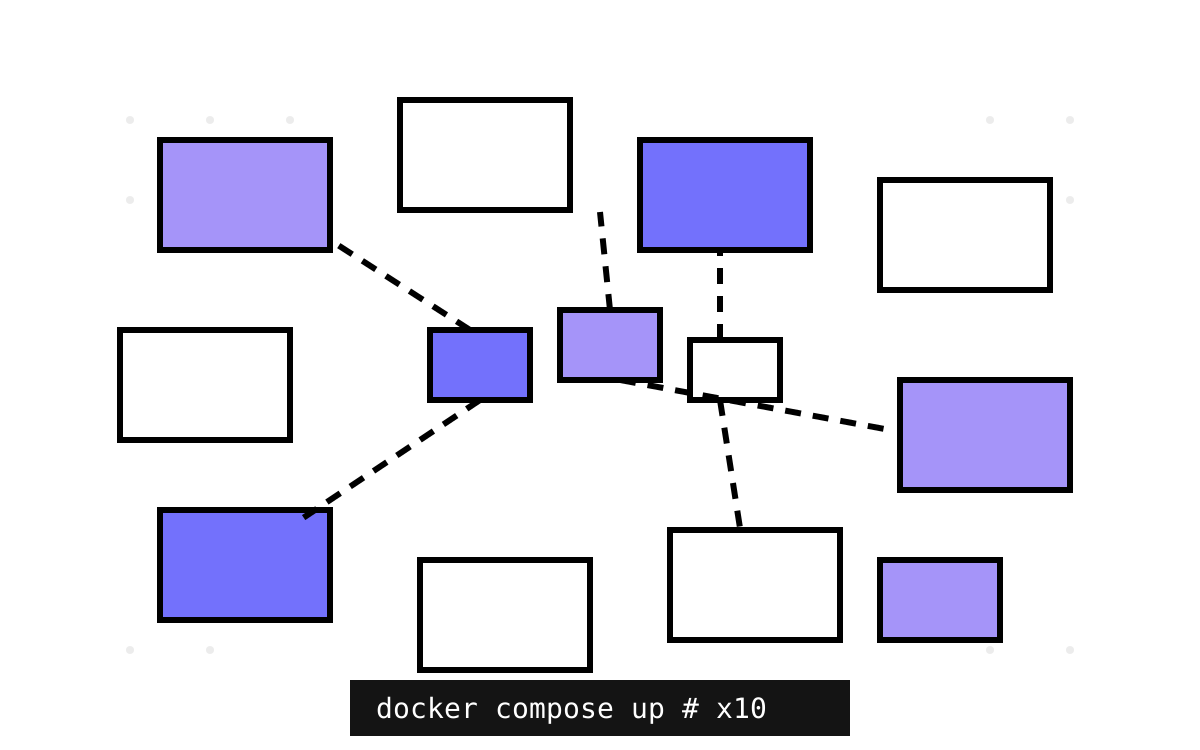
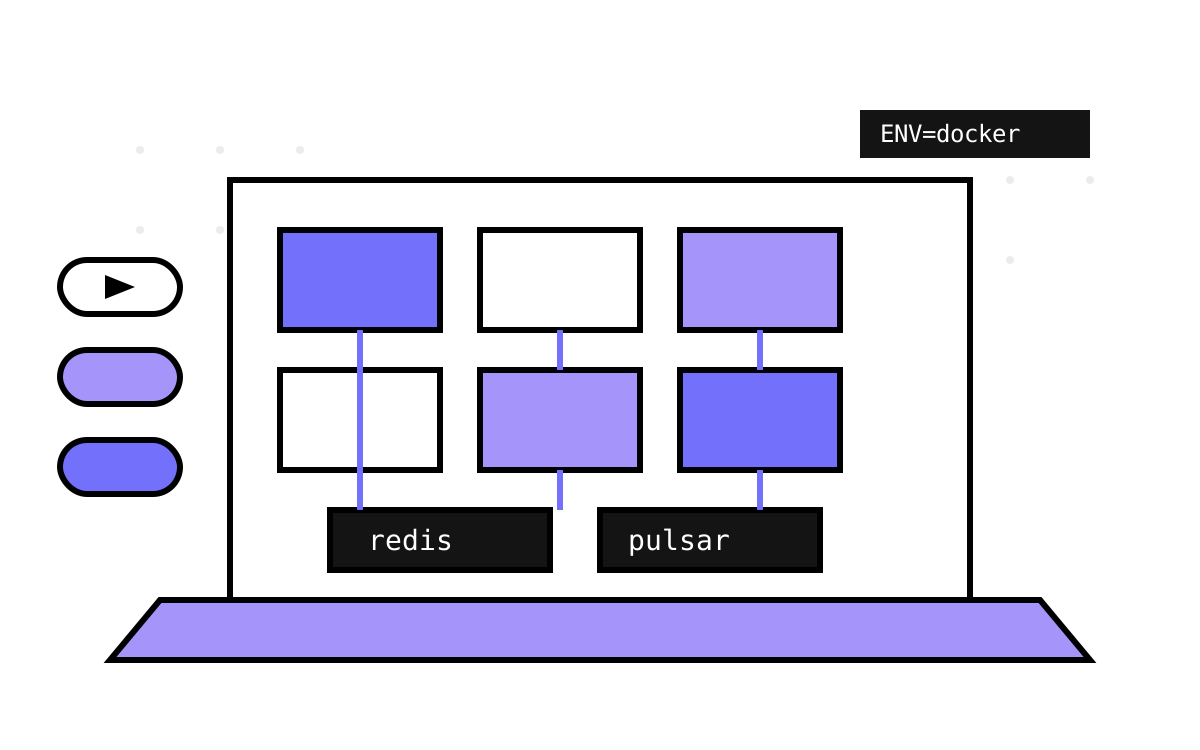
Three toy services, ten infrastructure containers. Reading Convey's docker-compose stack as the honest bill of the chassis: what each container is for, which volumes actually persist, the per-OS variants, and what I would cut in 2026.
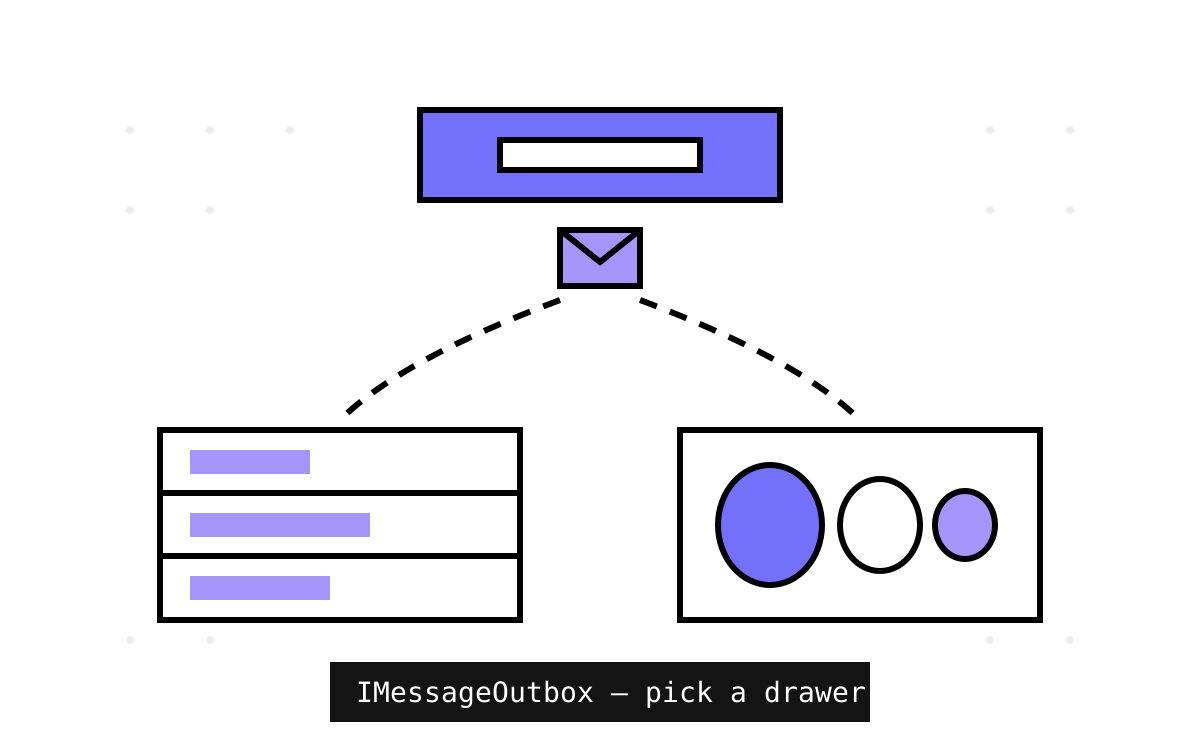
The parent series covered the outbox pattern; it never compared the implementations. Entity Framework gets a real transaction, Mongo gets sessions you can switch off, expiry is three different mechanisms — and the processor that drains them all is a fire-and-forget timer.
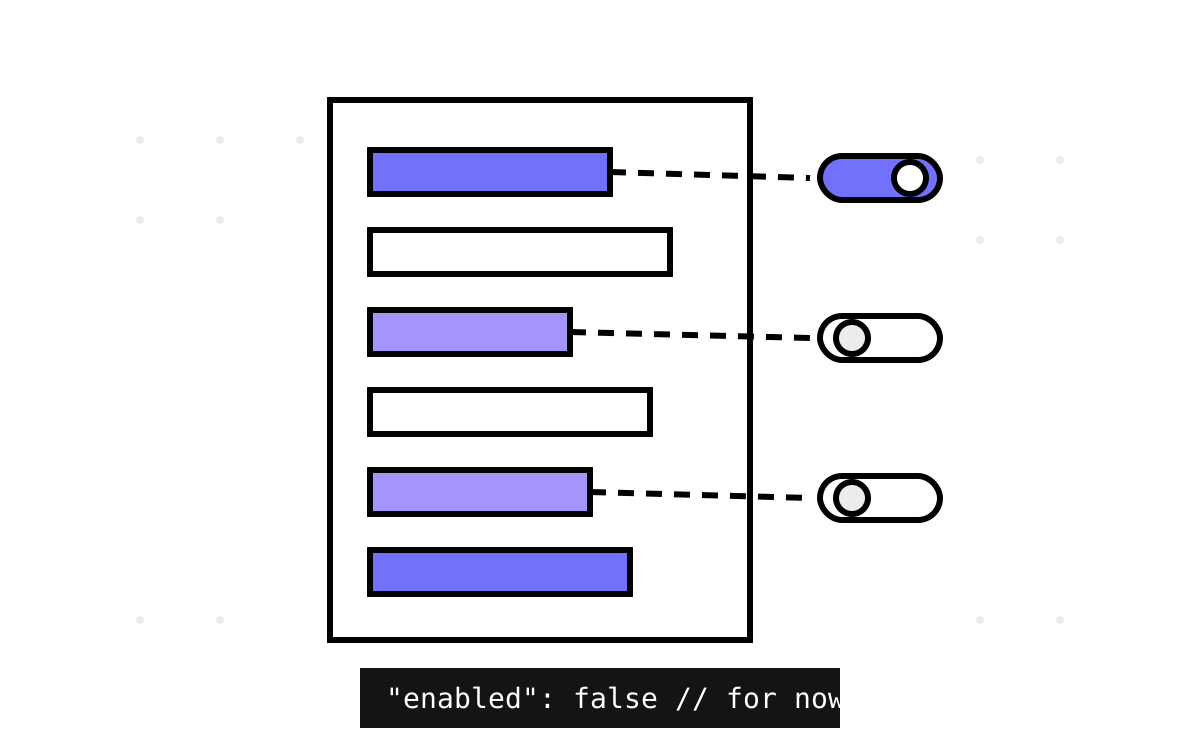
Convey's real manifest is not Program.cs — it is the config file. Reading the Orders sample's appsettings.json as a single artifact: the section-per-package convention, the fleet of enabled:false switches, and what the defaults quietly tell you about production.
Convey.Persistence.OpenStack.OCS is the package the whole first series skipped — a hand-rolled Swift object-storage client with Keystone auth, an operation-result pattern, a server-side COPY verb, and a re-authentication habit worth learning from.
The 22-part Convey series read the packages; it never once walked the sample system that ships with them. Opening the missing chapters with the trip an order takes through Orders, Pricing and Deliveries — and what the samples quietly teach that no package README does.
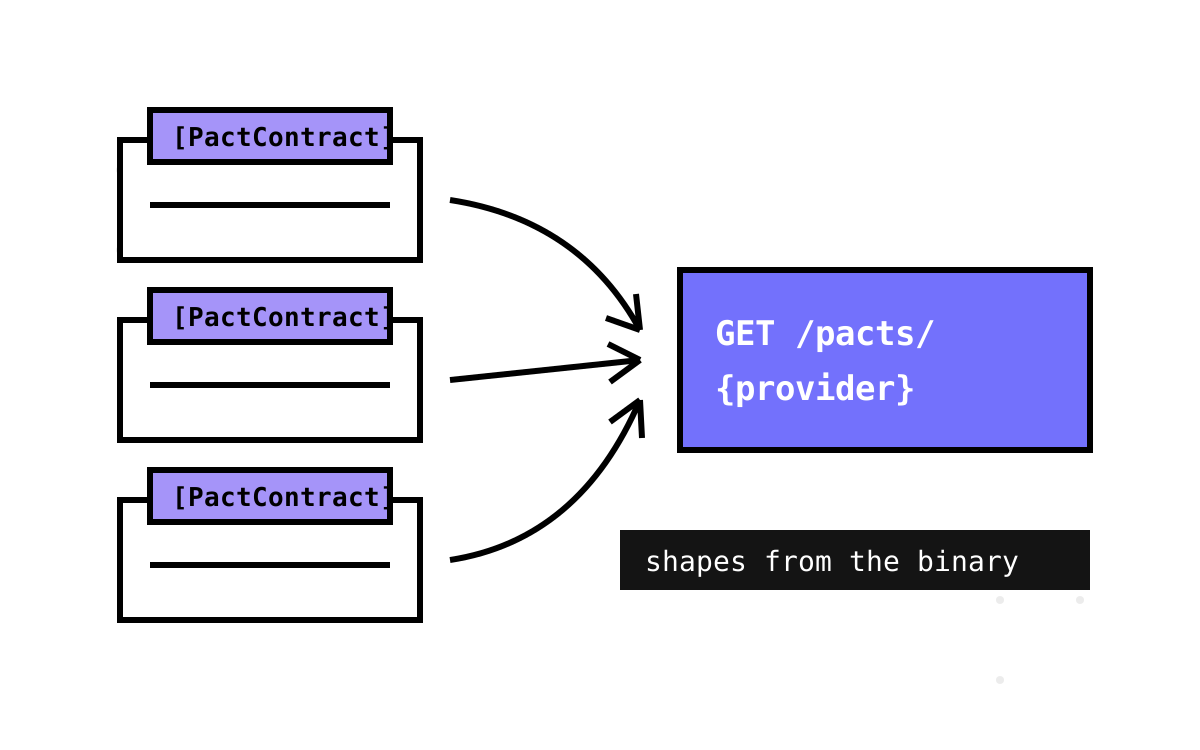
Pactify.AspNetCore in one sitting: an attribute, an assembly scan, and a /pacts/{provider} endpoint that serves your contract classes as live JSON - plus what a runtime contracts endpoint is really for.
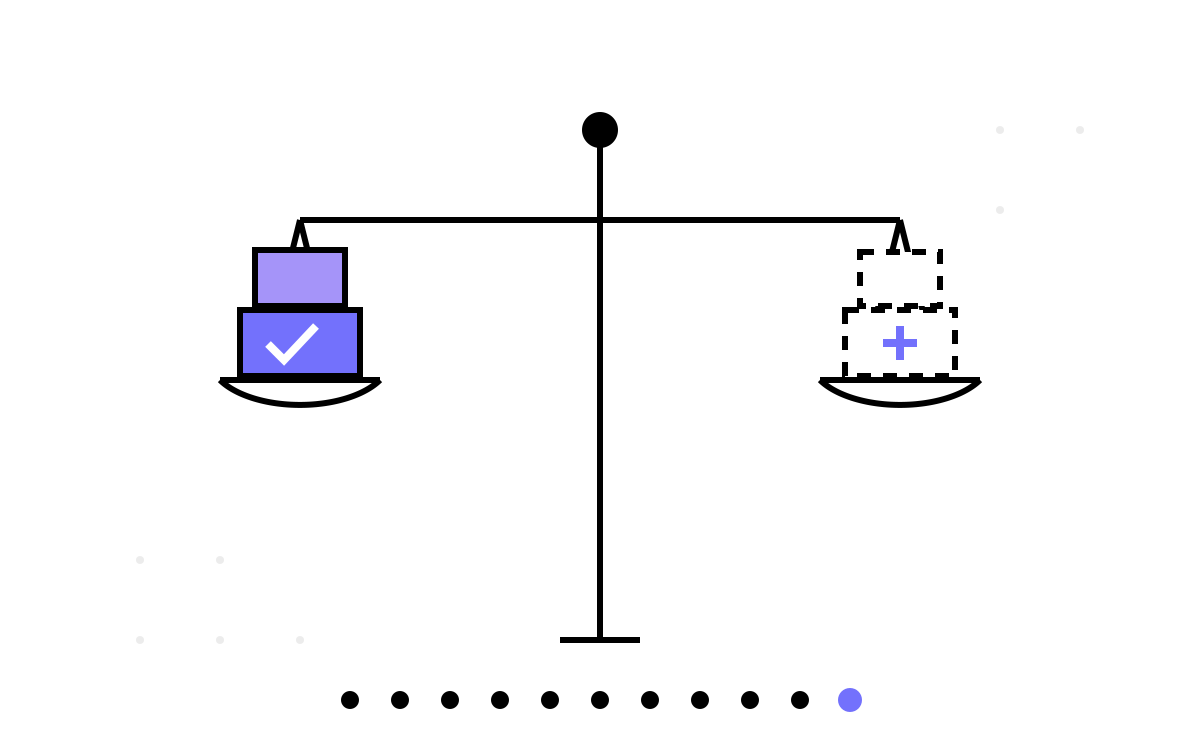
The series retrospective - what a thirty-file library taught me that a full-featured one couldn't, Pactify's honest limit list versus PactNet, the broker maturity ladder, and the org-shaped question hiding under the tooling.
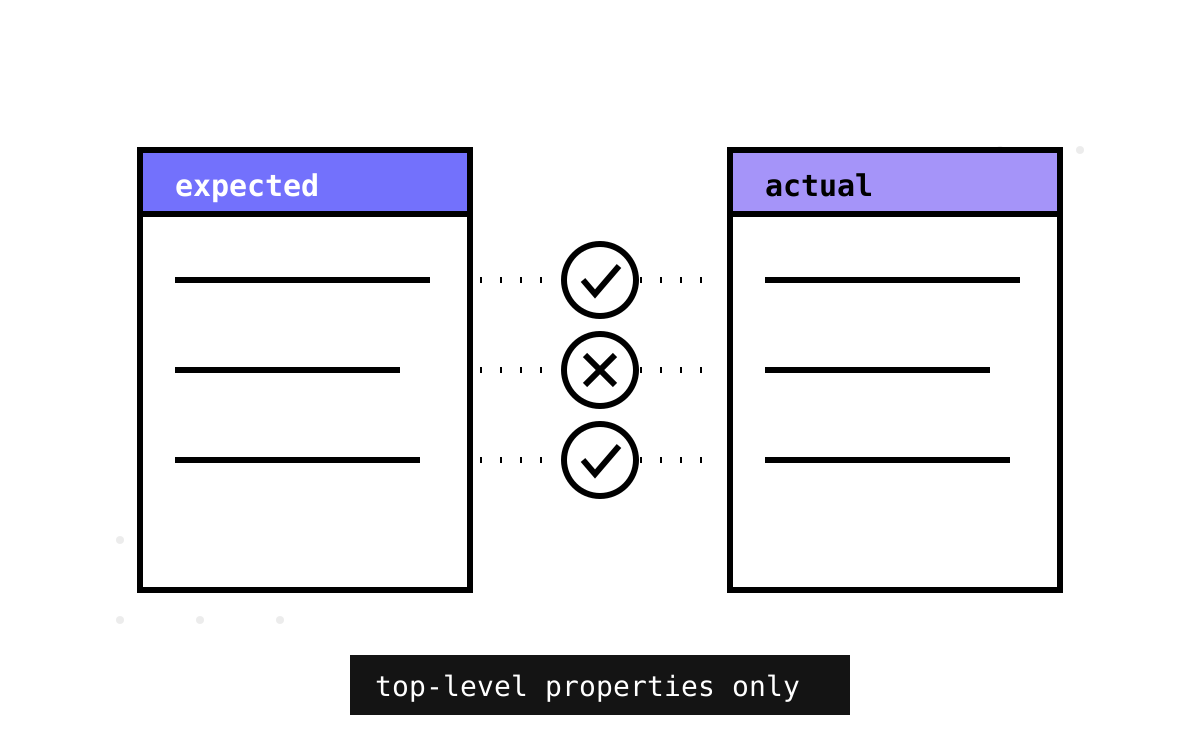
A line-by-line read of Pactify's matching engine - top-level-only body comparison, header names that ignore your casing option, nested objects that can never match, and two format-string bugs that crash the error path.
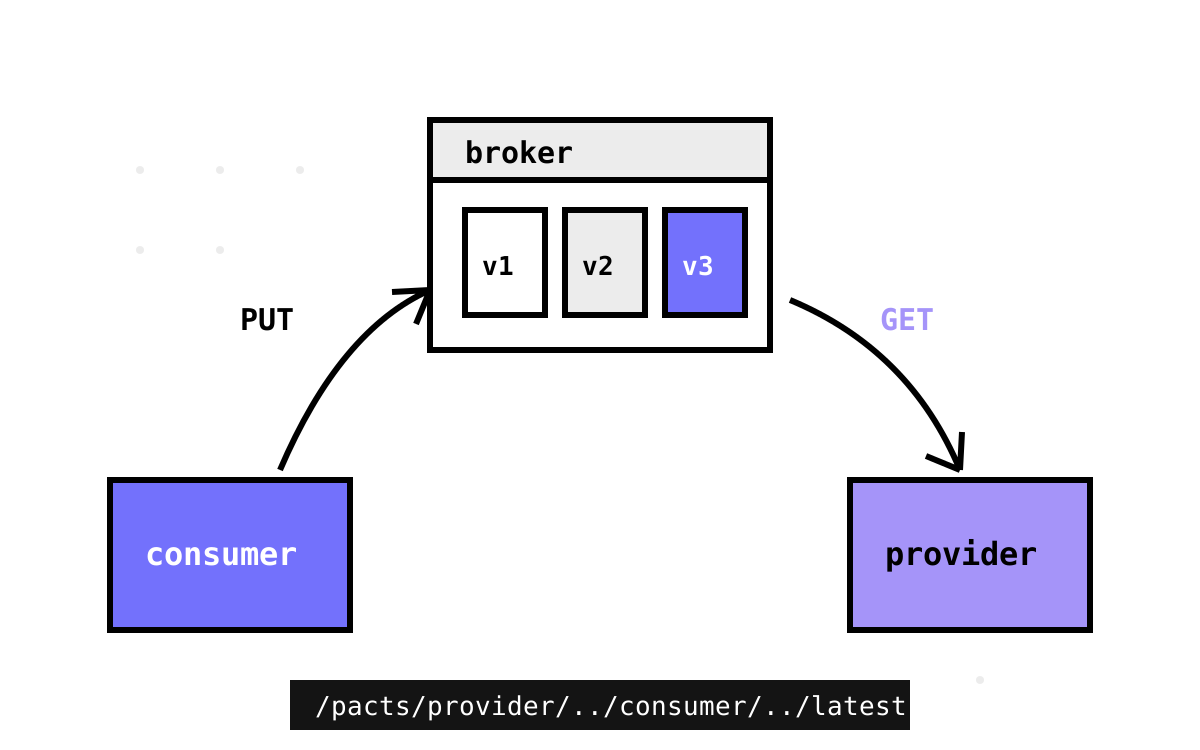
How a pact travels from the consumer's pipeline to the provider's - Pactify's file and HTTP publishers, Pact Broker URL anatomy, and the unchecked response status that makes a failed publish silently pass your build.
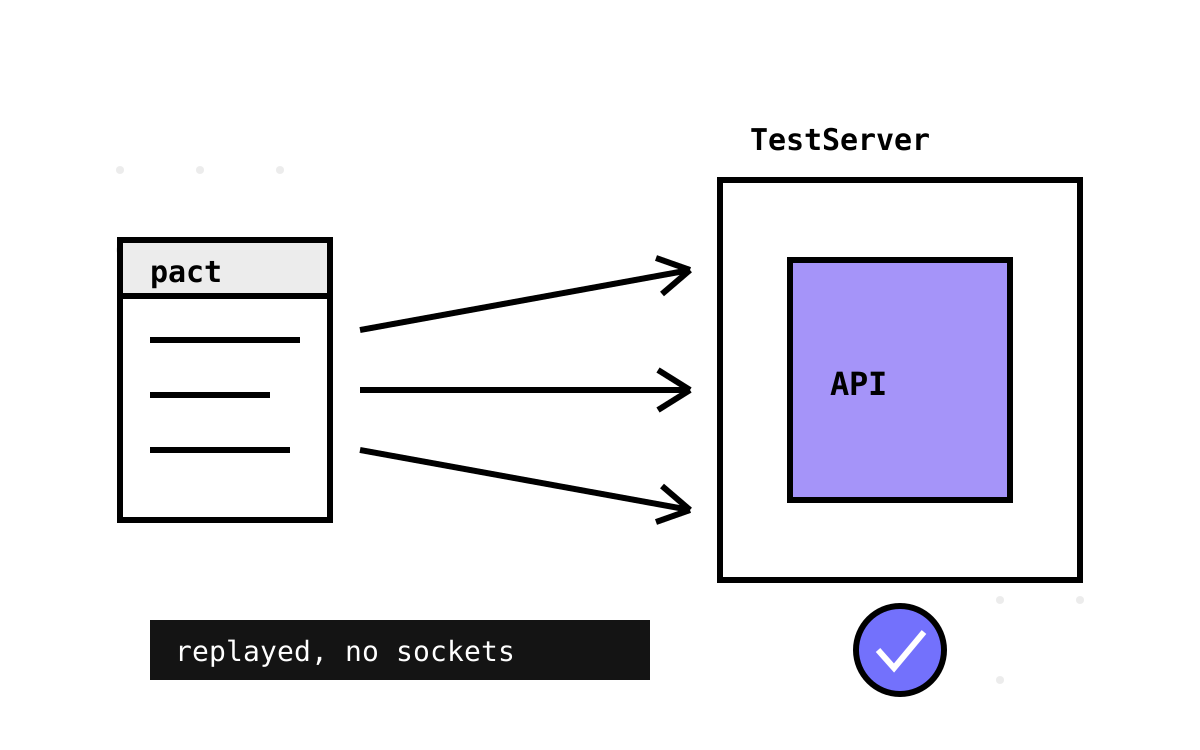
The provider side of Pactify - how CreateFor<Startup> hosts your whole API in memory with TestServer, why interactions verify concurrently, the SmartFormat trick behind endpoint templating, and the discovery that Given(...) never runs.
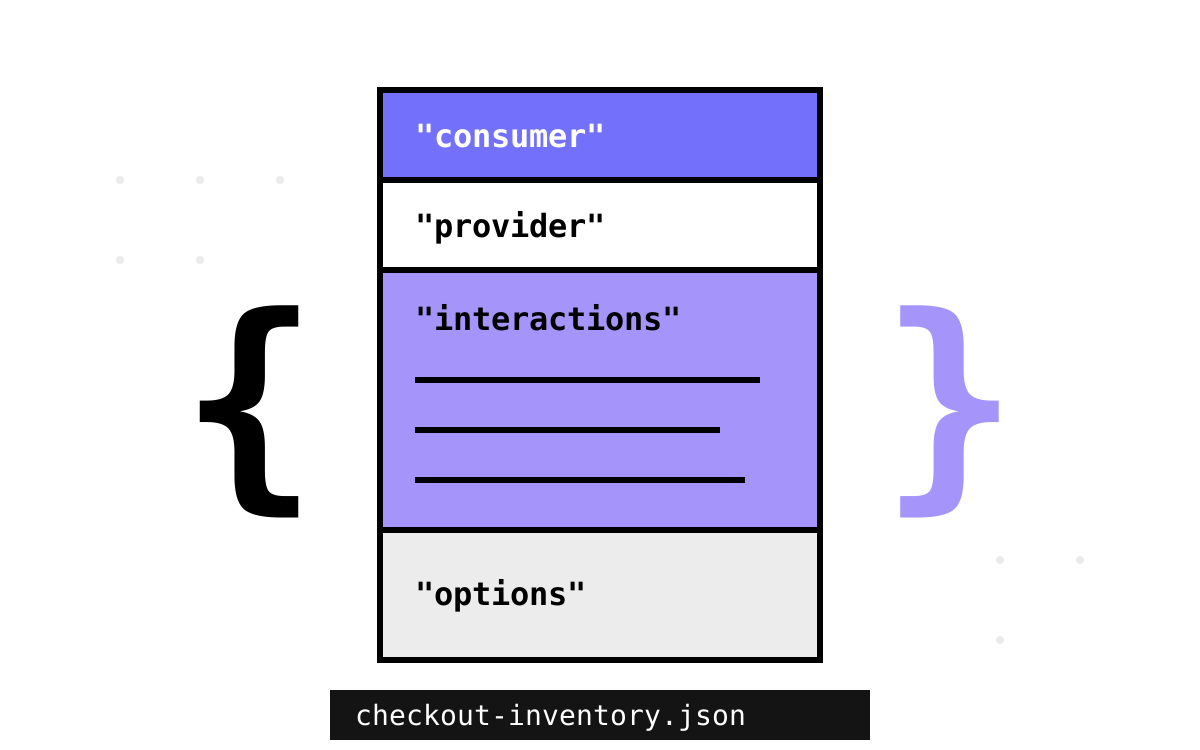
An annotated tour of the JSON document Pactify produces - the serializer settings that shape it, the snake_case field inherited from Pact v1, and the unusual decision to ship the consumer's matching options inside the contract itself.
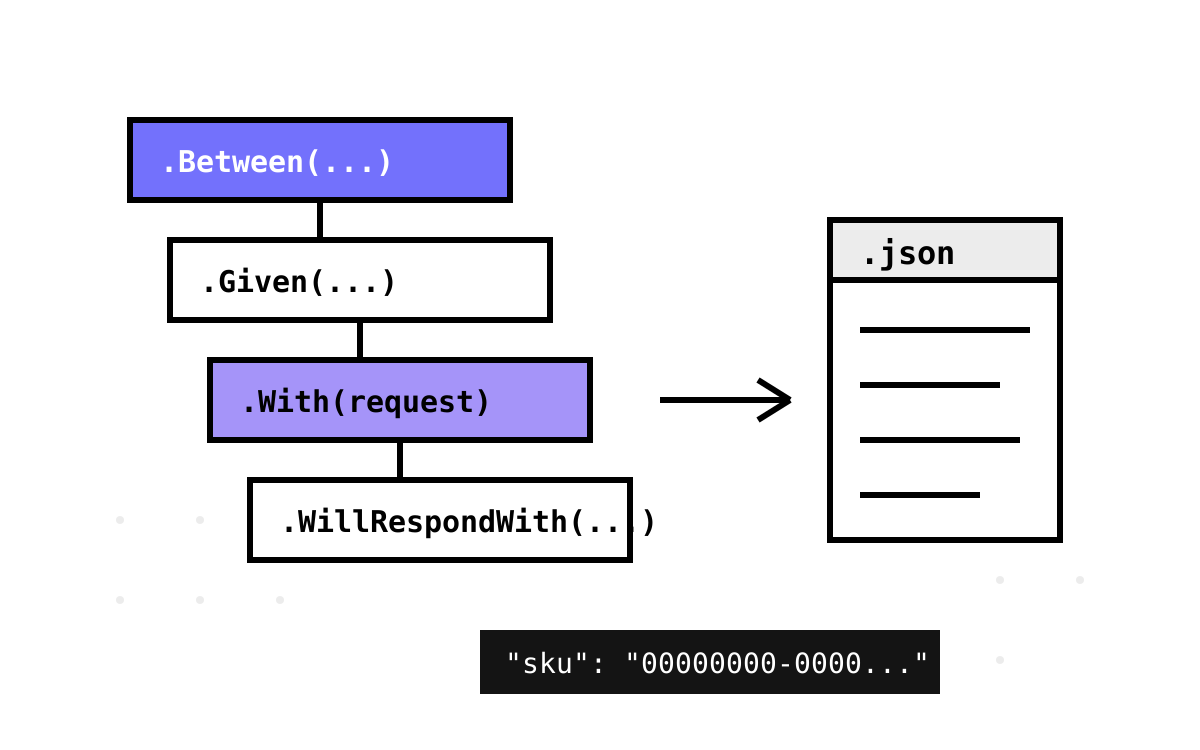
A walk through Pactify's PactMaker fluent API - the two-interface builder trick that hides Build() from you, why the consumer test always passes, and the uninitialized-object surprise inside WithBody<T>().
The retrospective: after ten parts inside DevMentors' real-time feeds sample, the honest scorecard - five decisions worth stealing for real systems, the sharp edges catalogued in one place, and the concrete backlog that separates this teaching codebase from a production deployment. Part 11 closes the FeedR deep dive.
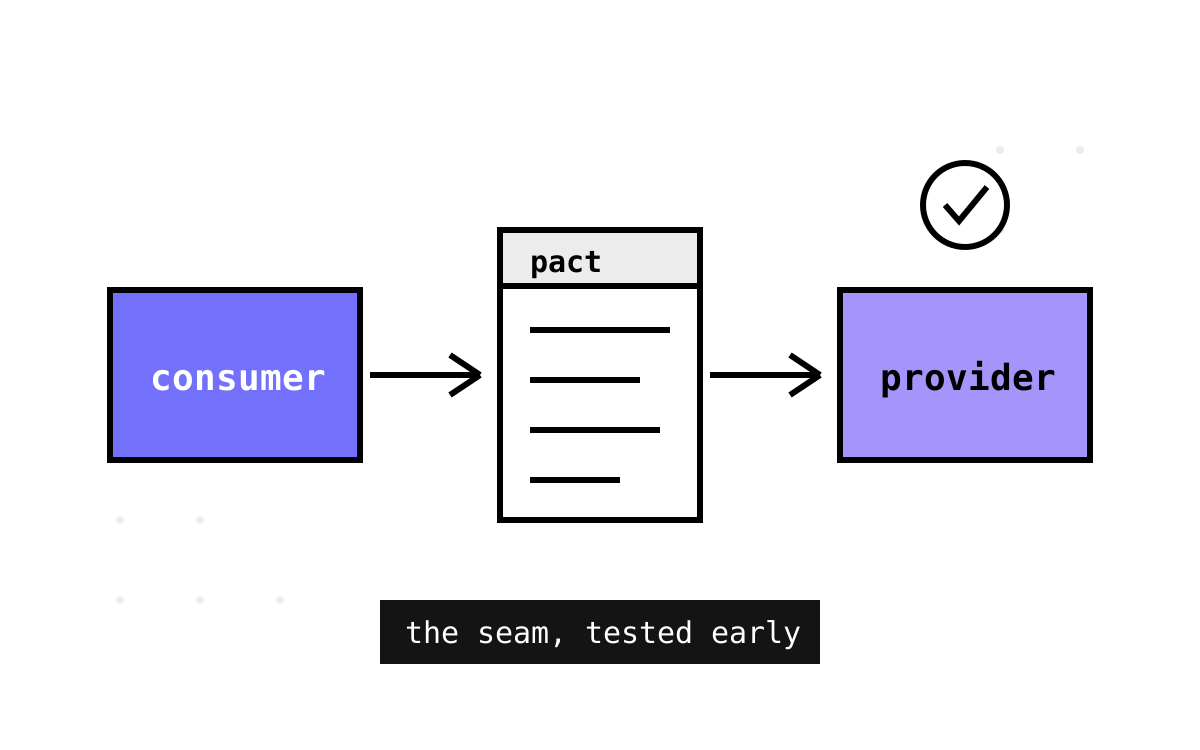
Unit tests mock what you assume, end-to-end tests tell you too late - consumer-driven contract testing closes the gap, and a small open-source .NET library called Pactify is the clearest way I know to learn how it works. Part 1 of a series.
FeedR ships three ways to run its six services - pm2, Project Tye, and a deliberately split pair of docker compose files - plus per-service Dockerfiles and an environment-keyed configuration layer that lets the same build run on localhost and inside a compose network. Part 10 of the FeedR deep dive.