When the Percentage Looks Wrong
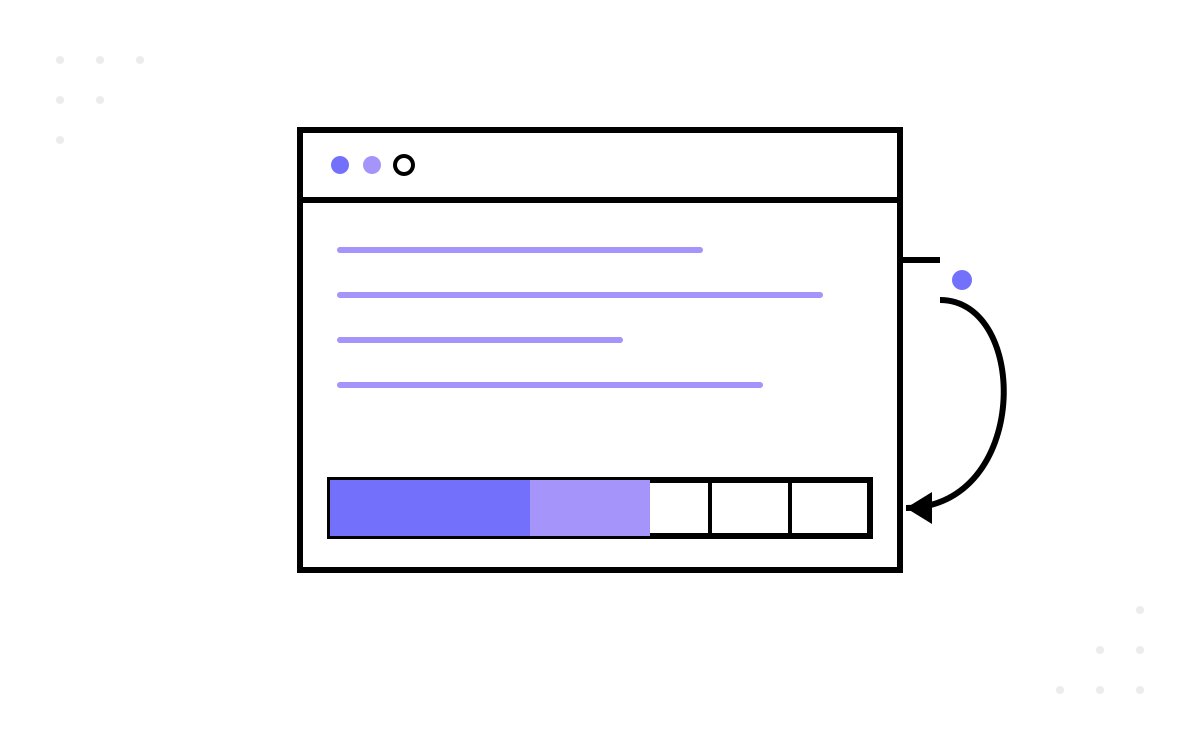
Every confusing statusline behaviour is a lesson about the harness underneath - the token arithmetic that refuses to match, the 300ms debounce, the five-second timeout, and the escape codes that fight back.
Newest first, grouped by year. Search or filter by topic.
Every confusing statusline behaviour is a lesson about the harness underneath - the token arithmetic that refuses to match, the 300ms debounce, the five-second timeout, and the escape codes that fight back.
The first exercise I give anyone learning to direct coding agents has no prompt in it at all - it is a status bar. Why sixty lines of PowerShell teach context and harness thinking better than any lecture about either.
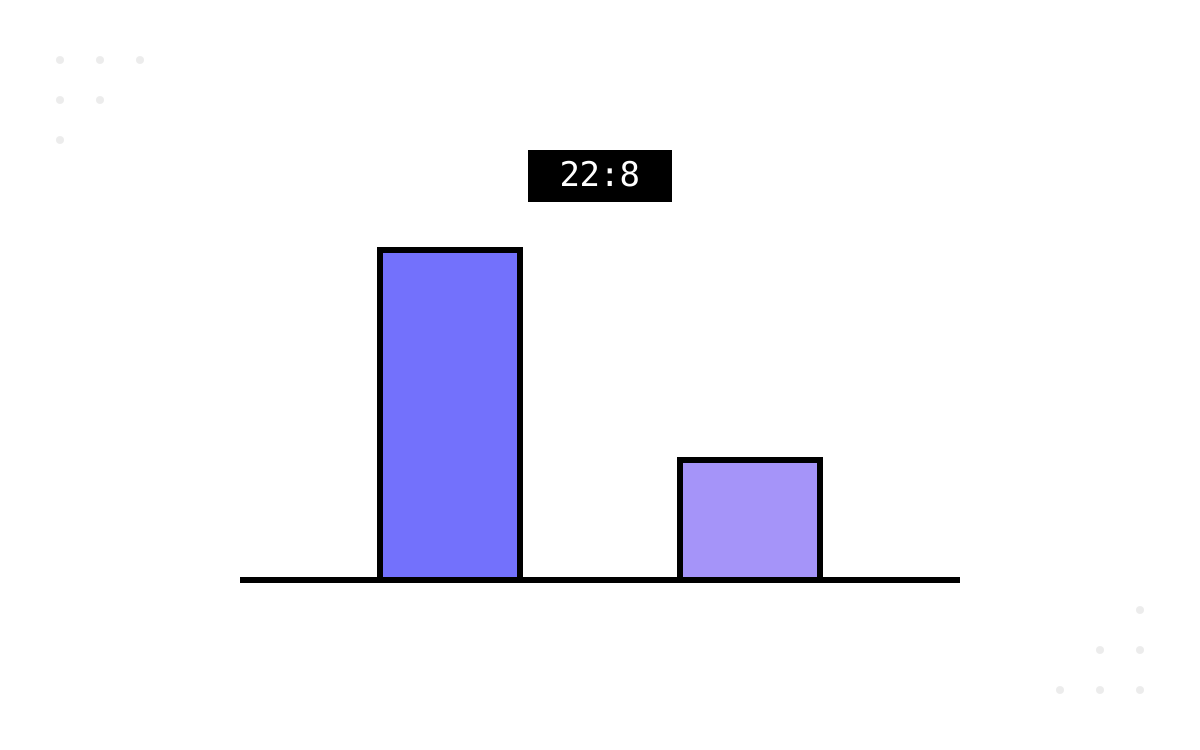
The four core disciplines of my AI engineering framework and the argument behind their weights - why the prompt sits at the bottom of the stack at 8 points, why the specification sits at the apex at 22, and the sentence in my own document that its own table contradicts.
The honest retrospective this series owes its readers - the thesis I believe but cannot cite, the threshold that is really one team's habit, the discipline with no how-to, the figures that will age, and the work you should not hand to an agent at all.
The workflow that turns one long degrading session into three small clean ones - what each phase produces, why the artefacts matter more than the phases, and how much ceremony a task actually deserves.
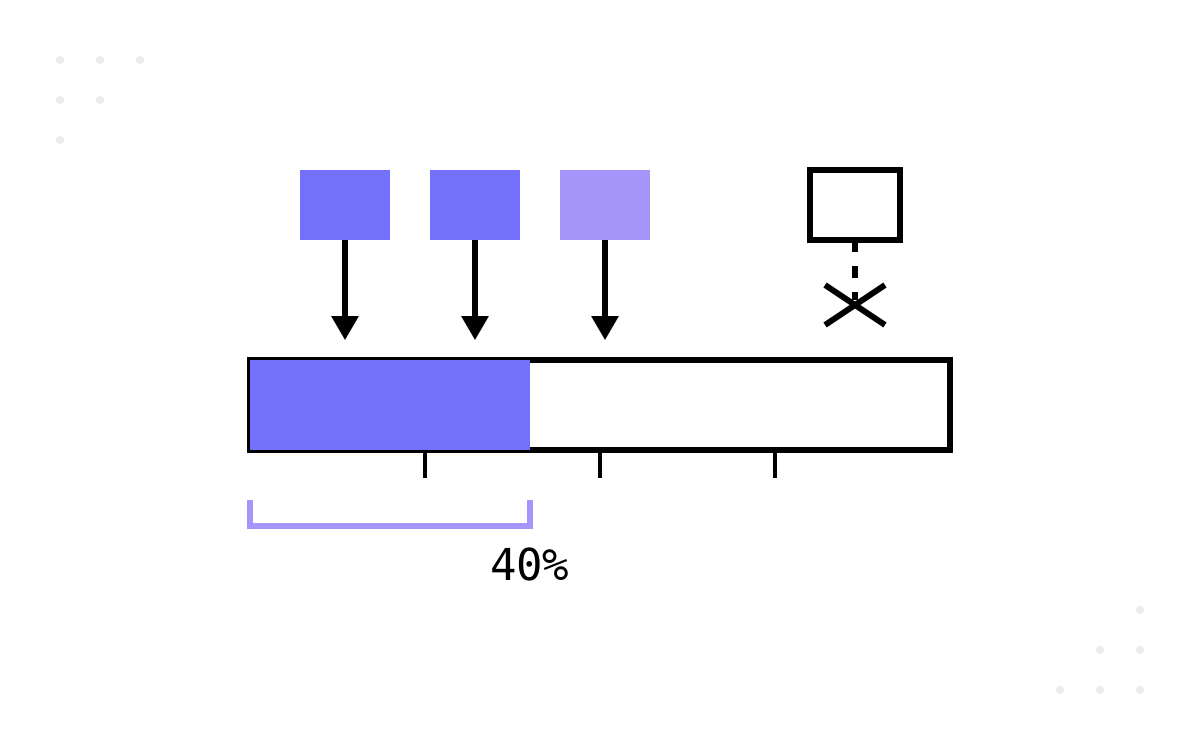
Context windows degrade before they fill - the evidence for context rot, one team's 40% working rule, and the three ways a window turns toxic long before it runs out of room.
Write and select decide what enters the context window - compress and isolate decide what survives inside it, from intentional compaction to sub-agents and the file system as the agent's real memory.
LangChain's four-pillar taxonomy gives context engineering its working vocabulary - this part walks the first two pillars in depth, authoring what the agent wakes up knowing and choosing what a task actually needs.
Everything that looks like memory in an agent is tokens being written back into the window - the mental model beneath all of context engineering, and the week in June 2025 when the discipline got its name.
The prompt is the smallest and least durable artefact in the whole agent system - why the original skill of the AI era stopped being the differentiator, and what good prompt craft still buys you every single day.
Between late 2025 and early 2026 coding agents stopped pausing to ask questions - this series opener maps the five-discipline stack I now use to direct them, from table-stakes prompting to specification engineering.