A Framework Instead of Twenty-Four Packages
Trill's saga microservice references twenty-four third-party packages; the same saga as a module references one - because the monolith deleted Convey and rewrote 4,600 lines of it by hand.
Newest first, grouped by year. Search or filter by topic.
Trill's saga microservice references twenty-four third-party packages; the same saga as a module references one - because the monolith deleted Convey and rewrote 4,600 lines of it by hand.
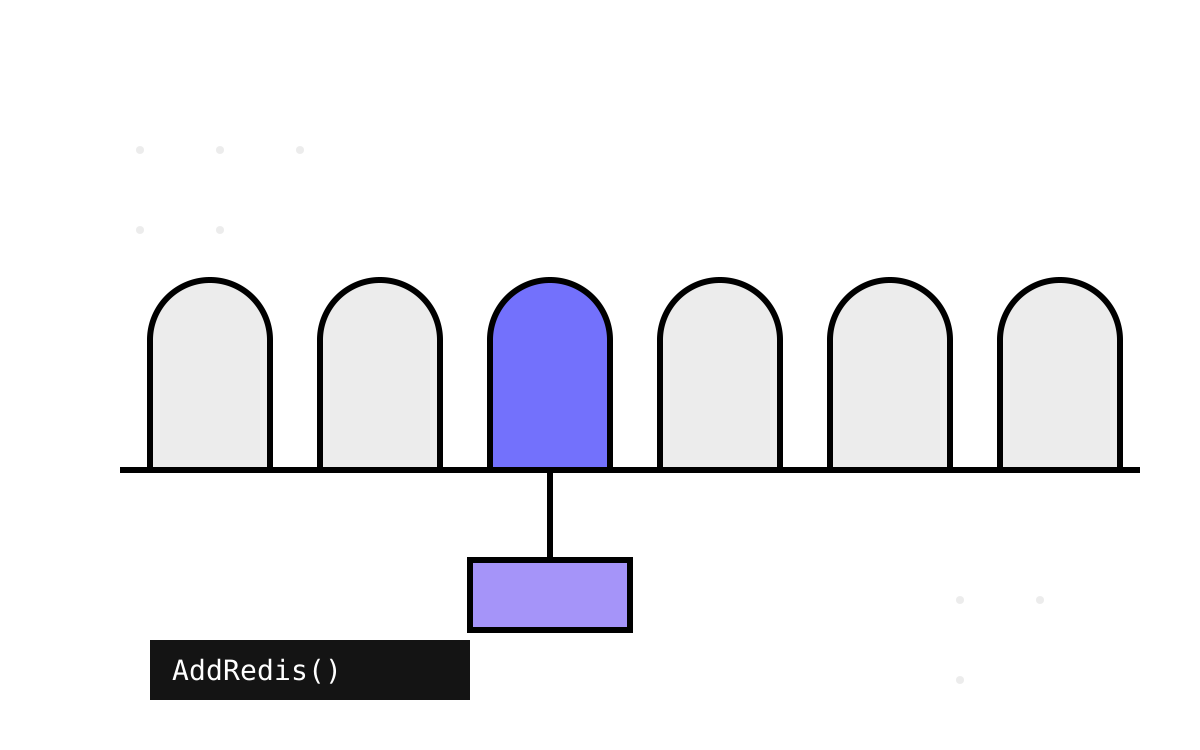
Redis registered in nine services and read in one, discovery stacks in services that never call anyone, an outbox package referenced but never wired, and versions that float by construction - an inventory of everything Pacco wires up and never uses.
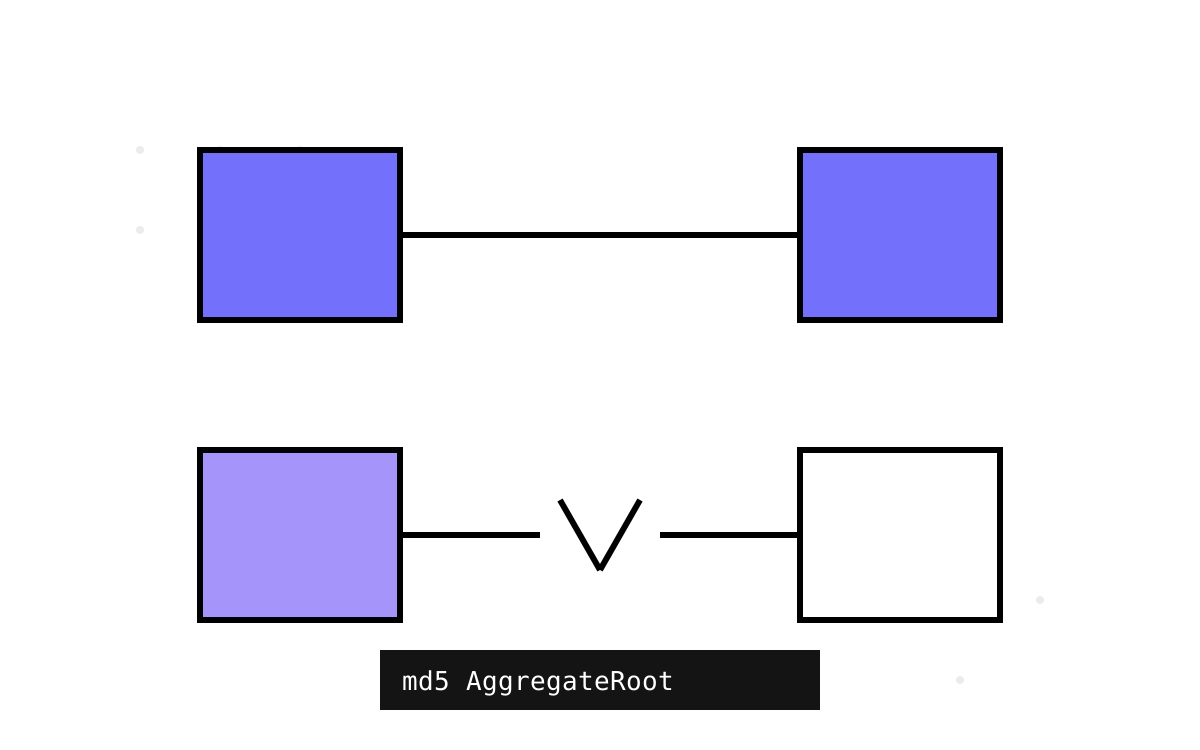
The retrospective, with the ledger totalled - seven byte-identical MessageBrokers, one AggregateRoot with three meanings, what Convey genuinely optimises, where a Convey.Bootstrap meta-layer should have stood, and what a consumer should copy from this estate.
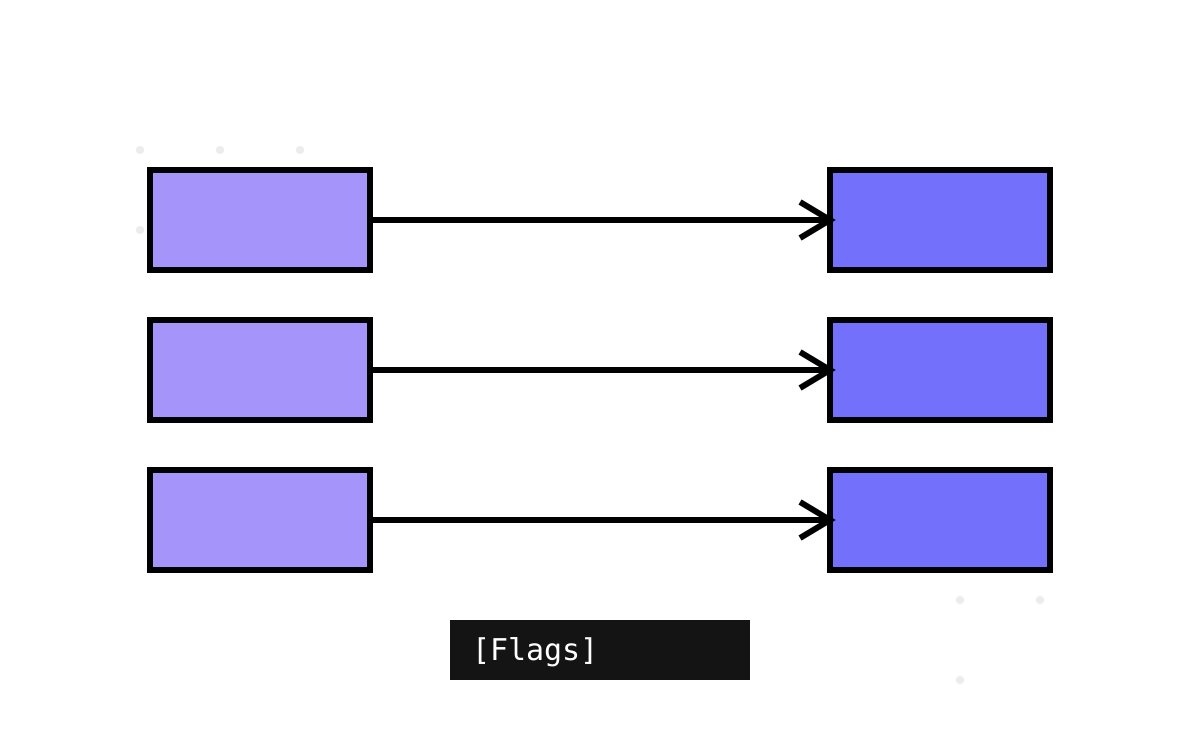
A refactoring.guru walk through Pacco's real lines - a flags-enum search that can never match, twin guards, a dead password check, mappers that return null, and an Id that is never assigned - each smell named and each paired with the technique that cures it.
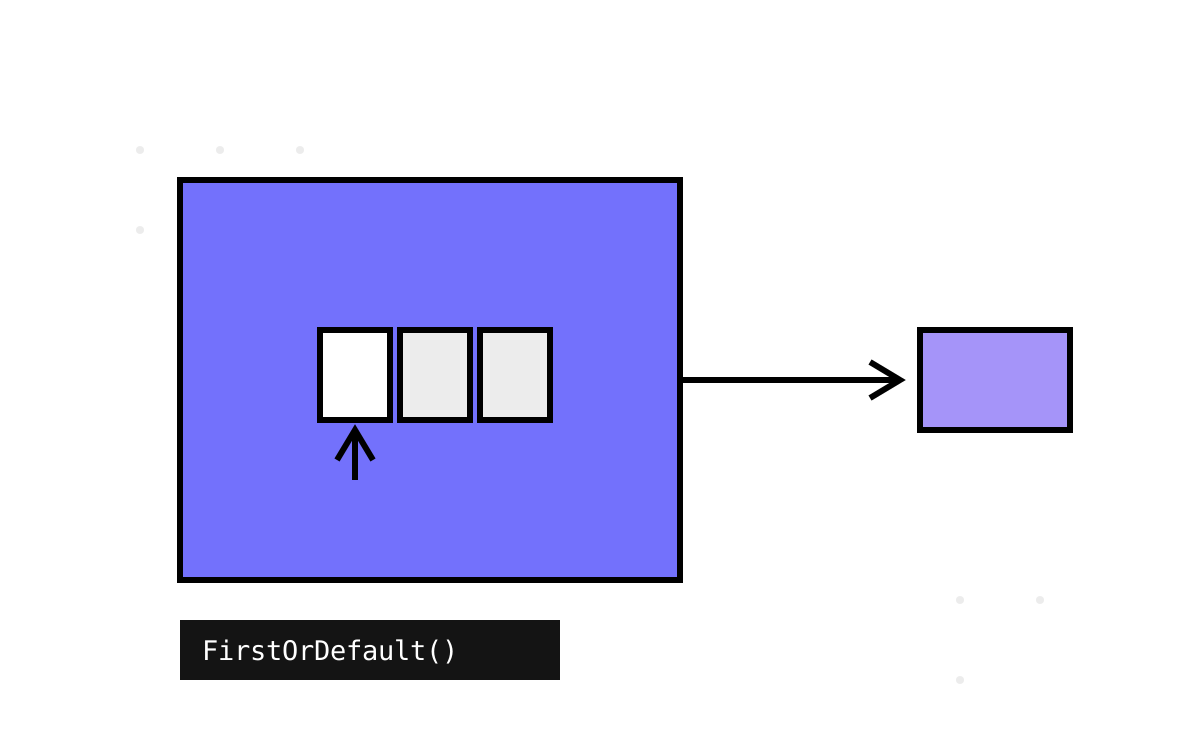
The self-styled uber AI order maker resolves to FirstOrDefault behind an in-source confession, and its reservation heuristic structurally out-bids every earlier booking - the estate's data-science audit, written up as the short honest piece its eleven lines deserve.
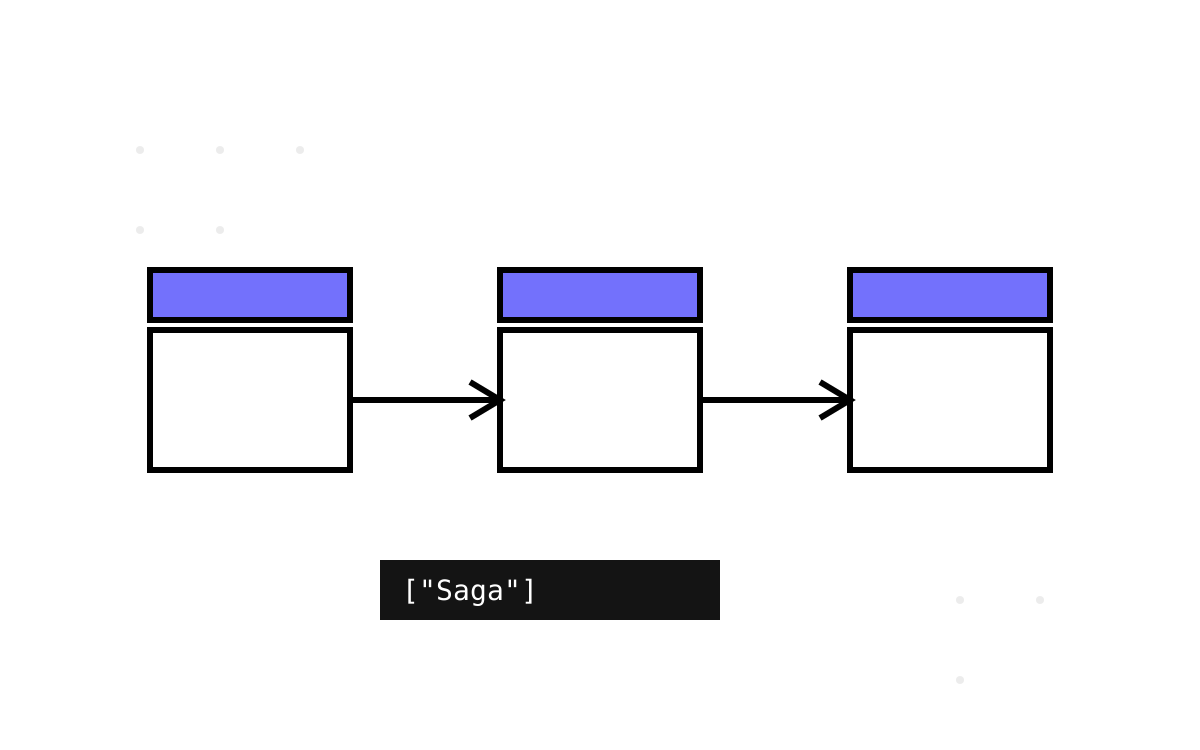
OrderMaker drives a whole order through a Chronicle saga and reports its progress in a single RabbitMQ header - stamped on every publish, forwarded by seven copied MessageBrokers, read back by Operations, and backed by a saga store that forgets everything on restart.
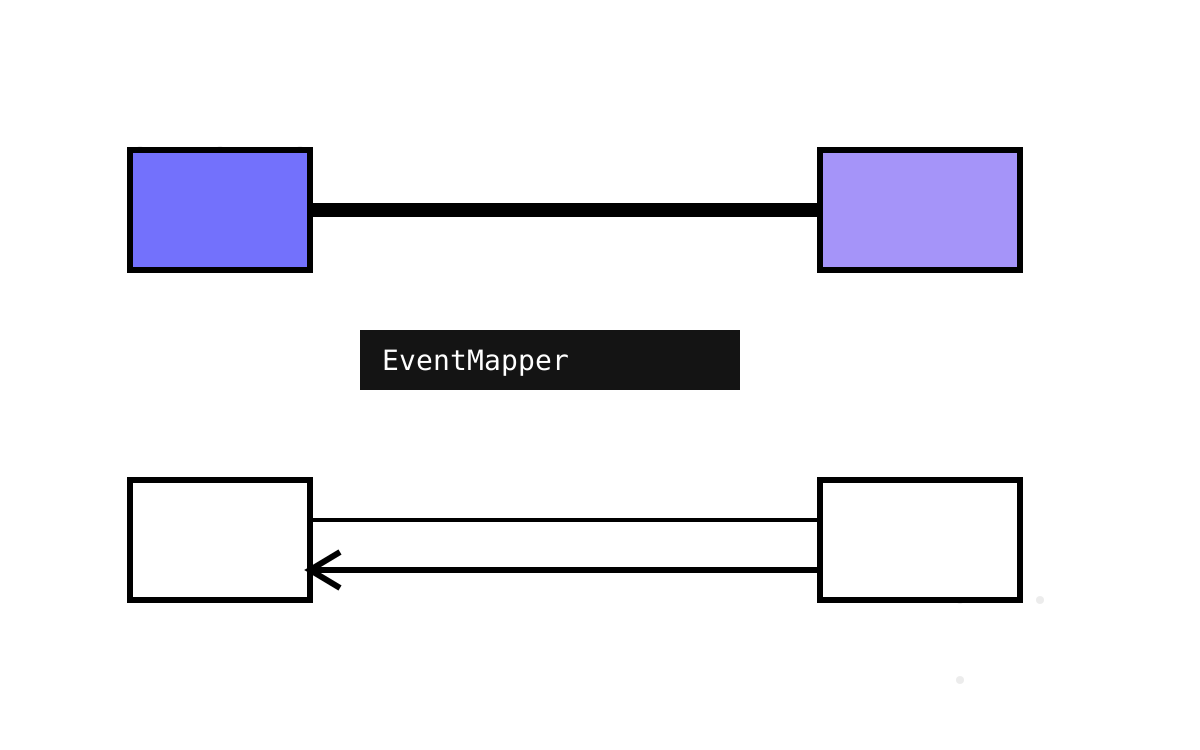
Deliveries maps domain events into integration events that carry facts while Vehicles publishes bare ids straight from its handlers - two event philosophies in one estate, and a vehicle-to-resource mirror that syncs deletes but never creates.
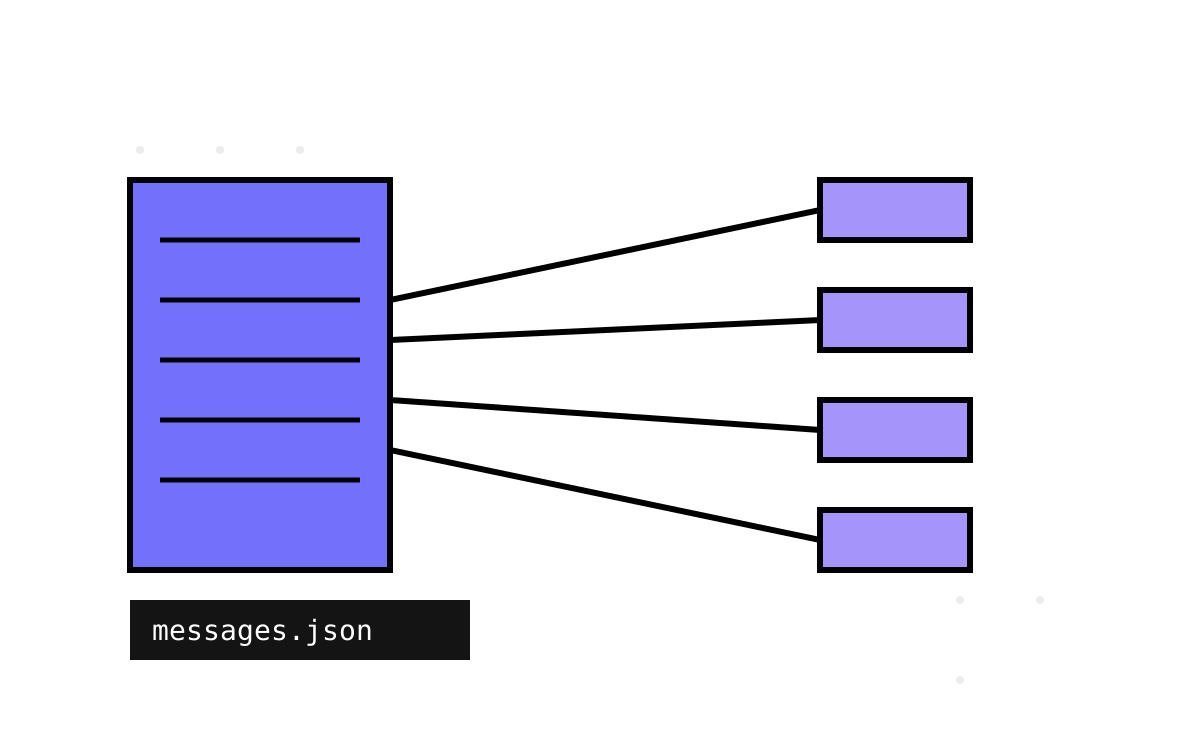
Operations subscribes to eighty estate messages from one hand-maintained JSON file - a shadow copy of every contract in the system that nothing validates, with ghost entries nobody publishes and real rejections it never lists.
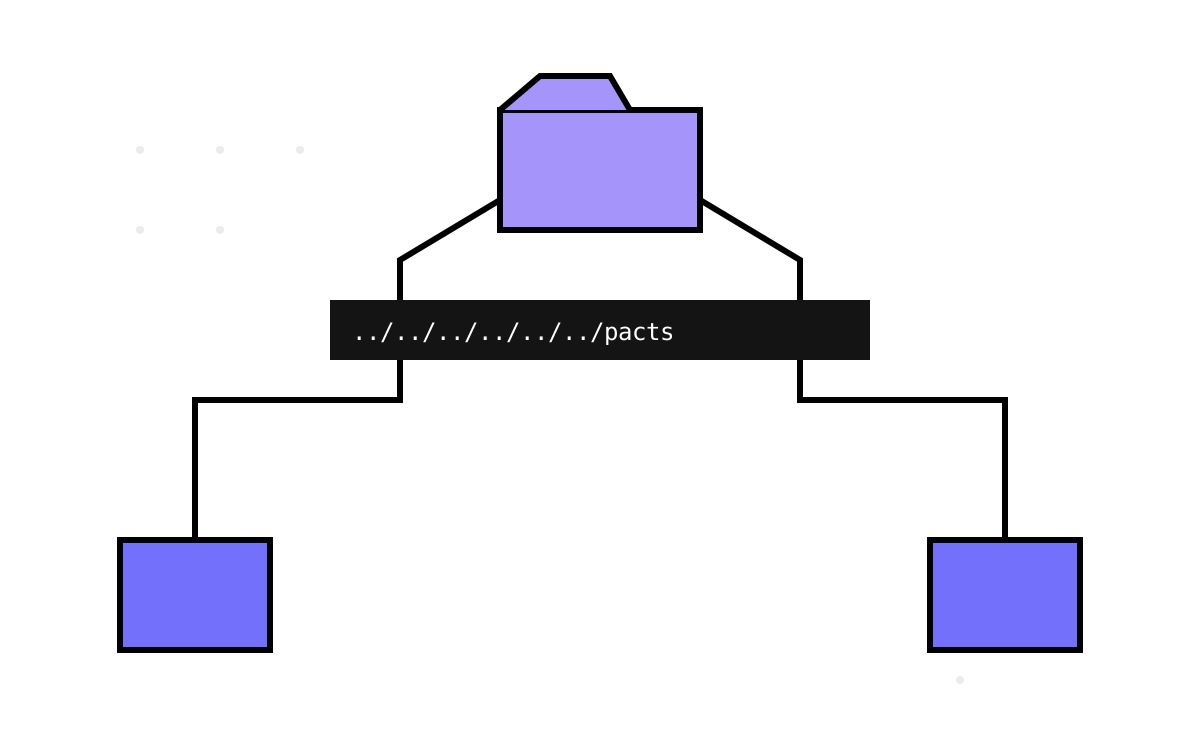
Orders and Parcels keep the estate's only cross-service contract honest with Pactify - a pact written to a relative path six directories above the repository, verified against a seeded Huge Weapon, and checked for shape only. Consumer-driven contracts with no broker, read from source.
Nine Pacco repositories run dotnet test against zero test projects and stay vacuously green, while the one repo with a real unit-integration-e2e-performance pyramid is the only one whose Travis config omits the test step.
The fair part of the ledger - how UseDispatcherEndpoints, self-identifying commands, afterDispatch hooks and snake_case conventions let every Pacco service put its whole HTTP surface in one readable file.
Pacco models aggregates-per-document honestly across ten Mongo databases, and then creates exactly one index in the whole estate - fire-and-forget, in a scope that has already been disposed - while natural-key scans sit on the message hot path.
MessageBroker.cs exists in seven Pacco repositories and hashes identically once you substitute the service name - this part inventories the copied glue, finds the double registrations hiding in seventeen-call chains, and weighs copy-paste against a shared kernel.
Convey sells a microservice in thirty lines, and Pacco builds ten of them - this series reads the whole estate to price what the framework compresses and what every consumer pays for by hand. Part 1 of The Convey Consumer Tax.
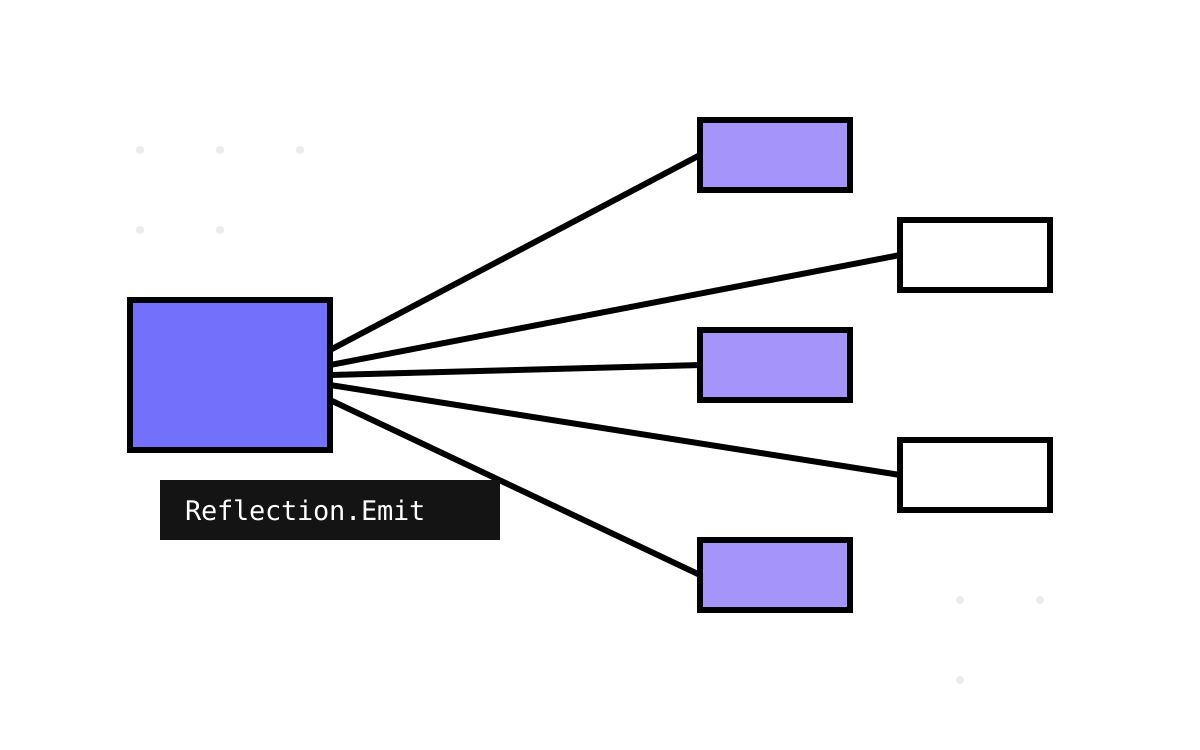
Pacco's Operations service listens to all eighty messages in the estate while owning zero contract classes - it reads a JSON registry and forges the CLR types at runtime with Reflection.Emit. The estate's answer to the shared-contracts problem, and the drift it cannot see.
A retrospective on DShop.Common - the frozen shared-contracts tombstone, a release candidate pinned forever, and a concordance of what Convey kept, renamed, and fixed.
Convey did not appear from nowhere and it does not stand alone. DShop, Pacco, Ntrada, Chronicle, Pactify — the DevMentors constellation the toolkit grew out of and feeds into, which repo to study for what, and the close of both series.
There is no dotnet new template and no CLI — Convey's onboarding is docs, samples and source. Reading the repo-of-repos layout and its packing scripts, then walking the actual path: build your first service from an empty project, one config section at a time.
Twenty-two parts of source reading and not one about tests. How Convey's design choices land on your test suite: handlers that fake beautifully, an exposed host builder for integration tests, config flags as test infrastructure, and conventions that deserve a pin.
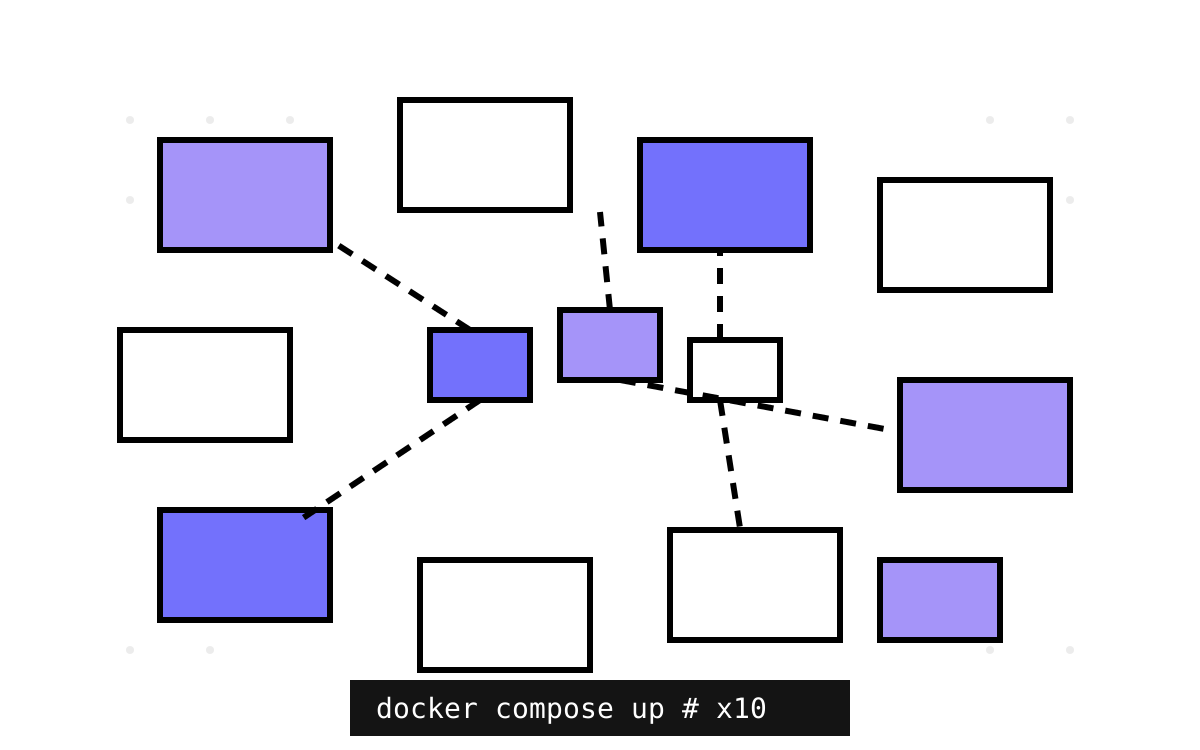
Three toy services, ten infrastructure containers. Reading Convey's docker-compose stack as the honest bill of the chassis: what each container is for, which volumes actually persist, the per-OS variants, and what I would cut in 2026.
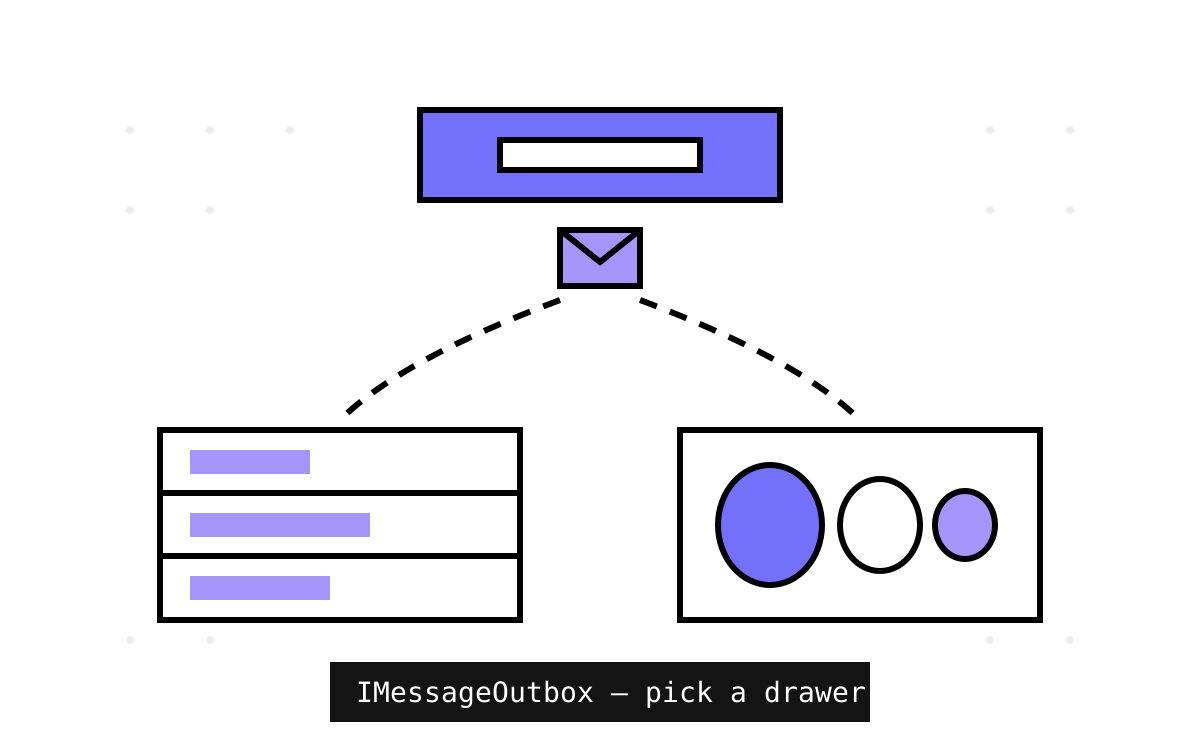
The parent series covered the outbox pattern; it never compared the implementations. Entity Framework gets a real transaction, Mongo gets sessions you can switch off, expiry is three different mechanisms — and the processor that drains them all is a fire-and-forget timer.
Convey's real manifest is not Program.cs — it is the config file. Reading the Orders sample's appsettings.json as a single artifact: the section-per-package convention, the fleet of enabled:false switches, and what the defaults quietly tell you about production.
Convey.Persistence.OpenStack.OCS is the package the whole first series skipped — a hand-rolled Swift object-storage client with Keystone auth, an operation-result pattern, a server-side COPY verb, and a re-authentication habit worth learning from.
The 22-part Convey series read the packages; it never once walked the sample system that ships with them. Opening the missing chapters with the trip an order takes through Orders, Pricing and Deliveries — and what the samples quietly teach that no package README does.
How Convey stitched one Jaeger trace across HTTP, a command handler and a RabbitMQ hop years before OpenTelemetry - and the six-line catch block in its tracing plugin that can silently eat your failures.